Why didn’t Microsoft die?

Microsoft tops $60 billion in annual earnings for the first time to cap record-breaking year

https://www.marketwatch.com/story/m...-cap-another-record-breaking-year-11627416653

Microsoft Corp. finished yet another record-breaking year with more than $60 billion in profit and $165 billion in sales, showing why it has become only the second $2 trillion company in U.S. stock market history, and shares turned around after it projected more growth.
 
Well done Microsoft, you’ve made me hate Windows 11 with your pushy ads
By Matt Hanson published about 12 hours ago
https://www.techradar.com/computing...e-made-me-hate-windows-11-with-your-pushy-ads

Windows 11 is a mid operating system with pushy ads
VkvE6eNH75xit53BmwXpB7-320-80.jpg

(Image credit: TeodorLazarev / Shutterstock)

I’ve been using Windows operating systems (amongst others) since Windows 3.1, and while there have been highs (Windows 95, Windows 7), there’s also been quite a few lows (Windows 8, Windows ME) – I’ve never truly hated a version… until now.

Windows 11, the latest version, started off pretty well. OK, so I wasn’t entirely sure why we needed Windows 11 when Windows 10 seemed perfectly fine (and Microsoft had kept saying it would be the last version of Windows you need), but it was reasonably solid, and a few tweaks, such as the centralized taskbar, grew on me.

bug-riddled updates with Windows 10, so when the opportunity to upgrade to Windows 11 for free came about – I gladly jumped ship.

Of course, that free upgrade should have been the first red flag. Nothing is ever free, especially with big corporations like Microsoft.

However, over time, Microsoft has made me regret upgrading to Windows 11.
Thanks, I hate it
The first seeds of discontent were sown when I saw the new Start menu – and the amount of pre-installed apps Windows 11 now comes with. If you’ve ever bought a new laptop or PC, you’ll probably be aware of bloatware – unwanted software that comes preinstalled and ends up clogging up your hard drive (OK, that was more of an issue when we had smaller hard drives).

Device manufacturers get paid to include those apps, which then allows them to sell their products at lower prices without cutting into their margins. Annoying, but understandable. However, as I usually build my own PCs, I’m used to doing fresh installs of Windows, which should usually mean my devices are free from unwanted apps.

However, Microsoft has included several apps when you first install Windows 11, and is likely to make a bit of cash considering it's offering Windows 11 for ‘free’. It’s not the end of the world, and doesn’t take up the kind of resources that might have been an issue when our PCs were more modest, but it’ll tick off people (like me) who want control over what’s installed on their devices. It was also a hint at how even if it gives you Windows 11 for free, Microsoft will make you pay for it.

The Start menu experience in Windows 11 has also deteriorated, with Microsoft managing to annoy almost every one by putting in adverts for its services amongst the apps you’ve installed. It even bugged me to use OneDrive, though I already use it!

To make matters worse, while Microsoft was adding more pushy ads for its products in the Windows 11 Start menu, it wasn’t as keen to add features that users have been crying out for – many of which were present in older versions, but dropped for Windows 11.
Installation blues
To be fair, I probably got further than some people before the Windows 11 doubts kicked in. Microsoft also updated the setup screens that appear when Windows 11 is installed, and it’s there that the heavy selling begins – though this time for Microsoft’s other devices and services.

This didn’t initially bother me that much, as I use Microsoft Office and subscribe to OneDrive for cloud storage, so setting up those as part of the installation made sense – but I can totally understand how they could frustrate other people.

However, Microsoft has been pushing its luck here as well. Since I’ve installed Windows 11, Microsoft has made it increasingly difficult to set up a fresh Windows 11 install without having a Microsoft account.

The setup screens also now appear after some major Windows 11 updates, and I’ve found that they’ve added in a sly option that changes your default web browser to Edge, which you have to untick if you want to keep your choice of browser.
Eff off Edge
Microsoft’s ambition to get more people to use its Edge web browser is well known by now – but it's recently been crossing a line. As well as trying to get people to set it as the default web browser after major updates have been installed, it’ll bug you with messages and pop-ups if you have the temerity to want to use a different web browser, such as Google Chrome.

Like many people, the first and last time I use Edge is to go to Google’s website and download Chrome – and Microsoft knows this, throwing up begging messages to give Edge a chance. It’s a bit unedifying.

Even when choosing a different web browser as your default, Microsoft just doesn’t take no for an answer. If you use the Search bar in Windows 11 (which I have issues with anyway, as I don’t think it works well) and click on a web link, it’ll open up in Edge, regardless of the web browser you’ve set as default.

This happens throughout Windows 11, and it’s extremely annoying. If I want to use Chrome for viewing websites, then that’s what I want to open up – no exceptions. It feels like Microsoft thinks it knows better by opening some links in Edge.

There’s been a bit of reprieve for some people from this behavior, with the European Economic Area (EEA) forcing Microsoft to accept its users’ browser preferences. ‘Forced’ is the operative word here, as it’s clear that Microsoft hasn’t done this because it’s the user-friendly thing to do. Instead, users in the EEA will have links from within Windows 11 open in their actual default browser, but people in the rest of the world will likely still have Edge pushed on them.

Even worse, Microsoft recently started pushing out large pop-up adverts to people using Chrome, asking them to switch the default search engine within Chrome from Google to Microsoft’s rival Bing search engine.

This happened to me, and, frankly, that was the last straw. It was invasive, taking up a large part of my screen, and downright creepy, as it showed Microsoft was keeping tabs on what I was using in various apps.

It felt like a huge overreach – and I wasn’t alone in reacting like that, as many users took to the internet to complain about these pop-ups, with some experiencing them while playing games or watching full-screen movies. The backlash was large enough to make Microsoft pause the adverts, but the damage had been done.

Windows 11, to me, no longer feels like an operating system that I have control over. Instead, it seems like I’m renting it from Microsoft, which gives the company the right to bombard me with adverts.

Lost cause
So, where can I go? Reinstalling Windows 10 is an option, but there’s plenty of evidence out there that suggests Microsoft will continue to bug me – especially when it comes to upgrading (again) to Windows 11.

Linux is looking increasingly attractive. I’ve used plenty of distros in the past (in a former life I was deputy editor of Linux Format, after all), and thanks to the Steam Deck (which runs a version of Linux), and a clever bit of software called Proton, I can run Windows games in Linux with minimal impact to performance.

It’s not perfect, but as a PC gamer, the main reason I’ve stuck with Windows 11 is because of the PC games – and if Linux will allow me to play those games, it looks like Microsoft may have finally pushed its luck too far.

 
I've been using Google until a couple of weeks working on a project that required me to use MS. At first I bought their basic online suite (365) but quickly learned that I needed functionalities that were only available at the next fee level. Then I realized I couldn't buy a permanent license, only an annual one.
Through my searches I eventually received an email from a company selling a legal downloadable Office Pro license and went with that.
But I too am appalled by the never ending pinging to upgrade to 365 cloud every time I open any MS app. It's ridiculous. And their annual license is crazy expensive considering I bought this permanent license for less than the annual one
 
I use win11 and I was pleasantly surprised - expected a big step down from Win7 but it’s pretty much the same, with some nice features, apart from a few annoyances (eg I had to install a third-party program to get the old start menu back).

I ended up getting the business edition, which lets you disable nearly 100% of the bloatware and unwanted features through the group policy editor.
 
Like others have mentioned, accepting that software we used to acquire by paying only once must now be "rented" using the new pay-every-year subscription models has been difficult.

I'm a heavy user of Word, Excel and Powerpoint. When I bought a new home PC earlier this year I really did not want to accept the subscription model and pay every year for Office. I searched around and found that one could buy something called Office Home & Student 2021 for a one-time payment. I bought it and even though it's older it has worked fine on the new computer so far.

Hoping I don't discover next year that it is incompatible with one of the new OS updates... thinking that if it lasts 4 or 5 years or so it will have been worth it.
 
Like others have mentioned, accepting that software we used to acquire by paying only once must now be "rented" using the new pay-every-year subscription models has been difficult.

I'm a heavy user of Word, Excel and Powerpoint. When I bought a new home PC earlier this year I really did not want to accept the subscription model and pay every year for Office. I searched around and found that one could buy something called Office Home & Student 2021 for a one-time payment. I bought it and even though it's older it has worked fine on the new computer so far.

Hoping I don't discover next year that it is incompatible with one of the new OS updates... thinking that if it lasts 4 or 5 years or so it will have been worth it.

I am still using office 2003 version-:)
 
Why didn’t Microsoft die?
By Shira Ovide July 23, 2021

For a decade or so, Microsoft botched so many significant technology trends that the company became a punchline. But Microsoft more than survived its epic mistakes. Today, it is (again) one of the tech world’s superstars.

Microsoft’s ability to thrive despite doing almost everything wrong might be a heartening saga about corporate reinvention. Or it may be a distressing demonstration of how monopolies are extremely hard to kill. Or maybe it’s a little of both.

Understanding Microsoft’s staying power is relevant when considering an important current question: Are today’s Big Tech superstars successful and popular because they’re the best at what they do, or because they’ve become so powerful that they can coast on past successes?

5bd81899e8e4c2f8d09fceb0726e44662378bfe2

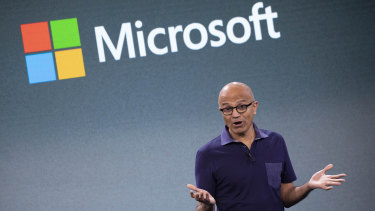
Microsoft CEO Satya Nadella steered the software giant out of its funk after taking charge in 2014.Credit:AP

Ultimately, the angst about Big Tech in 2021 — the antitrust lawsuits, the proposed new laws and the shouting — boils down to a debate about whether the hallmark of our digital lives is a dynamism that drives progress, or whether we actually have dynasties. And what I’m asking is, which one was Microsoft?

Let me go back to Microsoft’s dark days, which arguably stretched from the mid-2000s to 2014. They were weirdly not that bad. Yes, Microsoft was so uncool that the company was roasted in Apple television ads and many people in the tech industry wanted nothing to do with it. The company failed to make a popular search engine, tried in vain to compete with Google in digital advertising and had little success selling its own smartphone operating systems or devices.

Microsoft’s ability to thrive despite doing almost everything wrong might be a heartening saga about corporate reinvention. Or it may be a distressing demonstration of how monopolies are extremely hard to kill.

And yet, even in the saddest years at Microsoft, the company made oodles of money. In 2013, the year that Steve Ballmer was semi-pushed to retire as CEO, the company generated far more profit before taxes and some other costs — more than $US27 billion — than Amazon did in 2020.

No matter how much Microsoft’s software might have stunk — and a lot of it did — many businesses still needed to buy Windows computers, Microsoft’s email and document software and its technology to run powerful back-end computers called servers. Microsoft used those much-needed products as leverage to branch into new and profitable business lines, including software that replaced conventional corporate telephone systems, databases and file-storage systems.

Microsoft wasn’t always good in those years, but it did pretty well. And more recently, Microsoft shifted from treading water to being both financially successful and relevant in cutting-edge technologies. So was this turnaround a healthy sign or a discouraging one?

On the healthy side of the ledger, Microsoft did at least one big thing right: cloud computing, which is one of the most important technologies of the past 15 years. That and a culture change were the foundations that morphed Microsoft from winning despite its strategy and products to winning because of them. This is the kind of corporate turnaround that we should want.

I’ll also say that Microsoft is different from its Big Tech peers in a way that might have made it more resilient. Businesses, not individuals, are Microsoft’s customers and technology sold to organisations doesn’t necessarily need to be good to win.

And now the discouraging explanation: What if the lesson from Microsoft is that a fading star can leverage its size, savvy marketing and pull with customers to stay successful even if it makes meh products, loses its grip on new technologies and is plagued by flabby bureaucracy? Was Microsoft so big and powerful that it was invincible, at least long enough to come up with its next act? And are today’s Facebook or Google comparable to a 2013 Microsoft — so entrenched that they can thrive even if they’re not the best?

I don’t have definitive answers, and size and power don’t guarantee that a company can weather many mistakes and stay relevant. But a lot of the drama and fighting about technology in 2021 hinge on those questions.

Maybe Google search, Amazon shopping and Facebook’s ads are incredibly great. Or maybe we simply can’t imagine better alternatives because powerful companies don’t need to be great to keep winning.

The New York Times

The article is correct. Miscrosoft is very good buying & integrating tech companies. They are a holding company for software. They are similar to Seagate & Western Digital which are the last survivors of a very crucial part of tech hardware -- HDDs & SSDs.

They exist because purchasing managers at companies are too lazy to integrate new technology so they would rather just wait for Microsoft to roll it along later. Microsoft is the new IBM -- "You can't get fired for buying Big Blue."

I worked in PharmaIT from 1992 until 2011 and the amount of people in our IT department that wanted to veer away from Microsoft web tools was zero even though Apache was far superior to IIS which was a really crappy product.

There was a legitimate competitor to Windows98 and it was made by IBM but it never really caught on -- OS/2. Its main benefits were really for powerusers. It adapted some of the features mainly available in server OSes like multiple queues, creating multiple versions of files, etc. a lot of which were lifted from the VAX/VMS OS made by Digital Equipment Corporation.
 
Back
Top