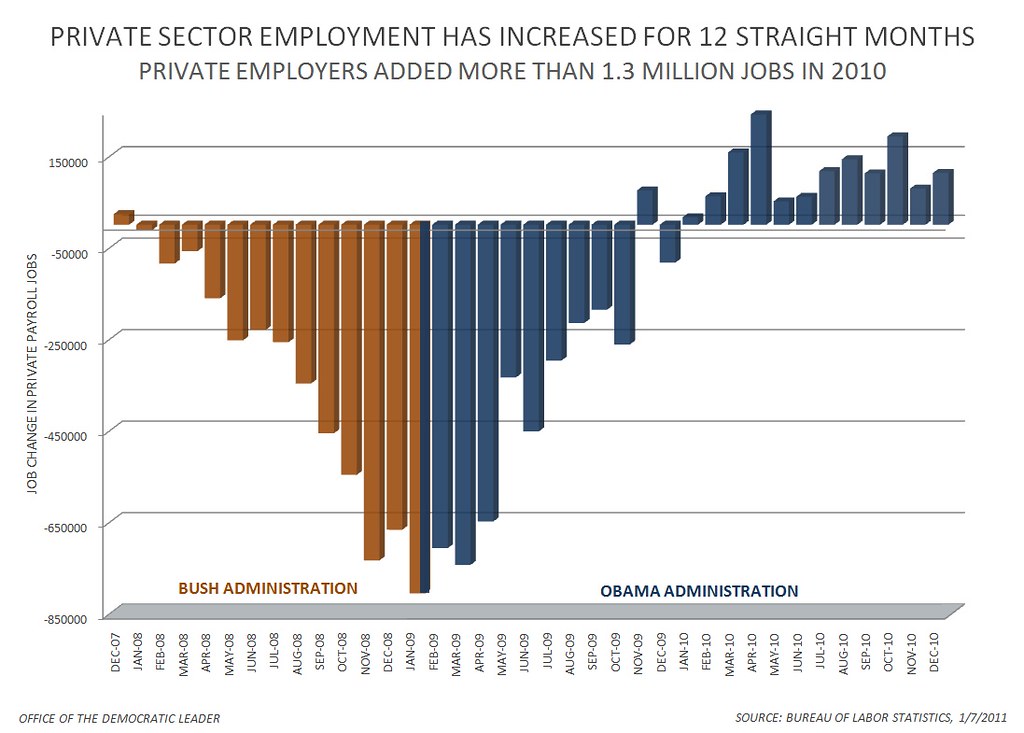
The only other downturn since the Depression to see similarly large wage cuts was the 1981-82 recession. But the latest downturn is already eclipsing that one. Unemployment has stood above 9% for 20 straight monthsâlonger than the early 1980s stretchâand is likely to remain above that level for most of 2011, putting downward pressure on wages.
Many laid-off workers who have found new jobs are taking pay cuts or settling for part-time work when they get new ones, sometimes taking jobs far below their skill levels.
Economists had wondered how far this dynamic would go in this recession, and now the numbers are starting to show it: Between 2007 and 2009, more than half the full-time workers who lost jobs that they had held for at least three years and then found new full-time work by early last year reported wage declines, according to the Labor Department. Thirty-six percent reported the new job paid at least 20% less than the one they lost.
The severity of the latest downturn makes it likely that many of the unemployed who get rehired will take wage cuts, and that it will be years, if ever, before many of their wages return to pre-recession levels, says Columbia University labor economist Till von Wachter. âThe deeper the recession, the lower the wage youâre going to get in the next job and the lower the quality of your next job,â he says.