
It's official big Pete is on island and he has with him a " portable air conditioner "
This man does not travel small-- must find him.
Is the ice cube one of mans ten great inventions? YES.
The first marketed soft drinks appeared in the 17th century asa mixture of water and lemon juice sweetened with honey. In 1676 the Compagnie de Limonadiers was formed in Paris and granted a monopoly for the sale of its products. Vendors carried tanks on their backs from which they dispensed cups of lemonade.
Who invented cool drinks?
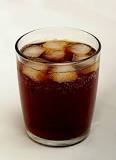
Within a decade of the invention of carbonated water by Joseph Priestley in 1767 inventors in Britain and in Europe had used his concept to produce the drink in greater quantities, with one such inventor, J. J. Schweppe, forming Schweppes in 1783 and selling the world's first bottled soft drink.
(Also in the 19th century, Chilean brewers were using ice from icebergs to refrigerate their beer. By the 1850s, harvesting glacial ice became the go-to method for beer refrigeration. Ships towed icebergs from as far as the South Pole.)
The rest of Europe scoffed at this use of ice to cool drinks, seeing it as “a mark of excessive and effeminate luxury.” (Ice and Refrigeration Illustrated, July 1901, p.6) They went from scoffing to partaking, adding ice to every drink they could.
While ice has remained popular in America, the biggest modern change to its preparation comes from Japan, where there has been a longstanding reverence for ice. That inspired the veneration with which ice is treated in Japanese cocktail culture, in turn influencing a generation of bartenders around the world to start taking ice more seriously.
This is why you’ll see bartenders emulating the likes of famed Japanese mixologist Hidetsugu Ueno, who, at Bar High Five in Tokyo, uses a blade to carve ice into “jewels.” His work and others’ has inspired bartenders around the world to consider ice’s precise shapeandclaritywhen preparing cocktails.
This man does not travel small-- must find him.
Is the ice cube one of mans ten great inventions? YES.
The first marketed soft drinks appeared in the 17th century asa mixture of water and lemon juice sweetened with honey. In 1676 the Compagnie de Limonadiers was formed in Paris and granted a monopoly for the sale of its products. Vendors carried tanks on their backs from which they dispensed cups of lemonade.
Who invented cool drinks?
Within a decade of the invention of carbonated water by Joseph Priestley in 1767 inventors in Britain and in Europe had used his concept to produce the drink in greater quantities, with one such inventor, J. J. Schweppe, forming Schweppes in 1783 and selling the world's first bottled soft drink.
(Also in the 19th century, Chilean brewers were using ice from icebergs to refrigerate their beer. By the 1850s, harvesting glacial ice became the go-to method for beer refrigeration. Ships towed icebergs from as far as the South Pole.)
The rest of Europe scoffed at this use of ice to cool drinks, seeing it as “a mark of excessive and effeminate luxury.” (Ice and Refrigeration Illustrated, July 1901, p.6) They went from scoffing to partaking, adding ice to every drink they could.
While ice has remained popular in America, the biggest modern change to its preparation comes from Japan, where there has been a longstanding reverence for ice. That inspired the veneration with which ice is treated in Japanese cocktail culture, in turn influencing a generation of bartenders around the world to start taking ice more seriously.
This is why you’ll see bartenders emulating the likes of famed Japanese mixologist Hidetsugu Ueno, who, at Bar High Five in Tokyo, uses a blade to carve ice into “jewels.” His work and others’ has inspired bartenders around the world to consider ice’s precise shapeandclaritywhen preparing cocktails.