These Quants are a threat to my very existence.
Roy Niederhoffer is among a number of fund managers profiting from the market volatility this year.
The flagship fund of New York-based R.G. Niederhoffer Capital Management was up 79% as of Nov. 30, according to HSBC’s Hedge Fund monitor. That fund accounts for about 40% of its $1 billion in assets.
Speaking to MarketWatch from a beachside resort, Niederhoffer explained that the fund aims to profit from short-term
“Currencies have had a few opportunities earlier in the year and very recently, but for the most part, it did not fit our ideal environment,” he said.
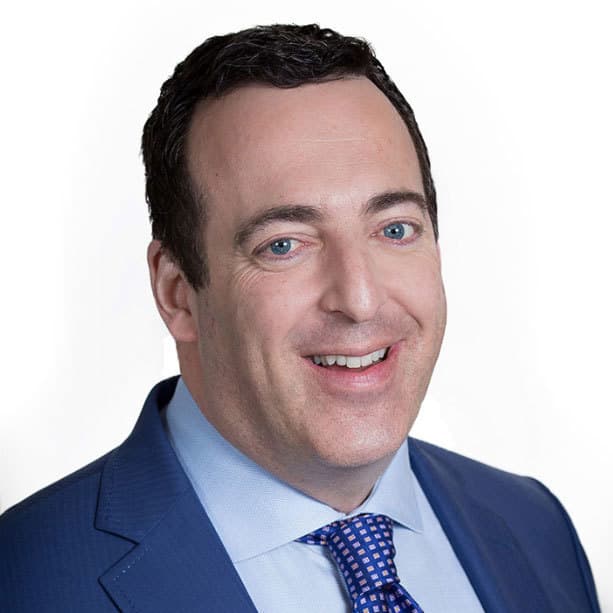
Founder Roy Niederhoffer
R.G. Niederhoffer Capital Management
With 30 years of experience and a degree in computational neuroscience from Harvard University, Niederhoffer says his underlying philosophy is that quantitative methods can predict behavioural biases in the markets.
“The [markets] will be most predictable when they are experiencing high levels of emotion and fear, of course, is the most powerful emotion,” he explained. “This year as markets with fixed income and equities going down together, it’s been extraordinarily scary.”
Through Thursday, the S&P 500
SPX, -1.60% has dropped 19% this year, while the S&P U.S. government bond index has dropped 10%.
“I think it’s given our models an overall environment where they can be unusually accurate because the conditions that they are most accurate in were just prevalent for the entire period,” he added.
Niederhoffer thinks that the efforts of central banks to rein in inflation haven’t been fully seen yet in the equity and fixed income markets.
“The potential rises and falls of equities and fixed income are much less constrained than they’ve ever been before,” he explains. “For investors, what this means is that divergent strategies that can succeed in unprecedented moves to the upside and to the downside, seem like they’re more interesting now than they’ve ever been, without the central banks to stop those moves.”
As a result, Niederhoffer will be re-launching and
renaming the flagship fund as the macro diversified fund in January. The aim is to raise $500 million in 2023.
“You might find it a little incongruous that we are making a little bit of a change to the program after three great years,” he said. In 2021, the fund posted 20% gains and 34% returns the year before.
“We think it’s so important to have this symmetrical convexity, to have a real ability to provide a U-shaped return regardless of whether there’s a big bull market or a big bear market in fixed income and equities, and that’s what we’ve told our clients.
“We want to be there no matter which direction markets go in a big way, not just provide downside protection, but provide upside protection too.”
Q-Maybe $20 grand goes to this new fund and I just give up.