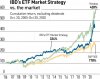
Some Reddit threads have said the results for this strategy are bogus.
But it sounds good. When there are enough distribution days that signify a top, go into cash to avoid the correction.
According to IBD, a bear market is when the SP500 or Nasdaq decline 20% or more.
An interim correction is when one of the 2 indexes declines 5%-15%.
What do you guys think?
This is taken from Investors.com:
"IBD's Market Pulse feature has a long history of recognizing shifts in market direction early on to help investors maximize gains in uptrends and protect their portfolios in downtrends. Now we've developed a simple method for trading market index ETFs based on the market direction posted daily in Market Pulse.
HOW IT WORKS
Buy a market Index ETF (QQQ was used in the study) immediately after a new uptrend is announced in Market Pulse and employ these simple allocation rules:
Market Direction % Invested
Confirmed Uptrend 100%
Uptrend Under Pressure 50%
Market in Correction 0%
But it sounds good. When there are enough distribution days that signify a top, go into cash to avoid the correction.
According to IBD, a bear market is when the SP500 or Nasdaq decline 20% or more.
An interim correction is when one of the 2 indexes declines 5%-15%.
What do you guys think?
This is taken from Investors.com:
"IBD's Market Pulse feature has a long history of recognizing shifts in market direction early on to help investors maximize gains in uptrends and protect their portfolios in downtrends. Now we've developed a simple method for trading market index ETFs based on the market direction posted daily in Market Pulse.
HOW IT WORKS
Buy a market Index ETF (QQQ was used in the study) immediately after a new uptrend is announced in Market Pulse and employ these simple allocation rules:
Market Direction % Invested
Confirmed Uptrend 100%
Uptrend Under Pressure 50%
Market in Correction 0%