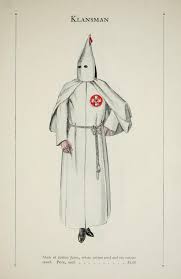
You have post Civil War, Southern Democrats confused with today's Democrats. Those Southern Democrats you associate with the Democratic Party voted with Conservative Republicans once they got to Congress. Those Democrats of a by-gone era are now Republicans! On the other hand, those Black Republicans of the old "Deep South" are now Democrats.Lets go Old School Democrats
View attachment 263717
View attachment 263718
View attachment 263720

View attachment 263719

You are using an out of date browser. It may not display this or other websites correctly.
You should upgrade or use an alternative browser.
You should upgrade or use an alternative browser.
What do you associate with the Democratic Party?
- Thread starter easymon1
- Start date

You know. Just basic stuff for whenever police officer kills a lefty.
No, you’re exaggerating. Come back to reality. In America there are thousands of police shootings every year and maybe a couple of dozen rise to a high level of scrutiny because the circumstances may be egregious. The shooting of Ms. Babbit does not rise to that level.
Democracy
Education
Stronger Economy/ Greater Opportunity and Participation
Less Regulatory Capture
Less Corruption
Civil Rights/ Civil liberty
Stronger Social Safety Net
Social Security
Medicare
Environmental Protection
Workers Rights
Over Regulation
Inefficiency
You could always be more efficient but good points.
No, you’re exaggerating. Come back to reality. In America there are thousands of police shootings every year and maybe a couple of dozen rise to a high level of scrutiny because the circumstances may be egregious. The shooting of Ms. Babbit does not rise to that level.
I see. Lefties tell us that the "insurrection" is the most serious event since the Civil War.
But according to you, it "does not rise to the level" of requiring scrutiny. Even though a commission or committee has been appointed to investigate this high level event.
Pretty convenient line of thinking you got going there.
Following the script, one page at a time. It's what you do.
Jonestown.
I see. Lefties tell us that the "insurrection" is the most serious event since the Civil War.
But according to you, it "does not rise to the level" of requiring scrutiny. Even though a commission or committee has been appointed to investigate this high level event.
Pretty convenient line of thinking you got going there.
Following the script, one page at a time. It's what you do.
Jonestown.
You are just embarrassing yourself now.
It's important to recognize that the Dixiecrats , though they ran as "Democrats," voted with the Republicans on substantive issues. And this was not just in the Senate, it was in both Houses. They were, in effect, Republicans dressed up in donkey uniforms. Those few that didn't switch parties didn't "die out", rather they eventually got defeated at the polls, as more and more White Southerners switched parties. I'll submit Mississippi's Gene Taylor as an example of what I am referring to. Taylor ran for the U.S. House and was elected multiple times as a "Democrat" but nevertheless had a virtually 100% Republican voting record on substantive matters. He didn't switch parties. Although he was a Republican in every respect, except for the label he adopted, he was defeated when he was opposed by Steven Palazzo running under the Republican Banner in 2010. Taylor later did switch parties, but it was too late to resuscitate his political career....
All I am saying is that very few of the the racist southern democrats switched to republican...It took a new generation of people to save the south
Lyndon wasn't giving up much when he said he had handed the South to the Republicans, because the Southern Democrats were never supportive of the Democrats' progressive legislation.
This strange reversal of political labels goes back to the civil war. After Southern blacks were finally able to vote they voted for Republicans, the Party of Lincoln, but practically no Southern Republicans running against Dixiecrats prevailed at the polls. This was largely due to poor turnout among Southern Blacks who were intimidated at the polls and legally prevented from voting by poll taxes and other, then legal, measures adopted by Southern Whites who controlled the Deep South state legislatures. This changed with the passing of Federal Voting Rights legislation (recently gutted by the Supreme Court). A decade after the Voting Rights Act was passed, a few Dixiecrats began to come out of the closet as Republicans. It was as though a dam had broken. Within a few years, one after the other Dixiecrat jumped ship. And white voters quickly switched their allegiance. The educated Black voters simultaneously began voting for Democrat candidates but some black voters continued to identify with the party of Lincoln, apparently not recognizing that they were voting against their best interests. Today, however, Southern Blacks are solid supporters of Democrat candidates.
Going forward, with black voter turnout increasing and growing progressive support among Independent white voters, the Republican Party can no longer count on the Deep South remaining solidly Red without Gerrymandered districts and restrictive voter laws.
Last edited:

Yes, some southern democrats switch mid-career, most of the thousands of federal, state and local democrats never switched.It's important to recognize that the Dixiecrats , though they ran as "Democrats," voted with the Republicans on substantive issues. And this was not just in the Senate, it was in both Houses. They were, in effect, Republicans dressed up in donkey uniforms. Those few that didn't switch parties didn't "die out", rather they eventually got defeated at the polls, as more and more White Southerners switched parties. I'll submit Mississippi's Gene Taylor as an example of what I am referring to. Taylor ran for the U.S. House and was elected multiple times as a "Democrat" but nevertheless had a virtually 100% Republican voting record on substantive matters. He didn't switch parties. Although he was a Republican in every respect, except for the label he adopted, he was defeated when he was opposed by Steven Palazzo running under the Republican Banner in 2010. Taylor later did switch parties, but it was too late to resuscitate his political career.
Lyndon wasn't giving up much when he said he had handed the South to the Republicans, because the Southern Democrats were never supportive of the Democrats' progressive legislation.
This strange reversal of political labels goes back to the civil war. After Southern blacks were finally able to vote in significant numbers they voted for Republicans, the Party of Lincoln, but practically no Southern Republicans running against Dixiecrats prevailed at the polls. This was largely due to poor turnout among Southern Blacks who were intimidated at the polls and legally prevented from voting by poll taxes and other, then legal, measures adopted by Southern Whites who controlled the Deep South state legislatures. This changed with the passing of Federal Voting Rights legislation (recently gutted by the Supreme Court). A decade after the Voting Rights Act was passed a few Dixiecrats began to come out of the closet as Republicans. It was as though a dam had broken. Within a few years, one after the other Dixiecrat jumped ship. And white voters quickly switched their allegiance. The educated Black voters simultaneously began voting for Democrat candidates but some black voters continued to identify with the party of Lincoln, apparently not recognizing that they were voting against their best interests. Today, however, Southern Blacks are solid supporters of Democrat candidates. Going forward, with black voter turnout increasing and growing progressive support among Independent white voters, the Republican Party can no longer count on the Deep South remaining solidly Red without Gerrymandered districts and restrictive voter laws.
There were times that the southern democrats did side with northern Republicans on some legislation....not because of racism.....but for philosophy such as more limited federal Government more defense spending and busing, abortion,school prayer.

Whatever.The Democrat party always was, and still is, the party of racism and racists. You can see this in how they treat Blacks even today. This is inarguable.
You’re a moron.The Democrat party always was, and still is, the party of racism and racists. You can see this in how they treat Blacks even today. This is inarguable.