
There are three psychologies in stock trading.
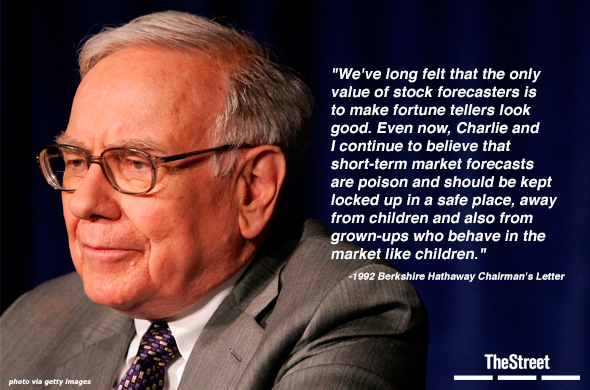
1. Stock Market Psychology (short-term scenario)
Probably more than 99% of stock traders are not businessmen and they know next to nothing about running a business. They react (not respond) to news and events mostly in emotional ways. Greed and fear are two highly frequenting emotions in stock trading among traders. Emotions are unpredictable and so is the stock market.
Simply short-term stock market forecasting is unreliable, because forecasting is based on business news and events while the actual reflections in the stock market are based vastly on greed and fear of traders who don't understand business.
Conclusion: Short-term stock market forecasts are unreliable.
Note : This is only a short-term scenario and has got nothing to do with long-term investments.

2. Stock Trading Psychology
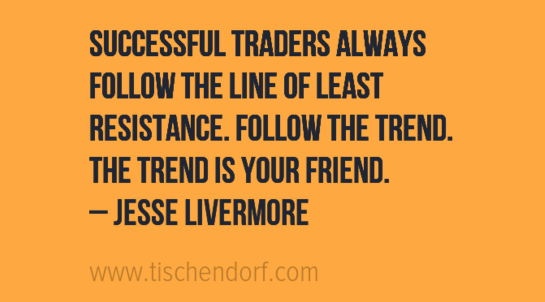
Stock market short-term forecasting may be unreliable. Yet the short-lived market trend is more predictable. Supports and resistances tells us some story that is far more reliable than the short-term forecasting. Technical charts (EMA, RSI, MACD, etc,) are diluted versions of this trend and not for professionals, may be of interest for beginners.
Conclusion : Trend based trading is more reliable.
3. Stock Trader's Psychology
There are two levels to trader's psychology :
Level 1: Trading is a business. Trader is a businessman. Trader's psychology is fundamentally a business psychology. The relationship between a businessman and his money can be compared to the relationship between a mother and her baby. Warren Buffet expresses the business attitude as follows....

Level 2 : A businessman also need to understand his field of business. A stock trader has to understand and adopt 1) stock market psychology and 2) stock trading psychology.
Conclusion : Wear the business attitude and learn the business you are in.
A professional trader will always treat his money as his baby.
1. Stock Market Psychology (short-term scenario)
Probably more than 99% of stock traders are not businessmen and they know next to nothing about running a business. They react (not respond) to news and events mostly in emotional ways. Greed and fear are two highly frequenting emotions in stock trading among traders. Emotions are unpredictable and so is the stock market.
Simply short-term stock market forecasting is unreliable, because forecasting is based on business news and events while the actual reflections in the stock market are based vastly on greed and fear of traders who don't understand business.
Conclusion: Short-term stock market forecasts are unreliable.
Note : This is only a short-term scenario and has got nothing to do with long-term investments.
2. Stock Trading Psychology
Stock market short-term forecasting may be unreliable. Yet the short-lived market trend is more predictable. Supports and resistances tells us some story that is far more reliable than the short-term forecasting. Technical charts (EMA, RSI, MACD, etc,) are diluted versions of this trend and not for professionals, may be of interest for beginners.
Conclusion : Trend based trading is more reliable.
3. Stock Trader's Psychology
There are two levels to trader's psychology :
Level 1: Trading is a business. Trader is a businessman. Trader's psychology is fundamentally a business psychology. The relationship between a businessman and his money can be compared to the relationship between a mother and her baby. Warren Buffet expresses the business attitude as follows....
Level 2 : A businessman also need to understand his field of business. A stock trader has to understand and adopt 1) stock market psychology and 2) stock trading psychology.
Conclusion : Wear the business attitude and learn the business you are in.
A professional trader will always treat his money as his baby.
Last edited:


