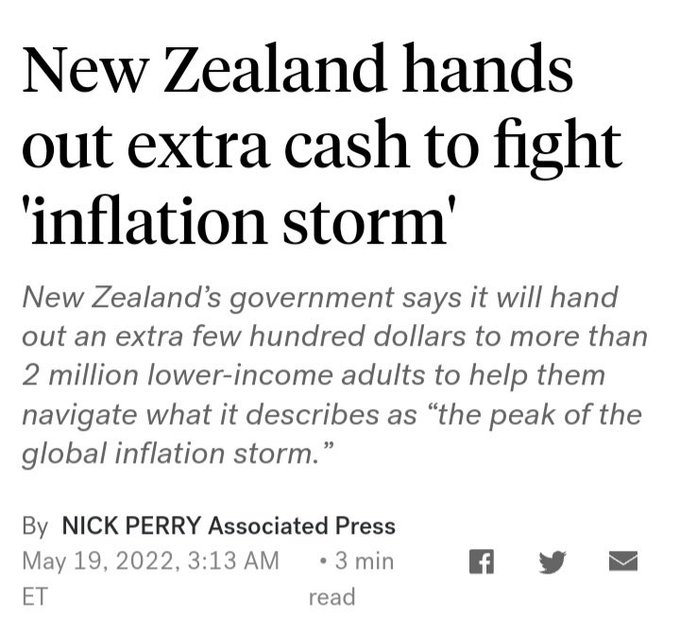
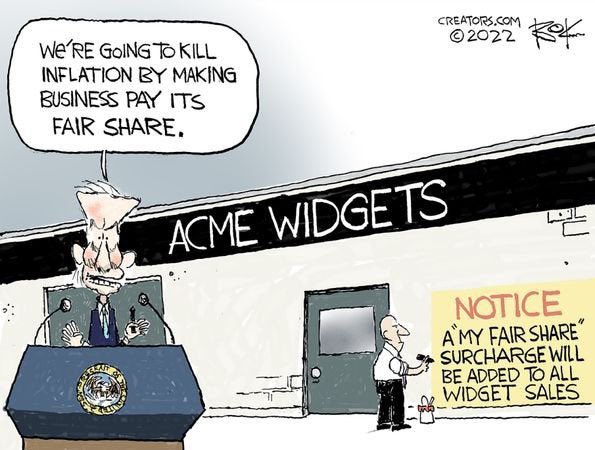
I just shared - sorry, someone came in the office before I could edit it.
On 23 April 2020, EU leaders decided to work towards establishing an EU recovery fund aimed at mitigating the effects of the crisis. They tasked the European Commission to urgently come up with a proposal, which would also clarify the link between the fund and the EU's long term budget. The proposal, a recovery plan for Europe, was presented by the European Commission on 27 May 2020.As for Global inflation, when China, the US and the EU blast their economies with a firehose of fiscal stimulus, it has wide reaching effects everywhere else.
On 21 July 2020, EU leaders agreed on a €750 billion recovery effort, Next Generation EU, to help the EU tackle the crisis caused by the pandemic.
Alongside the recovery package, EU leaders agreed on a €1 074.3 billion long-term EU budget for 2021-2027. Among others, the budget will support investment in the digital and green transitions and resilience.
Together with the €540 billion of funds already in place for the three safety nets (for workers, for businesses and for member states), the overall EU's recovery package amounts to €2 364.3 billion.
The European Parliament and the Council reached a preliminary agreement on the package on 10 November 2020. The European Council on 10-11 December 2020 addressed the concerns raised on the agreement and cleared the path for the recovery package to be adopted.
Ok, so you’re not differentiating between stimulus and safety programs like in Europe that kept people from being laid off. To you this is all stimulus.
That’s kind of an odd place to be in because you’re essentially advocating for a depression without any stabilization measures.