
- Trump campaign manager gets convicted on 8 counts.
- Trump personal attorney pleads guilty on 8 counts, agrees to cooperate.
- Republican representative indicted for using contributions for Steam games.
- Dossier author Steele successful in libel case against him by Russian oligarchs.
- Trump CFO gets immunity for cooperating.
- National Enquirer editor David Pecker working with authorities.

You are using an out of date browser. It may not display this or other websites correctly.
You should upgrade or use an alternative browser.
You should upgrade or use an alternative browser.
The Week So Far: Summary of 'Infrastructure' Week
- Thread starter exGOPer
- Start date
First Read: “Think about it: He praises and pardons friends/allies who have committed crimes (Manafort, Joe Arpaio, Dinesh D’Souza), but calls for the prosecution of enemies who haven’t been charged at all (Hillary Clinton, James Comey, Peter Strzok, Christopher Steele).”
“And as others have pointed out, Trump continues to use mob-boss language: Manafort ‘refused to break’ … White House counsel Don McGahn must be a John Dean type ‘RAT’ … ‘Flipping’ ought to be outlawed.”
“This is the president of the United States of America.”

“And as others have pointed out, Trump continues to use mob-boss language: Manafort ‘refused to break’ … White House counsel Don McGahn must be a John Dean type ‘RAT’ … ‘Flipping’ ought to be outlawed.”
“This is the president of the United States of America.”
Mr. Cohen admitted to failing to pay taxes on more than $4 million in income, among other felonies. That income included what prosecutors described as $100,000 in 2014 from “brokering the sale of a piece of property in a private aviation community in Ocala, Florida.”...from a Qatari company, and Mr. Cohen represented the seller, Abdul Aziz Althani Holdings Inc.
https://www.wsj.com/articles/michae...eveals-link-to-qatari-royal-family-1535127732

You forgot white house counsel pouring his heart out to the feds
So many crimes, so little time.
Last edited:
Special counsel Robert Mueller has made use of an unusual legal tool that has allowed him to build a narrative about Russian interference in the presidential election while quietly pressing forward with his investigation behind the scenes.
Mueller has made frequent use of “speaking indictments” — a colloquial term used by attorneys and legal experts to describe indictments that go into more detail, and provide more facts, than what is required under law.
“A speaking indictment comes from the idea that the indictment does more than that — it speaks, it tells a story,” said Jack Sharman, a former special counsel to Congress during the Whitewater investigation.
It is unclear precisely why Mueller is using speaking indictments, but people familiar with their use suspect he wants to use them to tell the public more about what his investigation believes happened in the 2016 election.
It could also be a way for Mueller to fire warning shots at people he might want to target.
The 29-page document charging a dozen Russian intelligence officers in the hacking of the Democratic National Committee that was unveiled by the special counsel last month fits the description of a speaking indictment.
These indictments contain a high level of detail and go well beyond the constitutional requirements of laying out the essential facts of the offense charged. It also gives the defendant enough notice and specificity to mount a defense.
The Russians charged are out of reach of U.S. officials and therefore unlikely to see their day in court, meaning that the charging documents are the Justice Department’s single opportunity to lay out what prosecutors say are the facts.
Glenn Kirschner, a former federal prosecutor with the U.S. Attorney’s Office in Washington D.C., said the documents can effectively send the signal: “‘Listen folks, we know what’s up here.’”
“That could inspire cooperation by others,” Kirschner said.
The indictment for the election hacking contained several detailed excerpts that immediately attracted the attention of the media and the public.
One passage specifies that co-conspirators “for the first time” attempted to spear-phish email accounts linked to Hillary Clinton’s personal office and her presidential campaign on July 27, 2016. It was on that same date that then-candidate Donald Trump called on Russia to “find” the missing emails from Clinton's tenure as secretary of State during a new conference in Florida, though the indictment does not make mention of Trump’s appeal to Moscow.
The indictment also alleges that the Russians, posing as hacker persona Guccifer 2.0, communicated with “a person who was in regular contact with senior members” of Trump’s campaign about the release of documents stolen from Democrats.
Roger Stone, a longtime informal adviser to Trump, has since acknowledged he is likely the individual in the indictment.
Speaking indictments are generally used in very complex cases, often those alleging conspiracy to commit a crime, where prosecutors must prove that co-conspirators committed at least one overt act to commit the underlying offense.
Mueller has used these detailed indictments to charge Russian nationals in the hacking conspiracy, as well as those allegedly involved in the Russian troll farm that spread divisive content on social media — both of which are linked to a broader plot to interfere in the election.
The indictments also provide a noteworthy contrast to the behind-the-scenes persona Mueller has adopted as he has conducted the investigation.
“There’s no question that a speaking indictment is so that a lot of alleged facts can be put in the public record,” said Jon Sale, a former assistant U.S. attorney in the Southern District of New York and in the District of Connecticut.
There could be other strategic reasons for using speaking indictments, including signaling to a defendant that the case could be difficult to win, putting other potential defendants on notice, or telegraphing the sheer amount of evidence that prosecutors have in their possession.
Mueller has also used speaking indictments to allege crimes committed by Trump’s former campaign aides Paul Manafort and Richard Gates. Manafort was convicted on eight counts of bank and tax fraud in federal court in Alexandria, Va., on Tuesday in what was seen as a victory in Mueller's investigation. Gates testified against him after reaching a plea deal with the government to cooperate in the investigation.
“It may be a way for the government to prove it has a mastery of facts or the timeline … to convince the defendant that it’s going to be a hard case to win,” said Sharman.
“The other [reason] might be to send a message to someone other than the defendant,” Sharman added. “For example, potential co-conspirators, other potential defendants.”
Kirschner, who worked with Mueller, said he was struck by the level of detail in the hacking indictment, noting that the mention of the individual linked to the Trump campaign could be meant to send a signal to Stone. Since then, Mueller’s team has appeared to circle Stone in its inquiry, interviewing and subpoenaing several of his associates.
“I think it took all of us career prosecutors by surprise when we saw that level of detail,” Kirschner said.
The special counsel’s office declined to comment for this story.
Prosecutors’ use of speaking indictments is a source of debate, particularly in cases that are unlikely to be tried in court.
“It could be debated whether or not that is appropriate of the prosecutor,” said Sale. “[These facts] never going to be challenged in court, they’re never going to be prosecuted.”
More generally, critics argue that the inclusion of additional details supplies the jury with a slanted roadmap of the case from the prosecution’s perspective, which judges sometimes send back with jurors for their deliberations. They also say that any publicity of the allegations risks tainting potential jurors before a trial even begins.
“A prosecutor who is experienced and professional should not want to ‘try' their investigation or try their case in the press,” said Ronald Levine, a white-collar defense attorney at Post & Schell. “That said, speaking indictments are matters of public record, and, from a defense perspective, there is concern that it taints the potential pool of jurors who learn about it from the media.”
Still, Mueller’s investigation is unique, given the intense public appetite for answers on an issue that has captivated the country for well over a year. Mueller’s findings are likely to carry enormous political and national security implications.
President Trump has regularly castigated the investigation as a political “witch hunt,” claiming there is no evidence of collusion between his campaign and Moscow. Mueller’s team is in talks with the president’s lawyers over a possible interview, as he looks to question Trump about obstruction of justice.
It is expected that Mueller will ultimately issue a report on his findings to Deputy Attorney General Rod Rosenstein, though there is no requirement that it be made public.
“A special counsel appointment is a different creature,” said Sharman. “A special counsel really has one case and one portfolio. In that circumstance, you could see the prosecutor saying, ‘I have an obligation to create a more detailed framework than I might otherwise.’”
“For example, if there were to be congressional proceedings or impeachment proceedings,” he added.
http://thehill.com/policy/national-...-speaking-indictments-offer-clues-to-strategy
Mueller has made frequent use of “speaking indictments” — a colloquial term used by attorneys and legal experts to describe indictments that go into more detail, and provide more facts, than what is required under law.
“A speaking indictment comes from the idea that the indictment does more than that — it speaks, it tells a story,” said Jack Sharman, a former special counsel to Congress during the Whitewater investigation.
It is unclear precisely why Mueller is using speaking indictments, but people familiar with their use suspect he wants to use them to tell the public more about what his investigation believes happened in the 2016 election.
It could also be a way for Mueller to fire warning shots at people he might want to target.
The 29-page document charging a dozen Russian intelligence officers in the hacking of the Democratic National Committee that was unveiled by the special counsel last month fits the description of a speaking indictment.
These indictments contain a high level of detail and go well beyond the constitutional requirements of laying out the essential facts of the offense charged. It also gives the defendant enough notice and specificity to mount a defense.
The Russians charged are out of reach of U.S. officials and therefore unlikely to see their day in court, meaning that the charging documents are the Justice Department’s single opportunity to lay out what prosecutors say are the facts.
Glenn Kirschner, a former federal prosecutor with the U.S. Attorney’s Office in Washington D.C., said the documents can effectively send the signal: “‘Listen folks, we know what’s up here.’”
“That could inspire cooperation by others,” Kirschner said.
The indictment for the election hacking contained several detailed excerpts that immediately attracted the attention of the media and the public.
One passage specifies that co-conspirators “for the first time” attempted to spear-phish email accounts linked to Hillary Clinton’s personal office and her presidential campaign on July 27, 2016. It was on that same date that then-candidate Donald Trump called on Russia to “find” the missing emails from Clinton's tenure as secretary of State during a new conference in Florida, though the indictment does not make mention of Trump’s appeal to Moscow.
The indictment also alleges that the Russians, posing as hacker persona Guccifer 2.0, communicated with “a person who was in regular contact with senior members” of Trump’s campaign about the release of documents stolen from Democrats.
Roger Stone, a longtime informal adviser to Trump, has since acknowledged he is likely the individual in the indictment.
Speaking indictments are generally used in very complex cases, often those alleging conspiracy to commit a crime, where prosecutors must prove that co-conspirators committed at least one overt act to commit the underlying offense.
Mueller has used these detailed indictments to charge Russian nationals in the hacking conspiracy, as well as those allegedly involved in the Russian troll farm that spread divisive content on social media — both of which are linked to a broader plot to interfere in the election.
The indictments also provide a noteworthy contrast to the behind-the-scenes persona Mueller has adopted as he has conducted the investigation.
“There’s no question that a speaking indictment is so that a lot of alleged facts can be put in the public record,” said Jon Sale, a former assistant U.S. attorney in the Southern District of New York and in the District of Connecticut.
There could be other strategic reasons for using speaking indictments, including signaling to a defendant that the case could be difficult to win, putting other potential defendants on notice, or telegraphing the sheer amount of evidence that prosecutors have in their possession.
Mueller has also used speaking indictments to allege crimes committed by Trump’s former campaign aides Paul Manafort and Richard Gates. Manafort was convicted on eight counts of bank and tax fraud in federal court in Alexandria, Va., on Tuesday in what was seen as a victory in Mueller's investigation. Gates testified against him after reaching a plea deal with the government to cooperate in the investigation.
“It may be a way for the government to prove it has a mastery of facts or the timeline … to convince the defendant that it’s going to be a hard case to win,” said Sharman.
“The other [reason] might be to send a message to someone other than the defendant,” Sharman added. “For example, potential co-conspirators, other potential defendants.”
Kirschner, who worked with Mueller, said he was struck by the level of detail in the hacking indictment, noting that the mention of the individual linked to the Trump campaign could be meant to send a signal to Stone. Since then, Mueller’s team has appeared to circle Stone in its inquiry, interviewing and subpoenaing several of his associates.
“I think it took all of us career prosecutors by surprise when we saw that level of detail,” Kirschner said.
The special counsel’s office declined to comment for this story.
Prosecutors’ use of speaking indictments is a source of debate, particularly in cases that are unlikely to be tried in court.
“It could be debated whether or not that is appropriate of the prosecutor,” said Sale. “[These facts] never going to be challenged in court, they’re never going to be prosecuted.”
More generally, critics argue that the inclusion of additional details supplies the jury with a slanted roadmap of the case from the prosecution’s perspective, which judges sometimes send back with jurors for their deliberations. They also say that any publicity of the allegations risks tainting potential jurors before a trial even begins.
“A prosecutor who is experienced and professional should not want to ‘try' their investigation or try their case in the press,” said Ronald Levine, a white-collar defense attorney at Post & Schell. “That said, speaking indictments are matters of public record, and, from a defense perspective, there is concern that it taints the potential pool of jurors who learn about it from the media.”
Still, Mueller’s investigation is unique, given the intense public appetite for answers on an issue that has captivated the country for well over a year. Mueller’s findings are likely to carry enormous political and national security implications.
President Trump has regularly castigated the investigation as a political “witch hunt,” claiming there is no evidence of collusion between his campaign and Moscow. Mueller’s team is in talks with the president’s lawyers over a possible interview, as he looks to question Trump about obstruction of justice.
It is expected that Mueller will ultimately issue a report on his findings to Deputy Attorney General Rod Rosenstein, though there is no requirement that it be made public.
“A special counsel appointment is a different creature,” said Sharman. “A special counsel really has one case and one portfolio. In that circumstance, you could see the prosecutor saying, ‘I have an obligation to create a more detailed framework than I might otherwise.’”
“For example, if there were to be congressional proceedings or impeachment proceedings,” he added.
http://thehill.com/policy/national-...-speaking-indictments-offer-clues-to-strategy
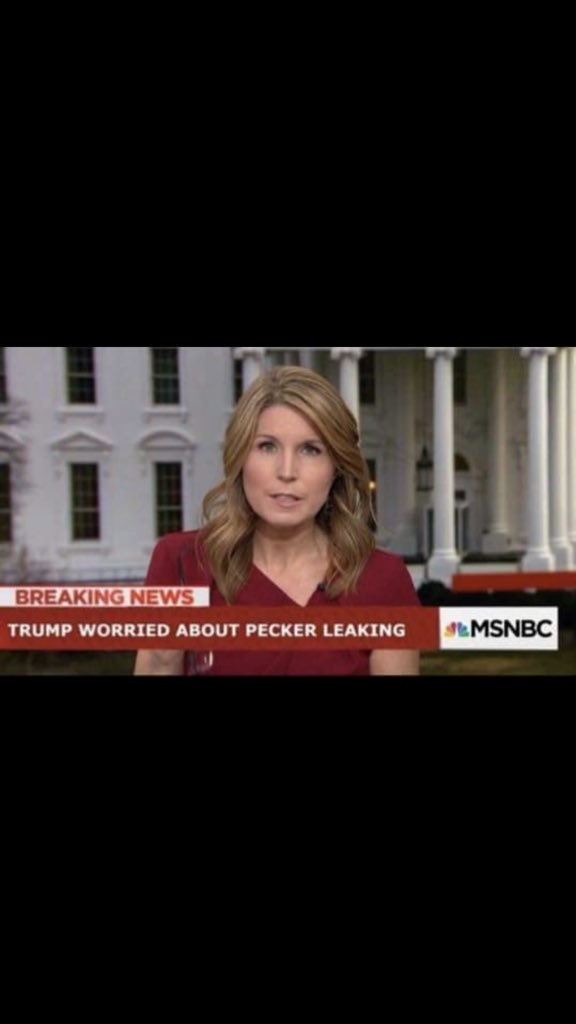
You have to be dead inside to still be a Trump supporter and having to defend such a filthy man and his corrupt political party.
- Trump campaign manager gets convicted on 8 counts.
- Trump personal attorney pleads guilty on 8 counts, agrees to cooperate.
- Republican representative indicted for using contributions for Steam games.
- Dossier author Steele successful in libel case against him by Russian oligarchs.
- Trump CFO gets immunity for cooperating.
- National Enquirer editor David Pecker working with authorities.
You give them too much credit. Of course they will support their idol. No evidence will ever be good enough.
Last edited:
You give them too much credit. Of course they will support their idol. No evidence will even be good enough.

Most weeks,New York Magazine writer-at-large Frank Rich speaks with contributor Alex Carp about the biggest stories in politics and culture. Today, the fallout for Trump from Michael Cohen’s guilty plea and Paul Manafort’s conviction on multiple felonies.
When you looked back on Watergate last summer, you found that the scandal unraveled incredibly slowly until, in August 1974, Nixon’s presidency collapsed all at once. This week, Donald Trump’s former campaign chairman Paul Manafort was convicted on multiple counts of fraud and Michael Cohen, his personal lawyer and fixer, pleaded guilty to campaign finance violations he says he committed “at the direction of the candidate.” Have we reached the August 1974 of the Trump presidency?
There have been so many times when Trump was doomed, dating at least as far back as his denigration of John McCain’s war heroism three summers ago, that it would be foolish to declare any new horror the final blow. But I do believe, as I wrote last summer, that Trump’s path to “a premature exit from the White House in disgrace” is “on a comparable timeline” to Nixon’s. The tumult of August 2018 hasn’t finished off his presidency, but the endgame looks closer by the day. We know we’ve reached a nadir when the president’s lawyer is reduced to claiming that “truth isn’t truth” and even a lowlife crook like Michael Cohen can take the moral high road by professing he’d rather go to prison than be “dirtied” by a Trump pardon.
It is important to remember that the unrelenting lockstep loyalty of the feckless GOP leadership and the party’s base to Trump are not indicators of his fate. An occasional outlier in the Jeff Flake vein aside, Nixon’s party was wholly loyal to him too. Like today’s Vichy Republicans, they remained loyal despite the indictments of Cabinet members and aides as close to Nixon as Manafort, Cohen, and Michael Flynn have been to Trump. They remained loyal after the nation was riveted by the devastating Watergate hearings of the summer of 1973, which portrayed all the president’s men as counterparts to the mobsters seen in the previous year’s Hollywood hit The Godfather.They remained loyal even that fall, when Nixon’s firing of the special prosecutor in the “Saturday Night Massacre” attempted to blowtorch the Constitution and the rule of law.
As a counsel to the House Judiciary Committee during the 1974 impeachment inquiry pointed out in a Times op-ed piece ten days ago, Nixon’s defenders routinely dismissed Watergate investigations as a political “witch hunt” intended to reverse the Democrats’ 1972 electoral defeat. As late as the end of July 1974 — less than two weeks before Nixon’s August 9 helicopter departure from the White House lawn — most Republicans on the House Judiciary Committee voted against all articles of impeachment. Many Republicans on the committee continued to support him even after the August 5 release of the “smoking gun” tape revealing that Nixon had ordered a cover up of the Watergate crimes. Had the Democrats not controlled both houses of Congress — and had the era’s Nixon-sympathizing conservative Southern Democrats not finally turned on him — Nixon might have held on until a few months more, until November 1974. But no longer than that. The Democrats gained 49 additional House seats and four Senate seats in the midterms. His doom was assured.
With all the debate about whether Trump could or should be impeached this very minute — a wholly theoretical debate as long as the GOP controls Congress — we tend to forget that Nixon was never tried for impeachment. He quit once he realized he didn’t have the votes to survive such a trial and when he no doubt realized that he was in criminal jeopardy. (A fear that would only be alleviated when his successor, Gerald Ford, granted him a pardon.) Trump, unlike Nixon, is out of touch with reality. He doesn’t know how to count votes, and he believes he can defy the law with impunity. (Nixon, a lawyer, could only lie to himself about his criminal exposure up to a point.) But, whether Trump recognizes it or not, the fact remains that his main and perhaps only hope for clinging to office is that Republicans hold the House in November. Polls — and the history of midterm elections inflicting damage against the party occupying the White House even during non-criminal presidencies — tell us that a blue wave is more likely.
What would happen then could be any combination of developments including impeachment. Nonstop congressional investigations will attempt to illuminate every dark corner of an administration in which the kleptocracy extends from the Trump family to most Cabinet departments. Those close to Trump, both in his family and in his immediate circle, will fear for their futures, both legally and financially. The GOP and the Trump Organization alike will be on the ropes, and in full panic. This is evident from the wrongdoing already apparent — indeed, already the subject of indictments and guilty pleas. Yet to be factored in, of course, are the unknown findings of the Robert Mueller investigation, which could include not only treasonous conspiracies with the Russians to steal an election but additional crimes that beggar the imagination.
If there is a shocking upset GOP victory in November, then all bets are off: America is in worse trouble than we already think and possibly in an existential fight for survival.
But the more plausible scenario is that Trump, even if he has to be pushed kicking-and-screaming by Ivanka and the possible jailbirds Donald Jr. and Jared, gets out of Dodge. As with Nixon, his administration is most likely not to end with impeachment but with a self-pitying and self-justifying resignation in which Trump lashes out against both Republicans and Democrats, declares another ersatz “win,” and flees.
Up until the ship of state hits the iceberg, the Vichy Republicans will not hit the lifeboats. Trump’s loyal supporters will remain loyal even then, still chanting, as they did during the president’s West VIrginia rally this week, “Lock her up!” and “Drain the swamp!” (Polls found that a quarter of the country still supported Nixon even when he resigned.) The exact timing remains unknown, and a little more perseverance and patience in the face of the torrent of Trump indignities will be required. But when this White House collapses, it will happen fast. As the Washington reporter Elizabeth Drew, who covered Watergate for The New Yorker, would conclude, “In retrospect, the denouement appeared inevitable, but it certainly didn’t feel like that at the time.”
http://nymag.com/daily/intelligencer/2018/08/trump-impeachment-the-endgame-comes-into-view.html
Last edited: