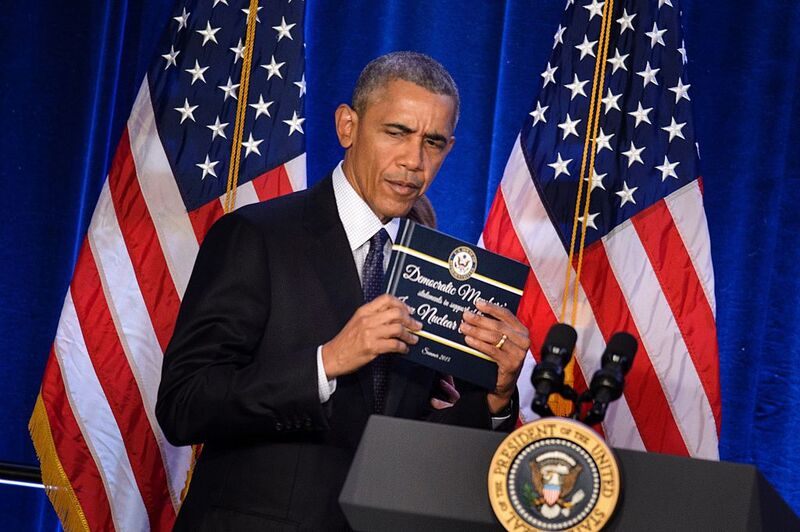
Not all that surprising that Obama would side with terrorists given the fact he hates America. (Article continues at the link below too long to paste it all here)
The secret backstory of how Obama let Hezbollah off the hook
A GLOBAL THREAT EMERGES
How Hezbollah turned to trafficking cocaine and laundering money through used cars to finance its expansion.
In its determination to secure a nuclear deal with Iran, the Obama administration derailed an ambitious law enforcement campaign targeting drug trafficking by the Iranian-backed terrorist group Hezbollah, even as it was funneling cocaine into the United States, according to a POLITICO investigation.
The campaign, dubbed Project Cassandra, was launched in 2008 after the Drug Enforcement Administration amassed evidence that Hezbollah had transformed itself from a Middle East-focused military and political organization into an international crime syndicate that some investigators believed was collecting $1 billion a year from drug and weapons trafficking, money laundering and other criminal activities.
Over the next eight years, agents working out of a top-secret DEA facility in Chantilly, Virginia, used wiretaps, undercover operations and informants to map Hezbollah’s illicit networks, with the help of 30 U.S. and foreign security agencies.
They followed cocaine shipments, some from Latin America to West Africa and on to Europe and the Middle East, and others through Venezuela and Mexico to the United States. They tracked the river of dirty cash as it was laundered by, among other tactics, buying American used cars and shipping them to Africa. And with the help of some key cooperating witnesses, the agents traced the conspiracy, they believed, to the innermost circle of Hezbollah and its state sponsors in Iran.
They followed cocaine shipments, tracked a river of dirty cash, and traced what they believed to be the innermost circle of Hezbollah and its state sponsors in Iran.
But as Project Cassandra reached higher into the hierarchy of the conspiracy, Obama administration officials threw an increasingly insurmountable series of roadblocks in its way, according to interviews with dozens of participants who in many cases spoke for the first time about events shrouded in secrecy, and a review of government documents and court records. When Project Cassandra leaders sought approval for some significant investigations, prosecutions, arrests and financial sanctions, officials at the Justice and Treasury departments delayed, hindered or rejected their requests.
The Justice Department declined requests by Project Cassandra and other authorities to file criminal charges against major players such as Hezbollah’s high-profile envoy to Iran, a Lebanese bank that allegedly laundered billions in alleged drug profits, and a central player in a U.S.-based cell of the Iranian paramilitary Quds force. And the State Department rejected requests to lure high-value targets to countries where they could be arrested.
December 15, 2011
Hezbollah is linked to a $483,142,568 laundering scheme
The money, allegedly laundered through the Lebanese Canadian Bank and two exchange houses, involved approximately 30 U.S. car buyers.

Read the document
“This was a policy decision, it was a systematic decision,” said David AsherDavid AsherVeteran U.S. illicit finance expert sent from Pentagon to Project Cassandra to attack the alleged Hezbollah criminal enterprise., who helped establish and oversee Project Cassandra as a Defense Department illicit finance analyst. “They serially ripped apart this entire effort that was very well supported and resourced, and it was done from the top down.”
ADVERTISEMENT
The untold story of Project Cassandra illustrates the immense difficulty in mapping and countering illicit networks in an age where global terrorism, drug trafficking and organized crime have merged, but also the extent to which competing agendas among government agencies — and shifting priorities at the highest levels — can set back years of progress.
And while the pursuit may be shadowed in secrecy, from Latin American luxury hotels to car parks in Africa to the banks and battlefields of the Middle East, the impact is not: In this case, multi-ton loads of cocaine entering the United States, and hundreds of millions of dollars going to a U.S.-designated terrorist organization with vast reach.
Obama had entered office in 2009 promising to improve relations with Iran as part of a broader rapprochement with the Muslim world. On the campaign trail, he had asserted repeatedly that the Bush administration’s policy of pressuring Iran to stop its illicit nuclear program wasn’t working, and that he would reach out to Tehran to reduce tensions.
The man who would become Obama’s top counterterrorism adviser and then CIA director, John BrennanJohn BrennanObama's White House counterterrorism adviser, who became CIA director in 2013., went further. He recommended in a policy paper that “the next president has the opportunity to set a new course for relations between the two countries” through not only a direct dialogue, but “greater assimilation of Hezbollah into Lebanon’s political system.”

Barack Obama
John Brennan
Former U.S. president
Former CIA director
By May 2010, Brennan, then assistant to the president for homeland security and counterterrorism, confirmed in a speech that the administration was looking for ways to build up “moderate elements” within Hezbollah.
“Hezbollah is a very interesting organization,” Brennan told a Washington conference, saying it had evolved from “purely a terrorist organization” to a militia and, ultimately, a political party with representatives in the Lebanese Parliament and Cabinet, according to a Reuters report.
“There is certainly the elements of Hezbollah that are truly a concern to us what they’re doing,” Brennan said. “And what we need to do is to find ways to diminish their influence within the organization and to try to build up the more moderate elements.”
In practice, the administration’s willingness to envision a new role for Hezbollah in the Middle East, combined with its desire for a negotiated settlement to Iran’s nuclear program, translated into a reluctance to move aggressively against the top Hezbollah operatives, according to Project Cassandra members and others.
https://www.politico.com/interactives/2017/obama-hezbollah-drug-trafficking-investigation/
The secret backstory of how Obama let Hezbollah off the hook
A GLOBAL THREAT EMERGES
How Hezbollah turned to trafficking cocaine and laundering money through used cars to finance its expansion.
In its determination to secure a nuclear deal with Iran, the Obama administration derailed an ambitious law enforcement campaign targeting drug trafficking by the Iranian-backed terrorist group Hezbollah, even as it was funneling cocaine into the United States, according to a POLITICO investigation.
The campaign, dubbed Project Cassandra, was launched in 2008 after the Drug Enforcement Administration amassed evidence that Hezbollah had transformed itself from a Middle East-focused military and political organization into an international crime syndicate that some investigators believed was collecting $1 billion a year from drug and weapons trafficking, money laundering and other criminal activities.
Over the next eight years, agents working out of a top-secret DEA facility in Chantilly, Virginia, used wiretaps, undercover operations and informants to map Hezbollah’s illicit networks, with the help of 30 U.S. and foreign security agencies.
They followed cocaine shipments, some from Latin America to West Africa and on to Europe and the Middle East, and others through Venezuela and Mexico to the United States. They tracked the river of dirty cash as it was laundered by, among other tactics, buying American used cars and shipping them to Africa. And with the help of some key cooperating witnesses, the agents traced the conspiracy, they believed, to the innermost circle of Hezbollah and its state sponsors in Iran.
They followed cocaine shipments, tracked a river of dirty cash, and traced what they believed to be the innermost circle of Hezbollah and its state sponsors in Iran.
But as Project Cassandra reached higher into the hierarchy of the conspiracy, Obama administration officials threw an increasingly insurmountable series of roadblocks in its way, according to interviews with dozens of participants who in many cases spoke for the first time about events shrouded in secrecy, and a review of government documents and court records. When Project Cassandra leaders sought approval for some significant investigations, prosecutions, arrests and financial sanctions, officials at the Justice and Treasury departments delayed, hindered or rejected their requests.
The Justice Department declined requests by Project Cassandra and other authorities to file criminal charges against major players such as Hezbollah’s high-profile envoy to Iran, a Lebanese bank that allegedly laundered billions in alleged drug profits, and a central player in a U.S.-based cell of the Iranian paramilitary Quds force. And the State Department rejected requests to lure high-value targets to countries where they could be arrested.
December 15, 2011
Hezbollah is linked to a $483,142,568 laundering scheme
The money, allegedly laundered through the Lebanese Canadian Bank and two exchange houses, involved approximately 30 U.S. car buyers.
Read the document
“This was a policy decision, it was a systematic decision,” said David AsherDavid AsherVeteran U.S. illicit finance expert sent from Pentagon to Project Cassandra to attack the alleged Hezbollah criminal enterprise., who helped establish and oversee Project Cassandra as a Defense Department illicit finance analyst. “They serially ripped apart this entire effort that was very well supported and resourced, and it was done from the top down.”
ADVERTISEMENT
The untold story of Project Cassandra illustrates the immense difficulty in mapping and countering illicit networks in an age where global terrorism, drug trafficking and organized crime have merged, but also the extent to which competing agendas among government agencies — and shifting priorities at the highest levels — can set back years of progress.
And while the pursuit may be shadowed in secrecy, from Latin American luxury hotels to car parks in Africa to the banks and battlefields of the Middle East, the impact is not: In this case, multi-ton loads of cocaine entering the United States, and hundreds of millions of dollars going to a U.S.-designated terrorist organization with vast reach.
Obama had entered office in 2009 promising to improve relations with Iran as part of a broader rapprochement with the Muslim world. On the campaign trail, he had asserted repeatedly that the Bush administration’s policy of pressuring Iran to stop its illicit nuclear program wasn’t working, and that he would reach out to Tehran to reduce tensions.
The man who would become Obama’s top counterterrorism adviser and then CIA director, John BrennanJohn BrennanObama's White House counterterrorism adviser, who became CIA director in 2013., went further. He recommended in a policy paper that “the next president has the opportunity to set a new course for relations between the two countries” through not only a direct dialogue, but “greater assimilation of Hezbollah into Lebanon’s political system.”
Barack Obama
John Brennan
Former U.S. president
Former CIA director
By May 2010, Brennan, then assistant to the president for homeland security and counterterrorism, confirmed in a speech that the administration was looking for ways to build up “moderate elements” within Hezbollah.
“Hezbollah is a very interesting organization,” Brennan told a Washington conference, saying it had evolved from “purely a terrorist organization” to a militia and, ultimately, a political party with representatives in the Lebanese Parliament and Cabinet, according to a Reuters report.
“There is certainly the elements of Hezbollah that are truly a concern to us what they’re doing,” Brennan said. “And what we need to do is to find ways to diminish their influence within the organization and to try to build up the more moderate elements.”
In practice, the administration’s willingness to envision a new role for Hezbollah in the Middle East, combined with its desire for a negotiated settlement to Iran’s nuclear program, translated into a reluctance to move aggressively against the top Hezbollah operatives, according to Project Cassandra members and others.
https://www.politico.com/interactives/2017/obama-hezbollah-drug-trafficking-investigation/