
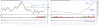
After years of studying price action, I came to the conclusion that some of the best trend trade entries are actually break-even stop hunts.

You are using an out of date browser. It may not display this or other websites correctly.
You should upgrade or use an alternative browser.
You should upgrade or use an alternative browser.
The Break Even Stop is a Psychological Crutch for Newbies
- Thread starter Buy1Sell2
- Start date

This is where trading is night/day, when one position trades, usually is like set it and forget it and try to hang on for 2-3 year trade. I use what I have always used, get to breakeven plus a small amount and never move it till I get reason to get out, too much testing for what I do shows I screw myself getting out of good trades using trailing stops, once in a long term trade, exits can only happen on last day of trading week fifteen minutes before close.
Day trading or scalping for 1-8 ticks or $100 what I do, I simple don't use stops as I am hitting bids/asks and keeps me concentrating hard at price. I think using stops too often for many as areas of where mental pain ends, I have seen many watch till price stops them out like a deer in head lites and are relieved they took a loss. I believe younger trader to have catastrophic stops of triple what is logical so they an active part to current trade. I know many will disagree, but trading still comes down to way too many "try" it and way short on learning about charts. Inexperience is like bait to sharks, have seen newbs spend 3 months sim trading well and burn their account in a day, exchanges makes it too easy for anyone to open an account.
Handle,
When you do these very long term trades how do you decide when to get out? If your trading the weekly do you just look at the weekly for the decision or do you sometimes look at the smaller time frame ( the daily)???
Many moons ago, I use to always be able to hold trades for 3-6 months with ease...but since the creation of the internet, I have an overload of smaller time frames which always seems to tempt me to move THAT STOP UP...and YOU KNOW the rest of the story...
Handle,
When you do these very long term trades how do you decide when to get out? If your trading the weekly do you just look at the weekly for the decision or do you sometimes look at the smaller time frame ( the daily).
Many moons ago, I use to always be able to hold trades for 3-6 months with ease...but since the creation of the internet, I have an overload of smaller time frames which always seems to tempt me to move THAT STOP UP...and you know the rest of the story...
In uptrends or bull markets like the one we been experiencing for the past 4+ years whenever there is a stop hunt in the weekly/monthly timeframe, it's time to buy.
Things like up trendline "breaks", lower lows in uptrends, the "break" of a head and shoulder neckline, all those spots I find they are great buying areas which is the opposite of what textbook or retail traders do, which is take stops.

Things like up trendline "breaks", lower lows in uptrends, the "break" of a head and shoulder neckline, all those spots I find they are great buying areas which is the opposite of what textbook or retail traders do, which is take stops.
In an up trend this is true but I have a couple questions.
In a bear market like 2008 how long do you keep adding?
Where do you get the capital to add to your positions if you haven't sold anything?
"Most" of the time I looked at nine year charts(it is automated now) and entries based on new contract highs and switches to two minute intraday charts and looking for right entry based on volume, but if one can't do that, longest time new contract highs/lows in right zone based on nine year charts, so one can do 20% or 25% zones based on my backtesting going back when that market started trading. I use to just use weekly divergences to get out, ie short position, get out near last trading days' close is above high of last weeks' high if it was divergent. I have now switched to going beyond the fifty percent of last nine years and still requiring divergence on RSI-14 or standard MACD. Once I get to better than breakeven stops, I never look at daily nor change stops, I have to readjust for rollovers. In recent USDollar I went beyond the nine year charts as it was long overdue based on 25 year charts and Crude oil making new lows and Swiss Franc making huge one day gains, so when other markets are making unique moves, otherthan non grown/raised markets, my experienced has shown me to go beyond the nine year charts.Handle,
When you do these very long term trades how do you decide when to get out? If your trading the weekly do you just look at the weekly for the decision or do you sometimes look at the smaller time frame ( the daily)???
Many moons ago, I use to always be able to hold trades for 3-6 months with ease...but since the creation of the internet, I have an overload of smaller time frames which always seems to tempt me to move THAT STOP UP...and YOU KNOW the rest of the story...
Some of those who I have taught ten plus years ago changed stops and get out earlier, but all my testing shows trailing stops hurts long term systems. Plus, in recent years I have added to system on getting more add-on signals for continuation trend trades often getting in when daily systems by others going other way, so continuation signals are very deep retracement signals.
Attachments
I completely agree! At first you need to learn how not to lose. I always put stop losses. And always remember about breakeven.Couldn't disagree more. Rule #1, don't lose money. Rule #2, never forget about rule #1.

The newbie trader will tend to do one of two things: Enter a stop too close to the entry point, perhaps breakeven, or let a loser run without a stop. The correctly placed stop will be outside the noise, and not breakeven for breakeven is inside the noise. A stop must be placed though. Most newbies are oblivious to prudent and correct trade management.
In an up trend this is true but I have a couple questions.
In a bear market like 2008 how long do you keep adding?
Where do you get the capital to add to your positions if you haven't sold anything?
Why would you assume one keeps adding?
We are discussing when to exit a trade. If the point where every one else gets out is an entry point I assumed you would be adding. If not then you are discussing entry points not when to exit long term trades.Why would you assume one keeps adding?
The first two points I can agree with. Good work! Your third point though is not one that I feel has any merit. Ibelieve those who pay attention to breakeven are not trying make max gains. Thank you for posting.I completely agree! At first you need to learn how not to lose. I always put stop losses. And always remember about breakeven.