You are using an out of date browser. It may not display this or other websites correctly.
You should upgrade or use an alternative browser.
You should upgrade or use an alternative browser.
The ACD Method
- Thread starter sbrowne126
- Start date
Yeah if we are still confirmed on the 30 day and we have an active QTR A down, the monthly failure means little to me other then it's offering a juicy bounce to sell into.
I will say this, anyone who is trading oil now needs to be very careful. Every new low will get 3 hours of additional coverage on CNBC and the press and the product is going to get very messy. Just a warning. I would probably steer clear for now. I imagine this is getting a lot of coverage at these levels.
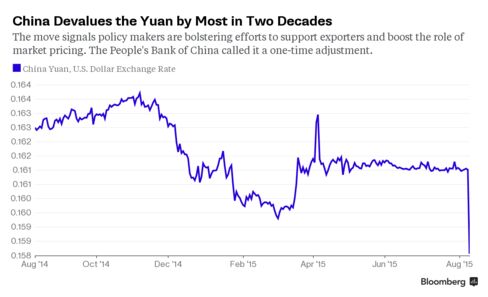
That is kind of surprising actually. Being that he had such a long term view and was playing the far end of the curve. But maybe China changed his mind. If demand softens too much in China I honestly think oil can get down to 25.
Wow. That is a big hit for him. I guess Hall isn't keeping a good number line.

great thanks for sharing that, so can you explain why soybeans have higher vol. This is great information, there are others I am sure that find all of this very interesting even if they don't trade it. Also, do you do correlation analysis among grains, and/or do calendars within the single product. thanks.
Fundamentally, beans have more volatility due to the market dynamics. The US and South America have alternate growing seasons and make up the most of the market. Add political and every other kind of instability to South America, and for at least half the year it seems there is a supply problem / threat of one haha. but seriously, look at the calendar spreads, especially n/x compared to old/new crop calendars in wheat or corn and you'll see why it translates into higher flat price vol. Soybeans are what wheat was many years ago. Also, just as an aside / mini rant....corn and beans have "better" movement than wheat technically because the core fundamentals still work...the delivery process isn't a joke like it is in wheat. Wheat spreads are broken and will be forever imo. Go read up on VSR and certain other "fixes". The worst thing that happened to the wheat market was CME letting Chicago wheat spreads become a joke, and then buying the only 2 other wheat exchanges that worked (KC and Minni).
As far as correlation, we trade almost exclusively calendar spreads in the grains, but also seasonally put on a fair amount of wheat/corn (exchange spread), and have in the past done corn/oats, but thats been 4 or 5 years ago.
Fundamentally, beans have more volatility due to the market dynamics. The US and South America have alternate growing seasons and make up the most of the market. Add political and every other kind of instability to South America, and for at least half the year it seems there is a supply problem / threat of one haha. but seriously, look at the calendar spreads, especially n/x compared to old/new crop calendars in wheat or corn and you'll see why it translates into higher flat price vol. Soybeans are what wheat was many years ago. Also, just as an aside / mini rant....corn and beans have "better" movement than wheat technically because the core fundamentals still work...the delivery process isn't a joke like it is in wheat. Wheat spreads are broken and will be forever imo. Go read up on VSR and certain other "fixes". The worst thing that happened to the wheat market was CME letting Chicago wheat spreads become a joke, and then buying the only 2 other wheat exchanges that worked (KC and Minni).
As far as correlation, we trade almost exclusively calendar spreads in the grains, but also seasonally put on a fair amount of wheat/corn (exchange spread), and have in the past done corn/oats, but thats been 4 or 5 years ago.
great post thanks for the information. Makes sense on the calendar, assuming that the VSR
Variable Storage Rates are alleged to help cash and futures converge. Have some questions on that but will wait a bit till I study up on that. Please add anything else you feel is relevant, I am sure many others are enjoying your line of thinking.