Baron
ET Founder
The theory that a diet with many carbohydrates - and especially a diet with a lot of quickly absorbable carbohydrates - leads to overweight and obesity, is not new. A high carb diet allows fat cells to grow, but ensures that the rest of the body gets less energy. Says that theory. Nutritional scientists from the University of Harvard published a trial in BMJ that suggests that this theory is correct.
Carbs, insulin and body fat
The researchers wanted to test the 'carbohydrate-insulin model', which describes how a diet with a lot of carbohydrates makes humans fat.
"According to this model, the processed carbohydrates that have flooded our lives during the low-fat era have raised insulin levels, driving fat cells to store excessive calories, with fewer calories, hunger increases and metabolism slows - a recipe for weight gain", says research leader Dadid Ludwig in a press release. [sciencedaily.com November 14, 2018]
Study
The researchers experimented with a group of 120 healthy subjects aged 18-65 years. The subjects had a BMI of 25 or higher. Before the real experiment started, the subjects had lost 12 percent of their body weight by a slimming diet. In the 12 weeks that the study lasted, the subjects were given a diet that provided exactly enough kilocalories to maintain their new weight.
The researchers divided the subjects into 3 groups. They gave one group a high carb diet; 60 percent of which consisted of carbohydrates. A second group received a moderate carb diet, with 40 percent of the energy coming from carbohydrates. Finally, a third group received a low carb diet, which consisted of only 20 energy percent of carbohydrates.
In a laboratory, the researchers determined the energy consumption of the test subjects before, during and after the 12 weeks.
Results
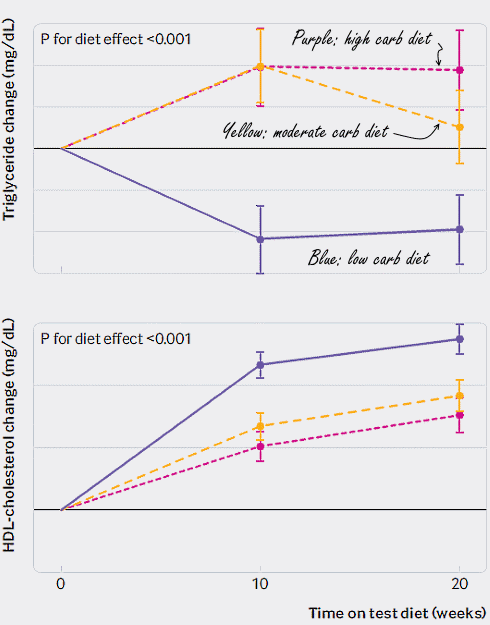
A low carbohydrate diet reduced the concentration of triglycerides in the blood. That is about the same as the concentration of VLDL, the 'worst worst cholesterol'. At the same time, a low-carbohydrate diet increased the 'good cholesterol' HDL.
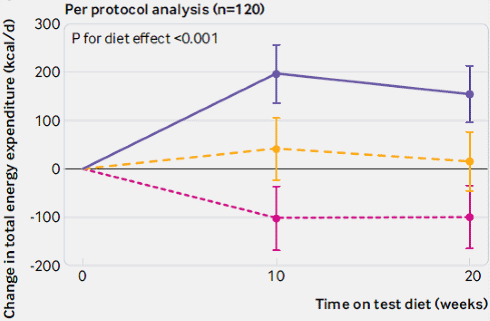
In the low-carb group, calorie consumption increased by 200 kilocalories. In the high-carb group, calorie consumption decreased.
"If this difference persists - and we saw no drop-off during [...] our study - the effect would translate into about a 20-pound [9.1 kilo] weight loss after three years, with no change in calorie intake", says first author Cara Ebbeling. "Our observations challenge the belief that all calories are the same to the body. Our study did not measure hunger and satiety, but other studies suggest that low-carb diets also decrease hunger, which could help with weight loss in the long term."
Insulin
Before the researchers divided the subjects into 3 diet groups, they measured the effect of a portion of glucose on their insulin levels. On the basis of this, they divided the subjects into 3 other groups: a group in which the insulin level hardly reacted to glucose, a group with a moderate response, and a group in which the insulin level rose sharply.
The stronger the insulin level responded, the stronger was the effect of a low-carbohydrate diet on calorie consumption. Click on the figure below for a larger version.

Conclusion
"Dietary composition seems to affect energy expenditure independently of body weight", the researchers write. "A low glycemic load, high fat diet might facilitate weight loss maintenance beyond the conventional focus on restricting energy intake and encouraging physical activity."
"Additional research is warranted to examine the effects of glycemic load on body weight, with control of energy intake. If metabolic benefits of reduced glycemic load diets are confirmed, development of appropriate behavioral and environmental interventions would be necessary for optimal translation to public health."
Source:
BMJ 2018;363:k4583.
Carbs, insulin and body fat
The researchers wanted to test the 'carbohydrate-insulin model', which describes how a diet with a lot of carbohydrates makes humans fat.
"According to this model, the processed carbohydrates that have flooded our lives during the low-fat era have raised insulin levels, driving fat cells to store excessive calories, with fewer calories, hunger increases and metabolism slows - a recipe for weight gain", says research leader Dadid Ludwig in a press release. [sciencedaily.com November 14, 2018]
Study
The researchers experimented with a group of 120 healthy subjects aged 18-65 years. The subjects had a BMI of 25 or higher. Before the real experiment started, the subjects had lost 12 percent of their body weight by a slimming diet. In the 12 weeks that the study lasted, the subjects were given a diet that provided exactly enough kilocalories to maintain their new weight.
The researchers divided the subjects into 3 groups. They gave one group a high carb diet; 60 percent of which consisted of carbohydrates. A second group received a moderate carb diet, with 40 percent of the energy coming from carbohydrates. Finally, a third group received a low carb diet, which consisted of only 20 energy percent of carbohydrates.
In a laboratory, the researchers determined the energy consumption of the test subjects before, during and after the 12 weeks.
Results
A low carbohydrate diet reduced the concentration of triglycerides in the blood. That is about the same as the concentration of VLDL, the 'worst worst cholesterol'. At the same time, a low-carbohydrate diet increased the 'good cholesterol' HDL.
In the low-carb group, calorie consumption increased by 200 kilocalories. In the high-carb group, calorie consumption decreased.
"If this difference persists - and we saw no drop-off during [...] our study - the effect would translate into about a 20-pound [9.1 kilo] weight loss after three years, with no change in calorie intake", says first author Cara Ebbeling. "Our observations challenge the belief that all calories are the same to the body. Our study did not measure hunger and satiety, but other studies suggest that low-carb diets also decrease hunger, which could help with weight loss in the long term."
Insulin
Before the researchers divided the subjects into 3 diet groups, they measured the effect of a portion of glucose on their insulin levels. On the basis of this, they divided the subjects into 3 other groups: a group in which the insulin level hardly reacted to glucose, a group with a moderate response, and a group in which the insulin level rose sharply.
The stronger the insulin level responded, the stronger was the effect of a low-carbohydrate diet on calorie consumption. Click on the figure below for a larger version.

Conclusion
"Dietary composition seems to affect energy expenditure independently of body weight", the researchers write. "A low glycemic load, high fat diet might facilitate weight loss maintenance beyond the conventional focus on restricting energy intake and encouraging physical activity."
"Additional research is warranted to examine the effects of glycemic load on body weight, with control of energy intake. If metabolic benefits of reduced glycemic load diets are confirmed, development of appropriate behavioral and environmental interventions would be necessary for optimal translation to public health."
Source:
BMJ 2018;363:k4583.