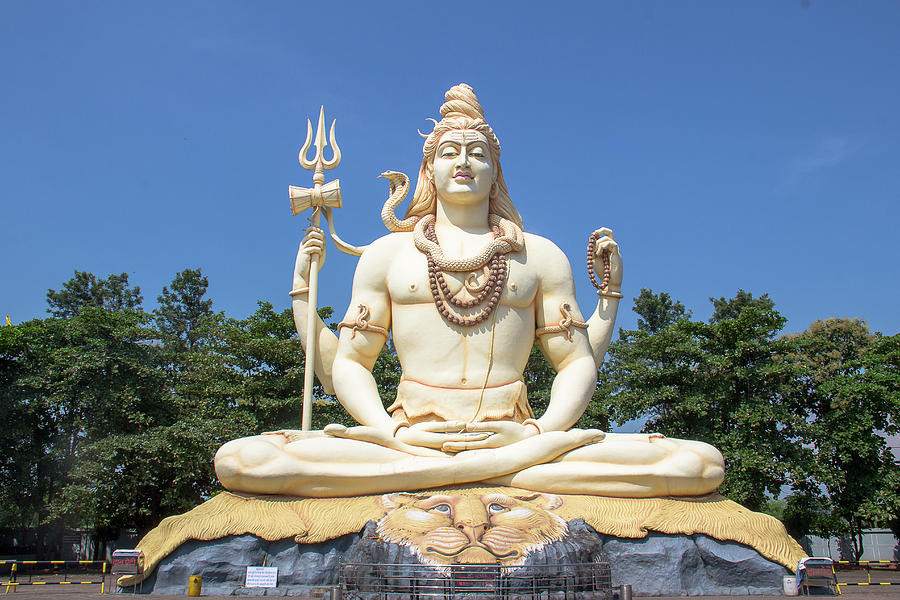
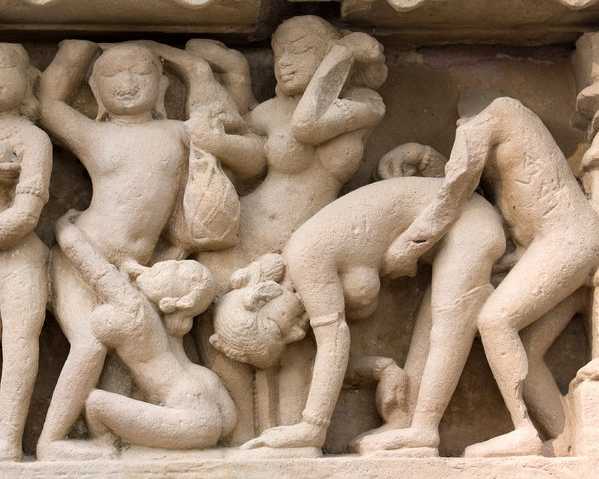
"Under Saturn's rule, humans enjoyed the spontaneous bounty of the earth without labour in the "Golden Age" described by Hesiod and Ovid. He became known as the god of time."
The Roman land preserved the remembrance of a very remote time during which Saturn and Janus reigned on the site of the city before its foundation: the Capitol was called mons Saturnius.[4] The Romans identified Saturn with the Greek Cronus, whose myths were adapted for Latin literature and Roman art. In particular, Cronus's role in the genealogy of the Greek gods was transferred to Saturn. As early as Andronicus (3rd century BCE), Jupiter was called the son of Saturn.[5]
Saturn had two mistresses who represented different aspects of the god. The name of his wife, Ops, the Roman equivalent of Greek Rhea, means "wealth, abundance, resources."[6] The association with Ops is considered a later development, however, as this goddess was originally paired with Consus.[7](p 244) Earlier was Saturn's association with Lua ("destruction, dissolution, loosening"), a goddess who received the bloodied weapons of enemies destroyed in war.[8]
https://en.wikipedia.org/wiki/Saturn_(mythology)
Saturn cult - https://duckduckgo.com/?q=Saturn+cult&t=h_&ia=web

The Roman land preserved the remembrance of a very remote time during which Saturn and Janus reigned on the site of the city before its foundation: the Capitol was called mons Saturnius.[4] The Romans identified Saturn with the Greek Cronus, whose myths were adapted for Latin literature and Roman art. In particular, Cronus's role in the genealogy of the Greek gods was transferred to Saturn. As early as Andronicus (3rd century BCE), Jupiter was called the son of Saturn.[5]
Saturn had two mistresses who represented different aspects of the god. The name of his wife, Ops, the Roman equivalent of Greek Rhea, means "wealth, abundance, resources."[6] The association with Ops is considered a later development, however, as this goddess was originally paired with Consus.[7](p 244) Earlier was Saturn's association with Lua ("destruction, dissolution, loosening"), a goddess who received the bloodied weapons of enemies destroyed in war.[8]
https://en.wikipedia.org/wiki/Saturn_(mythology)
Saturn cult - https://duckduckgo.com/?q=Saturn+cult&t=h_&ia=web