This thread hopes to discuss the participants of the Mini Nikkei futures contract, their intentions and the information value of volume for trades reported in their data feed. It could likely be generalized to any Futures market but my focus is currently on the Mini Nikkei, and by having a specific market we can break down the actual participants based on information available.
I am approaching this from a blank slate of market micro-structure knowledge so will make some assumptions based on books read and terms used when describing the various participants. Any assumptions mare are open for discussion and hopefully we can filter the various opinions to establish a reasonable model of the market.
What We Know
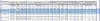
There are two markets - J-NET and Regular. Mini Nikkei allows J-NET trading. This is described as an independent market for a number of different products, including the Mini Nikkei. Both J-NET and Regular volume is reported at the end of the session. J-NET volume appears to be minuscule compared to the regular volume (as reported here - 'Trading Volume by Participant' - http://www.jpx.co.jp/english/markets/derivatives/perticipant-volume/index.html)
Morning and Night Session Volume Reported - Both have significant volume in the regular auction. Morning session is likely less influenced by US Markets.
How is Volume by Participants Reported??
Yesterdays reported total volume was 524706 contracts.
Participant volume for whole day is reported as Buy vs Sell with:
Sell Total = 417243
Buy Total = 414918
Does this mean that participants absorbed a total of 417243 contracts on the Offer, and 414918 contracts on the Bid? Why is this total 832161 > 524706??? Anyone have a clue how this is reported??


Participant Generalizations for understanding Volume Flow
In general it is my understanding that in a futures market we have:
Market Makers (reported as above. Probably HFT algos)
Institutional Traders / Investors (hedging stock portfolios etc)
Speculators (the remaining volume)
Market Makers are getting filled on the inside Bid and Offer and have incentives from the exchange to provide liquidity. They are mainly concerned with making their $$ from exchange incentives and the inside market spread. I assume they get offside sometimes when filled against institutional traders and have some way of offsetting this risk and / or play games in the market to get back onside. Probably no way of wrapping head around their strategies, but when reading volume intraday - they are on one side of the transaction so need to consider their intentions.
Institutional volume is of longer term interest - hedging stock portfolios, economic risks etc. These guys are going to move large volume, and probably responsible for big shifts in the market while getting majorly net long / net short. They surely split their transactions - buy or sell throughout the trading session to build an overall net position.
Speculators are everyone else playing in the market - and on most days are probably responsible for most of the volume getting moved around - getting played by market markets in the process. These are the patterns of puking / stop runs etc we see in the volume reported. Going to assume still that most volume traded is just a leg of a spread against another asset class (Calendar, index spread etc, individual stocks), since that appears to be how most proprietary traders operate - agree / disagree?
That will do for now - lets see if someone can interpret the volume reported and has any more insights to add about who is playing in this market and their intentions. Then we will come up with some theories on price discovery.
I am approaching this from a blank slate of market micro-structure knowledge so will make some assumptions based on books read and terms used when describing the various participants. Any assumptions mare are open for discussion and hopefully we can filter the various opinions to establish a reasonable model of the market.
What We Know
There are two markets - J-NET and Regular. Mini Nikkei allows J-NET trading. This is described as an independent market for a number of different products, including the Mini Nikkei. Both J-NET and Regular volume is reported at the end of the session. J-NET volume appears to be minuscule compared to the regular volume (as reported here - 'Trading Volume by Participant' - http://www.jpx.co.jp/english/markets/derivatives/perticipant-volume/index.html)
Morning and Night Session Volume Reported - Both have significant volume in the regular auction. Morning session is likely less influenced by US Markets.
How is Volume by Participants Reported??
Yesterdays reported total volume was 524706 contracts.
Participant volume for whole day is reported as Buy vs Sell with:
Sell Total = 417243
Buy Total = 414918
Does this mean that participants absorbed a total of 417243 contracts on the Offer, and 414918 contracts on the Bid? Why is this total 832161 > 524706??? Anyone have a clue how this is reported??
Participant Generalizations for understanding Volume Flow
In general it is my understanding that in a futures market we have:
Market Makers (reported as above. Probably HFT algos)
Institutional Traders / Investors (hedging stock portfolios etc)
Speculators (the remaining volume)
Market Makers are getting filled on the inside Bid and Offer and have incentives from the exchange to provide liquidity. They are mainly concerned with making their $$ from exchange incentives and the inside market spread. I assume they get offside sometimes when filled against institutional traders and have some way of offsetting this risk and / or play games in the market to get back onside. Probably no way of wrapping head around their strategies, but when reading volume intraday - they are on one side of the transaction so need to consider their intentions.
Institutional volume is of longer term interest - hedging stock portfolios, economic risks etc. These guys are going to move large volume, and probably responsible for big shifts in the market while getting majorly net long / net short. They surely split their transactions - buy or sell throughout the trading session to build an overall net position.
Speculators are everyone else playing in the market - and on most days are probably responsible for most of the volume getting moved around - getting played by market markets in the process. These are the patterns of puking / stop runs etc we see in the volume reported. Going to assume still that most volume traded is just a leg of a spread against another asset class (Calendar, index spread etc, individual stocks), since that appears to be how most proprietary traders operate - agree / disagree?
That will do for now - lets see if someone can interpret the volume reported and has any more insights to add about who is playing in this market and their intentions. Then we will come up with some theories on price discovery.