
You are using an out of date browser. It may not display this or other websites correctly.
You should upgrade or use an alternative browser.
You should upgrade or use an alternative browser.
Meet The Experts: Gianni The Greek | Sports Betting
- Thread starter Sekiyo
- Start date


It isn't presented in a form of question, so the topic should be in off topic.
(or psychology, tho on second thought, i might be wrong on this one)
No rationale in idea of sport betting, if one knows how to make money with trading/investing.
(unless it's only a pure hobby)
I have heard saying Warren, Dalio, Lynch, Mark that they're long on bulls, but it wasn't Chicago Bulls.
Mark Cuban bets on sports... By buying out the whole team as investment (?)
Too many variables in sports game. If a person can't understand that, then it's a matter of IQ.(?)
(unless, someone is the host, he who owns the betting business itself, sort of casino,then the odds is in - one's favor & yet still, might get troubles, with people like UFC Founder Dana, who plays better than casino
https://www.realmoneyaction.com/ufc-dana-white-blackjack-banned/)
(or psychology, tho on second thought, i might be wrong on this one)
No rationale in idea of sport betting, if one knows how to make money with trading/investing.
(unless it's only a pure hobby)
I have heard saying Warren, Dalio, Lynch, Mark that they're long on bulls, but it wasn't Chicago Bulls.
Mark Cuban bets on sports... By buying out the whole team as investment (?)
Too many variables in sports game. If a person can't understand that, then it's a matter of IQ.(?)
(unless, someone is the host, he who owns the betting business itself, sort of casino,then the odds is in - one's favor & yet still, might get troubles, with people like UFC Founder Dana, who plays better than casino
https://www.realmoneyaction.com/ufc-dana-white-blackjack-banned/)
Last edited:
It's not a question, so the topic should be in off topic.
(or psychology)
No rationale in idea of sport betting, if one knows how to make money with trading/investing.
I have heard saying Warren, Dalio, Lynch, Mark that they're long on bulls, but it wasn't Chicago Bulls.
Mark Cuban bets on sports... By buying out the whole team as investment (?)
Too many variables in sports game. If a person can't understand that, then it's a matter of IQ.(?)
(unless, someone is the host, he who owns the betting business itself, sort of casino,the the odds is in your favor ?)
I have not asked to share gibberish like yours.
You’re definitely off topic.
That's a very well thought and intelligent reply.I have not asked to share gibberish like yours.
You’re definitely off topic.
That's a very well thought and intelligent reply.
Listen buddy,
You’ve not even watched the video.
You don’t seem to know what you talk about,
And you behave like a clown not even funny.
I consider your feedback as noisy and irrespective.
Ciao.

Gianni should lay off the coke and redbulls for a while though.
Reading Poker Winners are different
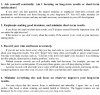
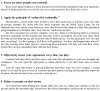
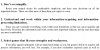
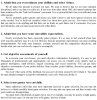
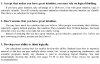
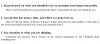
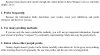
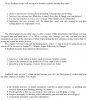
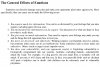
Here are some quotes and screenshots :
Because there are so many unknowns it’s impossible to make +EV only bets. Even the greatest player often misread situations and make -EV bets.
The more you know and the less they know,
The lower your risk and the greater your reward.
Learn your opponent situations and intentions
Conceal your own situation and intentions.
If you can read your opponent faster and better then you will have the best of it.
If everyone knows something then it has hardly any value.
“Getting the best of it” means discovering or creating situations in which you have an edge, a positive expectation (+EV). “Making the most of it” means acting decisively to get the full value from that edge.
The less information you have, the higher your risks and the lower your rewards.
The more information your opponents have, the higher your risks and the lower your rewards.
Get the best of it by acquiring more information, processing it well, and transmitting only the information they want opponents to have.
Make the most of it by acting decisively.
Since winners want to maximize their edge, they focus on topics that increase it, and they pay little attention to everything else. Losers don’t control their focus, wasting time and energy on subjects that don’t affect profits.
Since their long-term profits will be approximately equal to the total EV of their decisions, they focus on making good decisions. They will even make short-term sacrifices of chips, time, and comfort to increase their ultimate profits. For example, they invest time and money in developing their skills and deliberately misplay occasional hands to create an image or set a trap.
Winners want suckers to keep making–EV plays because their bad decisions increase the winners’ EV and long-term profits.
They constantly think in terms of EV. They would like to win this hand, of course, but winning it is much less important than maximizing their EV. If they can get a favorable expectation, they know they must ultimately win.
Poker is all about picking on the weak. It may be weak hands, weak players, or just weak play.
Since your power depends on how your cards, skill, position, and so on, compare to those of the other players, you have to focus on them. The information you should get about them can be divided into three time periods: short term, long term, and intermediate term.
“The most common way to read hands is to analyze the meaning of an opponent’s check, bet, or raise, and then to consider the plays he has made throughout the hand, along with the exposed cards.”
“Any mannerism which helps you determine the secrets of an opponent’s hand is called a tell.”
Many losers don’t look at their opponents, or they look to their right to see what opponents have done. Winners look left to learn the intentions of the people behind them. They apply a simple principle: the earlier information is received and the fewer people who have it, the more valuable it is.
If you know their intentions, you can make much better decisions.
In top-class poker you will encounter many players who, after each session, go home and write down everything they’ve seen at the table.... There are players with enormous written notebooks on the habits of hundreds of other players.
If you select the wrong information, mistakes are inevitable. If you try to process too much information, you will become confused and indecisive, a prescription for disaster.
Some of the winners’ edge comes from avoiding the “magic formula trap,” recognizing that poker is complicated and situational and being willing and able to consider complex information.
In addition to considering more variables than most people do, winners adjust their priorities to fit the situation. Sometimes, position is the most important factor. Sometimes, stack sizes are critically important, but they can be almost irrelevant. The number of opponents and their styles and skills are more important in some situations than in others. Winners constantly ask themselves, What do I need to know now?
Most poker books deal with hands in isolation, but we constantly relate this hand to everything that has come before and will come after.
Most books recommend the right way to play these cards in this position on this street against certain kinds of players. That approach works fine except against the tough, observant, and deceptive players you’ll find in high-stakes games.... They would quickly read you accurately, then give you hardly any action on your good hands, and take you off your weak and marginal ones.
You can’t be a long-term winner if you don’t know how to lose. You must not get too upset by bad cards, bad beats, losing nights, and long losing streaks. Doyle Brunson and Dan Negreanu, two great players, have publicly admitted that they have been broke several times. Do what they and other winners do: shrug off the losses, focus on your own play, correct your mistakes, and play your best, even when your luck has been terrible.
Tight aggressive.
They taught me to wait until I had a good hand and then to attack with it. Most opponents played too many hands, calling with almost anything, but rarely raising. They played good hands almost the same as bad ones.
Selective aggression is poker’s strategic cornerstone. Instead of wasting their chips by doing a little of this, that, and the other thing, winners wait until they have the best of it and then attack fiercely to make the most of it.
For many games, selective aggression is the only winning style. It reduces losses on weak hands because you fold them quickly. It protects you against drawouts and increases the profits on your strong hands because you bet and raise when others would just check or call. Both folding and raising are decisive, while checking and calling are often procrastination, ways to avoid acting decisively.
Many talented people...fail simply because they could not leave a loser when they no longer had the best of it.
Here are some quotes and screenshots :
Because there are so many unknowns it’s impossible to make +EV only bets. Even the greatest player often misread situations and make -EV bets.
The more you know and the less they know,
The lower your risk and the greater your reward.
Learn your opponent situations and intentions
Conceal your own situation and intentions.
If you can read your opponent faster and better then you will have the best of it.
If everyone knows something then it has hardly any value.
“Getting the best of it” means discovering or creating situations in which you have an edge, a positive expectation (+EV). “Making the most of it” means acting decisively to get the full value from that edge.
The less information you have, the higher your risks and the lower your rewards.
The more information your opponents have, the higher your risks and the lower your rewards.
Get the best of it by acquiring more information, processing it well, and transmitting only the information they want opponents to have.
Make the most of it by acting decisively.
Since winners want to maximize their edge, they focus on topics that increase it, and they pay little attention to everything else. Losers don’t control their focus, wasting time and energy on subjects that don’t affect profits.
Since their long-term profits will be approximately equal to the total EV of their decisions, they focus on making good decisions. They will even make short-term sacrifices of chips, time, and comfort to increase their ultimate profits. For example, they invest time and money in developing their skills and deliberately misplay occasional hands to create an image or set a trap.
Winners want suckers to keep making–EV plays because their bad decisions increase the winners’ EV and long-term profits.
They constantly think in terms of EV. They would like to win this hand, of course, but winning it is much less important than maximizing their EV. If they can get a favorable expectation, they know they must ultimately win.
Poker is all about picking on the weak. It may be weak hands, weak players, or just weak play.
Since your power depends on how your cards, skill, position, and so on, compare to those of the other players, you have to focus on them. The information you should get about them can be divided into three time periods: short term, long term, and intermediate term.
“The most common way to read hands is to analyze the meaning of an opponent’s check, bet, or raise, and then to consider the plays he has made throughout the hand, along with the exposed cards.”
“Any mannerism which helps you determine the secrets of an opponent’s hand is called a tell.”
Many losers don’t look at their opponents, or they look to their right to see what opponents have done. Winners look left to learn the intentions of the people behind them. They apply a simple principle: the earlier information is received and the fewer people who have it, the more valuable it is.
If you know their intentions, you can make much better decisions.
In top-class poker you will encounter many players who, after each session, go home and write down everything they’ve seen at the table.... There are players with enormous written notebooks on the habits of hundreds of other players.
If you select the wrong information, mistakes are inevitable. If you try to process too much information, you will become confused and indecisive, a prescription for disaster.
Some of the winners’ edge comes from avoiding the “magic formula trap,” recognizing that poker is complicated and situational and being willing and able to consider complex information.
In addition to considering more variables than most people do, winners adjust their priorities to fit the situation. Sometimes, position is the most important factor. Sometimes, stack sizes are critically important, but they can be almost irrelevant. The number of opponents and their styles and skills are more important in some situations than in others. Winners constantly ask themselves, What do I need to know now?
Most poker books deal with hands in isolation, but we constantly relate this hand to everything that has come before and will come after.
Most books recommend the right way to play these cards in this position on this street against certain kinds of players. That approach works fine except against the tough, observant, and deceptive players you’ll find in high-stakes games.... They would quickly read you accurately, then give you hardly any action on your good hands, and take you off your weak and marginal ones.
You can’t be a long-term winner if you don’t know how to lose. You must not get too upset by bad cards, bad beats, losing nights, and long losing streaks. Doyle Brunson and Dan Negreanu, two great players, have publicly admitted that they have been broke several times. Do what they and other winners do: shrug off the losses, focus on your own play, correct your mistakes, and play your best, even when your luck has been terrible.
Tight aggressive.
They taught me to wait until I had a good hand and then to attack with it. Most opponents played too many hands, calling with almost anything, but rarely raising. They played good hands almost the same as bad ones.
Selective aggression is poker’s strategic cornerstone. Instead of wasting their chips by doing a little of this, that, and the other thing, winners wait until they have the best of it and then attack fiercely to make the most of it.
For many games, selective aggression is the only winning style. It reduces losses on weak hands because you fold them quickly. It protects you against drawouts and increases the profits on your strong hands because you bet and raise when others would just check or call. Both folding and raising are decisive, while checking and calling are often procrastination, ways to avoid acting decisively.
Many talented people...fail simply because they could not leave a loser when they no longer had the best of it.
Attachments
-
 F0222E66-5DDB-4204-BD8F-580BCF27BDBA.jpeg655.2 KB · Views: 13
 -
 E541B1C3-6B5E-4AE3-96DD-D09A2064C1F0.jpeg693.1 KB · Views: 10
 -
 D847603E-5056-4D1C-9068-185B3992B5FB.jpeg290.1 KB · Views: 10
 -
 2BD8F222-746C-4931-96A0-E6C9D9FBD3D0.jpeg775.7 KB · Views: 13
 -
 6C0AE8CC-95E4-461E-852D-CD0A8A61FB21.jpeg443.7 KB · Views: 12
 -
 69AF9E91-539D-4E45-9F1C-A0C25B58A013.jpeg206.7 KB · Views: 13
 -
 F8F922BD-0590-4518-BFBF-3AB03A66DF6B.jpeg267.9 KB · Views: 8
 -
 AD4F5DC0-90FC-4750-9DF8-824518FDADF0.jpeg617.2 KB · Views: 9
 -
 22A36BD6-3BF5-4EA8-B5E4-03B1882EC127.jpeg455.2 KB · Views: 7
Last edited:
Always try to get the best of it and to make the most of it.
Be extremely focused on long-term results. Nearly ignore short-term rewards and punishments.
Focus completely on what must be done here and now to get the best long- term results.
Focus entirely on power and ignore luck, morality, personal relationships, and so on.
Focus on other people, not yourself.
Try to consider every important factor, including the ones you dislike thinking about.
Be brutally realistic. Work hard to prevent wishes and biases from distorting perceptions.
Always emphasize logic. Never just “trust instincts.”
Prepare extremely thoroughly. Try to anticipate contingencies and to make plans to deal with all of them.
Always concentrate intensely.
Be exceptionally good at using feedback loops. Always regard the first conclusion as tentative, actively seek contradictory information, and never reject alternatives just because “I have the courage of my convictions”.
Know and accept the rules completely as it is, and accept full responsibility for the results.
Never take conflicts personally or get angry about them.
Picking the right opportunities. Be very selectively aggressive. No edge, No play.
Attacking hard under an edge. When under an edge, maximize its value by attacking ferociously.
Push much harder when winning than when losing.
Recognizing the need to change. Be exceptionally good at recognizing the need to change.
Adjusting quickly and effectively. After seeing the need to change, be exceptionally good at adjusting quickly and effectively.
Your attitude toward paying dues. Completely accept that dues have to be paid.
Your knowledge and ability to pay your dues. Know what the dues are, and if you can pay them.
Be extremely focused on long-term results. Nearly ignore short-term rewards and punishments.
Focus completely on what must be done here and now to get the best long- term results.
Focus entirely on power and ignore luck, morality, personal relationships, and so on.
Focus on other people, not yourself.
Try to consider every important factor, including the ones you dislike thinking about.
Be brutally realistic. Work hard to prevent wishes and biases from distorting perceptions.
Always emphasize logic. Never just “trust instincts.”
Prepare extremely thoroughly. Try to anticipate contingencies and to make plans to deal with all of them.
Always concentrate intensely.
Be exceptionally good at using feedback loops. Always regard the first conclusion as tentative, actively seek contradictory information, and never reject alternatives just because “I have the courage of my convictions”.
Know and accept the rules completely as it is, and accept full responsibility for the results.
Never take conflicts personally or get angry about them.
Picking the right opportunities. Be very selectively aggressive. No edge, No play.
Attacking hard under an edge. When under an edge, maximize its value by attacking ferociously.
Push much harder when winning than when losing.
Recognizing the need to change. Be exceptionally good at recognizing the need to change.
Adjusting quickly and effectively. After seeing the need to change, be exceptionally good at adjusting quickly and effectively.
Your attitude toward paying dues. Completely accept that dues have to be paid.
Your knowledge and ability to pay your dues. Know what the dues are, and if you can pay them.