
You are using an out of date browser. It may not display this or other websites correctly.
You should upgrade or use an alternative browser.
You should upgrade or use an alternative browser.
Let's put this fire out w/gasoline
- Thread starter Cuddles
- Start date


Was Pence "cover" under oath? It's been so long I can't remember.
Mike Pence was just seen running home to Mother.
Whaaa....The special prosecutor is investigating cooperation between a foreign power and persons in the Trump campaign and getting helpful testimony from witnesses? How can this be? I was promised by people in this very thread that it was all a fishing expedition!
Whaaa....The special prosecutor is investigating cooperation between a foreign power and persons in the Trump campaign and getting helpful testimony from witnesses? How can this be? I was promised by people in this very thread that it was all a fishing expedition!
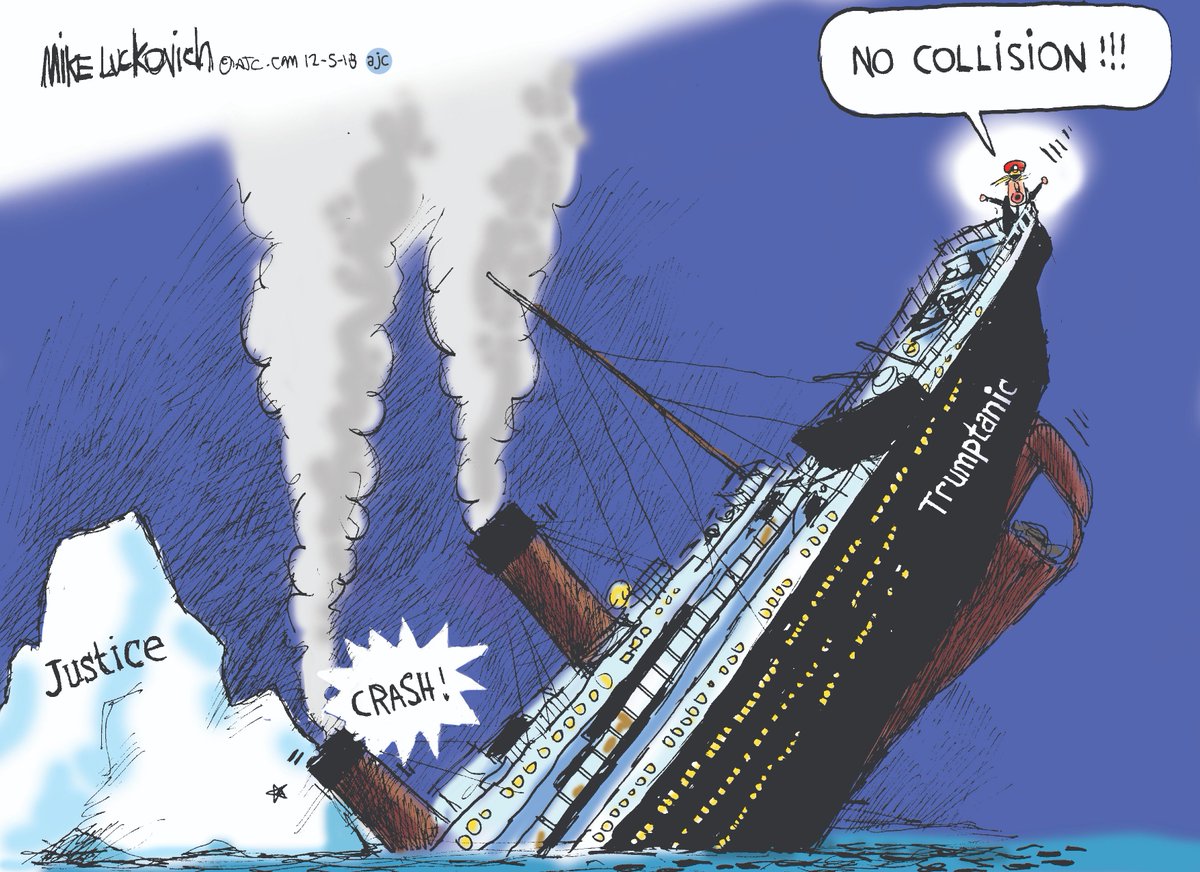
Whaaa....The special prosecutor is investigating cooperation between a foreign power and persons in the Trump campaign and getting helpful testimony from witnesses? How can this be? I was promised by people in this very thread that it was all a fishing expedition!
Oh, Mueller is still trying to get something on Trump. No one doubts that.
Looks like the Flynn prosecution on "collusion" went flaccid and also let Roger Stone know that not having colluded will not save you if you allow yourself to even start trying to talk your way out of it, so he has plead the fifth. Of course, some FBI folks have too, but I digress.
But he squeezed him on perjury even though Comey, McCabe, and Strzok all testified before Congress that the investigators of Flynn did not believe he was lying about anything. Plus, the intercepted texts with Lisa showed Strzok saying that again.
So, Mueller being the witchhunter he is went after Flynn's son for something and then got Flynn to plead to something he didnt do- as confirmed by the investigators- in return for leaving the son alone, and because Flynn had already sold his house to pay for his witchhunting legal expenses. This is what it looks like when someone wins an election that was not pre-approved by the FBI.
"The defendant’s crime was serious. He withheld information material to the investigations of Russian interference in the 2016 U.S. presidential election being conducted by the Senate Select Committee on Intelligence (“SSCI”), the House Permanent Select Committee on Intelligence (“HPSCI”), and the SCO. The defendant lied to Congress about a business project (the “Moscow Project”) that he worked on during the 2016 presidential campaign, while he served as Executive Vice President at a Manhattan-based real estate company (the “Company”) and as Special Counsel to the owner of the Company (“Individual 1”). The defendant admitted he told these lies—which he made publicly and in submissions to Congress—in order to (1) minimize links between the Moscow Project and Individual 1 and (2) give the false impression that the Moscow Project had ended before the Iowa caucus and the first presidential primaries, in hopes of limiting the ongoing
Russia investigations being conducted by Congress and the SCO."
Offense Conduct
The defendant’s offense conduct is set forth in the Information and the Presentence Investigation Report (PSR). We underscore particular facts for purposes of sentencing. The defendant’s lies to Congress were deliberate and premeditated. His false statements did not spring spontaneously from a line of examination or heated colloquy during a congressional hearing. They started in a written submission that he chose to provide to both houses of Congress ahead of his appearances. These circumstances show a deliberate effort to use his lies as a way to set the tone and shape the course of the hearings in an effort to stymie the inquiries. The defendant amplified his false statements by releasing and repeating his lies to the public, including to other potential witnesses. The defendant was scheduled to appear before both intelligence committees in closed sessions. Prior to testifying, the defendant made a public appearance at the U.S. Capitol and released his prepared opening statement, which falsely claimed that the Moscow Project “was terminated in January of 2016[,] which occurred before the Iowa caucus and months before the very first primary.” By publicly presenting this false narrative, the defendant deliberately shifted the timeline of what had occurred in the hopes of limiting the investigations into possible Russian interference in the 2016 U.S. presidential election—an issue of heightened national interest.
The defendant’s false statements obscured the fact that the Moscow Project was a lucrative business opportunity that sought, and likely required, the assistance of the Russian government. If the project was completed, the Company could have received hundreds of millions of dollars from Russian sources in licensing fees and other revenues. The fact that Cohen continued to work on the project and discuss it with Individual 1 well into the campaign was material to the ongoing congressional and SCO investigations, particularly because it occurred at a time of sustained efforts by the Russian government to interfere with the U.S. presidential election. Similarly, it was material that Cohen, during the campaign, had a substantive telephone call about the project with an assistant to the press secretary for the President of Russia.
The defendant’s false statements to Congress began in approximately late August 2017, when he submitted his written statement about the Moscow Project to SSCI and HPSCI. His false statements continued through his oral testimony before the committees in October 2017. And when Cohen first met with the SCO in August 2018, he repeated many of his prior false statements about the circumstances of the Moscow Project.1 Only when the defendant met with the SCO a second time on September 12, 2018—after he had pled guilty in United States v. Cohen, 18-cr-602 (WHP)—did the defendant admit that his prior statements about the Moscow Project had been deliberately false and misleading.
https://www.courtlistener.com/recap/...05539.15.0.pdf
Russia investigations being conducted by Congress and the SCO."
Offense Conduct
The defendant’s offense conduct is set forth in the Information and the Presentence Investigation Report (PSR). We underscore particular facts for purposes of sentencing. The defendant’s lies to Congress were deliberate and premeditated. His false statements did not spring spontaneously from a line of examination or heated colloquy during a congressional hearing. They started in a written submission that he chose to provide to both houses of Congress ahead of his appearances. These circumstances show a deliberate effort to use his lies as a way to set the tone and shape the course of the hearings in an effort to stymie the inquiries. The defendant amplified his false statements by releasing and repeating his lies to the public, including to other potential witnesses. The defendant was scheduled to appear before both intelligence committees in closed sessions. Prior to testifying, the defendant made a public appearance at the U.S. Capitol and released his prepared opening statement, which falsely claimed that the Moscow Project “was terminated in January of 2016[,] which occurred before the Iowa caucus and months before the very first primary.” By publicly presenting this false narrative, the defendant deliberately shifted the timeline of what had occurred in the hopes of limiting the investigations into possible Russian interference in the 2016 U.S. presidential election—an issue of heightened national interest.
The defendant’s false statements obscured the fact that the Moscow Project was a lucrative business opportunity that sought, and likely required, the assistance of the Russian government. If the project was completed, the Company could have received hundreds of millions of dollars from Russian sources in licensing fees and other revenues. The fact that Cohen continued to work on the project and discuss it with Individual 1 well into the campaign was material to the ongoing congressional and SCO investigations, particularly because it occurred at a time of sustained efforts by the Russian government to interfere with the U.S. presidential election. Similarly, it was material that Cohen, during the campaign, had a substantive telephone call about the project with an assistant to the press secretary for the President of Russia.
The defendant’s false statements to Congress began in approximately late August 2017, when he submitted his written statement about the Moscow Project to SSCI and HPSCI. His false statements continued through his oral testimony before the committees in October 2017. And when Cohen first met with the SCO in August 2018, he repeated many of his prior false statements about the circumstances of the Moscow Project.1 Only when the defendant met with the SCO a second time on September 12, 2018—after he had pled guilty in United States v. Cohen, 18-cr-602 (WHP)—did the defendant admit that his prior statements about the Moscow Project had been deliberately false and misleading.
https://www.courtlistener.com/recap/...05539.15.0.pdf
Assistance with the SCO’s Investigation
Pursuant to the plea agreement, the Government agreed to bring to the Court’s attention at sentencing in this matter and in United States v. Cohen, 18-cr-602 (WHP), the nature and extent of the defendant’s assistance to the SCO. The defendant has provided, and has committed to continue to provide, relevant and truthful information to the SCO in an effort to assist with the investigation. The defendant has met with the SCO for seven proffer sessions, many of them lengthy, and continues to make himself available to investigators. His statements beginning with the second meeting with the SCO have been credible, and he has taken care not to overstate his knowledge or the role of others in the conduct under investigation. The defendant’s assistance has been useful in four significant respects. First, the defendant provided information about his own contacts with Russian interests during the campaign and discussions with others in the course of making those contacts. For example, and as described above, the defendant provided a detailed account of his involvement and the involvement of others in the Moscow Project, and also corrected the record concerning his outreach to the Russian government during the week of the United Nations General Assembly. The defendant also provided information about attempts by other Russian nationals to reach the campaign. For example, in or around November 2015, Cohen received the contact information for, and spoke with, a Russian national who claimed to be a “trusted person” in the Russian Federation who could offer the campaign “political synergy” and “synergy on a government level.” The defendant recalled that this person repeatedly proposed a meeting between Individual 1 and the President of Russia. The person told Cohen that such a meeting could have a “phenomenal” impact “not only in political but in a business dimension as well,” referring to the Moscow Project, because there is “no bigger warranty in any project than consent of [the President of Russia].” Cohen, however, did not follow up on this invitation.3
Second, Cohen provided the SCO with useful information concerning certain discrete Russia-related matters core to its investigation that he obtained by virtue of his regular contact with Company executives during the campaign.
Third, Cohen provided relevant and useful information concerning his contacts with persons connected to the White House during the 2017–2018 time period.
Fourth, Cohen described the circumstances of preparing and circulating his response to the congressional inquiries, while continuing to accept responsibility for the false statements contained within it.
Pursuant to the plea agreement, the Government agreed to bring to the Court’s attention at sentencing in this matter and in United States v. Cohen, 18-cr-602 (WHP), the nature and extent of the defendant’s assistance to the SCO. The defendant has provided, and has committed to continue to provide, relevant and truthful information to the SCO in an effort to assist with the investigation. The defendant has met with the SCO for seven proffer sessions, many of them lengthy, and continues to make himself available to investigators. His statements beginning with the second meeting with the SCO have been credible, and he has taken care not to overstate his knowledge or the role of others in the conduct under investigation. The defendant’s assistance has been useful in four significant respects. First, the defendant provided information about his own contacts with Russian interests during the campaign and discussions with others in the course of making those contacts. For example, and as described above, the defendant provided a detailed account of his involvement and the involvement of others in the Moscow Project, and also corrected the record concerning his outreach to the Russian government during the week of the United Nations General Assembly. The defendant also provided information about attempts by other Russian nationals to reach the campaign. For example, in or around November 2015, Cohen received the contact information for, and spoke with, a Russian national who claimed to be a “trusted person” in the Russian Federation who could offer the campaign “political synergy” and “synergy on a government level.” The defendant recalled that this person repeatedly proposed a meeting between Individual 1 and the President of Russia. The person told Cohen that such a meeting could have a “phenomenal” impact “not only in political but in a business dimension as well,” referring to the Moscow Project, because there is “no bigger warranty in any project than consent of [the President of Russia].” Cohen, however, did not follow up on this invitation.3
Second, Cohen provided the SCO with useful information concerning certain discrete Russia-related matters core to its investigation that he obtained by virtue of his regular contact with Company executives during the campaign.
Third, Cohen provided relevant and useful information concerning his contacts with persons connected to the White House during the 2017–2018 time period.
Fourth, Cohen described the circumstances of preparing and circulating his response to the congressional inquiries, while continuing to accept responsibility for the false statements contained within it.
Well.. I will admit this is amusing.
Mike Pence was just seen running home to Mother.
Mother doesn't like to see her husband with other women , and Pence is not about to give up his boy.
Mike Pence’s chief of staff Nick Ayers refused to take Kelly’s place because he wouldn’t commit to 2 years

Republican chief of staff Nick Ayers refused to be the replacement for Gen. John Kelly, who plans to leave the White House at the end of the year.
According to CNN’s Kaitlan Collins, Ayers wouldn’t commit to working for two full years with the White House. Because the president and Ayers couldn’t agree on a timeline, negotiations have failed.