
You are using an out of date browser. It may not display this or other websites correctly.
You should upgrade or use an alternative browser.
You should upgrade or use an alternative browser.
House of If You Can Draw A Straight Line
- Thread starter dbphoenix
- Start date
- Status
- Not open for further replies.

My opening gambit ...
EDIT: My short entry was a bit late - don't give me too hard of a time, DbPhoenix
EDIT: Keeping stop at 81 on my swing position. I'll move it down as levels fail to hold. Intention to let it run until trail hit or the EOD.
EDIT: My short entry was a bit late - don't give me too hard of a time, DbPhoenix
EDIT: Keeping stop at 81 on my swing position. I'll move it down as levels fail to hold. Intention to let it run until trail hit or the EOD.
Attachments


Last edited:
EDIT: Keeping stop at 81 on my swing position. I'll move it down as levels fail to hold. Intention to let it run until trail hit or the EOD.
Took some more at 63, stop on remaining at 81.
Here are the levels I prepared based on the market's recent activity. The first chart was how it looked prior to the open of NY, and the second chart was updated a few minutes ago. I trail stops above prior failed levels.
Attachments
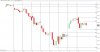
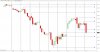
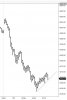
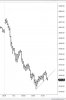
Let's see where it goes ...
Retrace
Attachments
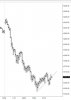
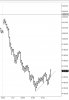
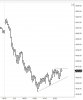
I'm now flat - but don't let that make you think the selling is over. It might be, but you need to listen to the market, and not me A very good friend of mine who moved away last year is coming in today around lunch time, so I will be off line more or less until Friday. Best to everyone's studies and trading.
A very good friend of mine who moved away last year is coming in today around lunch time, so I will be off line more or less until Friday. Best to everyone's studies and trading.Attachments
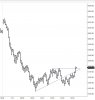
4185 was the half way point.
If one stops casting every movement in terms of eager buyers and crafty sellers, he may find it easier to focus on price movement rather than the drama behind it. Granted I'm guilty of this myself. It makes the trading more fun. But it can't be allowed to interfere with trading decisions, not unlike pilots who kid around when there's nothing to do but watch the plane fly itself but who snap to when the need arises.
The business of traders is trading. Whether buyer or seller or short-seller, everybody's looking for a trade. Buyers don't try to "push" price higher, even though it seems that way; they are merely paying the ask, and if sellers quote the ask at ever-higher prices, buyers aren't "pushing" anything, they're just paying the ask. And if sellers can't find any buyers to take the ask, they have to lower their prices in order to get rid of whatever it is they're trying to get rid of. So price turns.
Unless buyers are stupid, and many of them are, they don't want to pay high prices for something unless they're convinced -- or have convinced themselves -- that they can sell it later at a higher price. On the other hand, sellers don't want to take any less than they're asking. So to say that sellers want price to fall and buyers want price to rise makes no sense, unless you're the sort who goes to the grocery store and wishes that bananas were more expensive (if you own shares in a banana plantation, sure; otherwise, no). Go check out some garage sales this weekend and see how many buyers push the sellers into taking more money than they've asked for.
Therefore, rather than look at this as buyers and sellers, look at it in terms of "traders" and focus primarily or even exclusively on price movement. The buyer/seller thing can be addressed later.
Me
The business of traders is trading. Whether buyer or seller or short-seller, everybody's looking for a trade. Buyers don't try to "push" price higher, even though it seems that way; they are merely paying the ask, and if sellers quote the ask at ever-higher prices, buyers aren't "pushing" anything, they're just paying the ask. And if sellers can't find any buyers to take the ask, they have to lower their prices in order to get rid of whatever it is they're trying to get rid of. So price turns.
Unless buyers are stupid, and many of them are, they don't want to pay high prices for something unless they're convinced -- or have convinced themselves -- that they can sell it later at a higher price. On the other hand, sellers don't want to take any less than they're asking. So to say that sellers want price to fall and buyers want price to rise makes no sense, unless you're the sort who goes to the grocery store and wishes that bananas were more expensive (if you own shares in a banana plantation, sure; otherwise, no). Go check out some garage sales this weekend and see how many buyers push the sellers into taking more money than they've asked for.
Therefore, rather than look at this as buyers and sellers, look at it in terms of "traders" and focus primarily or even exclusively on price movement. The buyer/seller thing can be addressed later.
Me
- Status
- Not open for further replies.