

Get Ready for Huge Obamacare Premium Hikes in 2017
http://www.thefiscaltimes.com/2016/04/21/Get-Ready-Huge-Obamacare-Premium-Hikes-2017
© Mike Segar / Reuters
Amid rising drug and health care costs and roiling market dynamics, the spokesperson for the nation’s health insurers is predicting substantial increases next year in Obamacare premiums and related costs.
Without venturing a specific percentage increase, Marilyn Tavenner, the president and CEO of America’s Health Insurance Plans (AHIP), said in an interview with Morning Consult that the culmination of market shifts and rising health care costs will force stark increases in health insurance rates in the coming year.
“I’ve been asked, what are the premiums going to look like?” she said. “I don’t know because it also varies by state, market, even within markets. But I think the overall trend is going to be higher than we saw previous years. That’s my big prediction.”
If Tavenner is right, Obamacare will jump dramatically—last year’s premium for the popular silver-level plan surged 11 percent on average. Although Tavenner didn’t mention deductibles, in 2016, some states saw jumps of 76 percent, while the average deductible for a 27-year-old male on a silver plan was 8 percent.
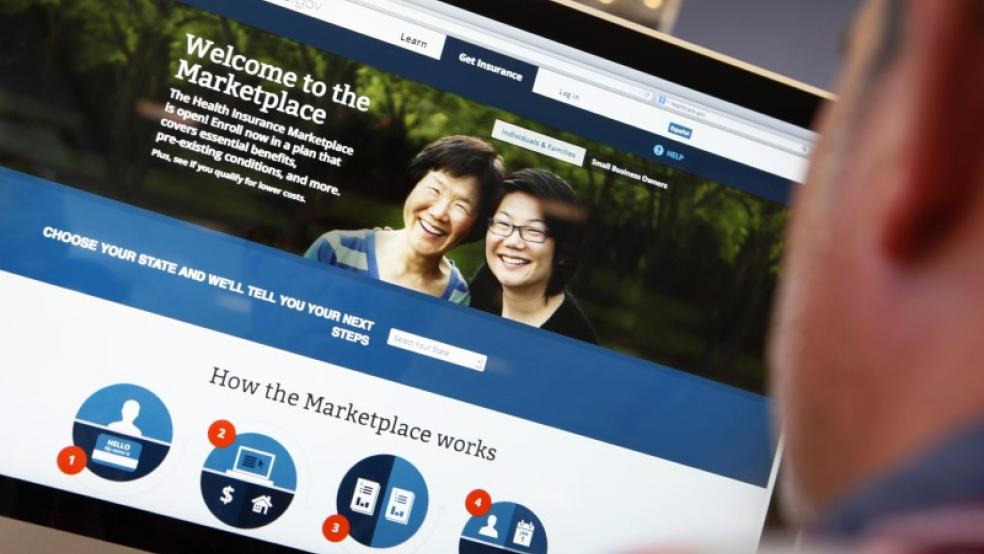
The warning to consumers from Tavenner, the former administration official who headed the Center for Medicare and Medicaid Services (CMS) and oversaw the disastrous launch of HealthCare.gov, the Obamacare website, comes at a time of growing uncertainty about the evolving makeup of the Obamacare health insurance market. With many insurers struggling to find profitability in the program, the collapse of nearly half of the 23 Obamacare insurance co-ops and this week’s announcement that giant UnitedHealth Group intends to pull out of most Obamacare markets across the country, anticipating future premiums and copayments is largely risky guesswork.
Premiums for the current 2016 season rose on average by 8 percent over the previous year, with 12.7 million Americans enrolling for coverage and government subsidies, according to CMS. Federal officials stress that the average rate doesn’t tell the whole story, and that in many cases after consumers shop around for the best price and government subsidies are applied, the actual premium increase is lower.
The Department of Health and Human Services did a study looking at what consumers were estimated to pay based on initial filings compared to what they actually paid. The study found that last year, the average cost of Obamacare marketplace coverage for people receiving tax credits went from $102 a month to $106 per month, a 4 percent change -- despite warning from some of double-digit hikes.
Tavenner’s prediction may well be an opening gambit in the negotiations between the industry and insurance regulators about the 2017 premiums. As Morning Consult noted, many insurers have begun submitting opening bids on raising their premium rates and copayments, which will then be reviewed by the government and finalized this fall.
With a major presidential and congressional election looming this fall, the administration is doing all that it can to tamp down fears of major hikes next year in Obamacare insurance premiums and related out-of-pocket costs. Benjamin Wakana, a Department of Health and Human Services spokesperson, said on Thursday that changes in health care insurance rates are “not a reliable indicator” of what typical consumers on average will pay. “Marketplace consumers would do well to put little stock in those initial numbers,” he said in an email.
But Tavenner outlined several factors that she could put considerable pressure on premium prices next year. Those include:
Clare Krusing, director of communications for AHIP, said in an interview on Thursday that health insurance companies “are working through” these factors right now in setting rates for the coming year and deciding whether to participate.
“Plans are just beginning to file their rates, and it’s a long process with state and federal regulators, until those are approved,” she added. “Certainly plans are going to evaluate market conditions and regulatory approvals, and that will all impact their participation overall” in Obamacare.
http://www.thefiscaltimes.com/2016/04/21/Get-Ready-Huge-Obamacare-Premium-Hikes-2017
© Mike Segar / Reuters
Amid rising drug and health care costs and roiling market dynamics, the spokesperson for the nation’s health insurers is predicting substantial increases next year in Obamacare premiums and related costs.
Without venturing a specific percentage increase, Marilyn Tavenner, the president and CEO of America’s Health Insurance Plans (AHIP), said in an interview with Morning Consult that the culmination of market shifts and rising health care costs will force stark increases in health insurance rates in the coming year.
“I’ve been asked, what are the premiums going to look like?” she said. “I don’t know because it also varies by state, market, even within markets. But I think the overall trend is going to be higher than we saw previous years. That’s my big prediction.”
If Tavenner is right, Obamacare will jump dramatically—last year’s premium for the popular silver-level plan surged 11 percent on average. Although Tavenner didn’t mention deductibles, in 2016, some states saw jumps of 76 percent, while the average deductible for a 27-year-old male on a silver plan was 8 percent.
The warning to consumers from Tavenner, the former administration official who headed the Center for Medicare and Medicaid Services (CMS) and oversaw the disastrous launch of HealthCare.gov, the Obamacare website, comes at a time of growing uncertainty about the evolving makeup of the Obamacare health insurance market. With many insurers struggling to find profitability in the program, the collapse of nearly half of the 23 Obamacare insurance co-ops and this week’s announcement that giant UnitedHealth Group intends to pull out of most Obamacare markets across the country, anticipating future premiums and copayments is largely risky guesswork.
Premiums for the current 2016 season rose on average by 8 percent over the previous year, with 12.7 million Americans enrolling for coverage and government subsidies, according to CMS. Federal officials stress that the average rate doesn’t tell the whole story, and that in many cases after consumers shop around for the best price and government subsidies are applied, the actual premium increase is lower.
The Department of Health and Human Services did a study looking at what consumers were estimated to pay based on initial filings compared to what they actually paid. The study found that last year, the average cost of Obamacare marketplace coverage for people receiving tax credits went from $102 a month to $106 per month, a 4 percent change -- despite warning from some of double-digit hikes.
Tavenner’s prediction may well be an opening gambit in the negotiations between the industry and insurance regulators about the 2017 premiums. As Morning Consult noted, many insurers have begun submitting opening bids on raising their premium rates and copayments, which will then be reviewed by the government and finalized this fall.
With a major presidential and congressional election looming this fall, the administration is doing all that it can to tamp down fears of major hikes next year in Obamacare insurance premiums and related out-of-pocket costs. Benjamin Wakana, a Department of Health and Human Services spokesperson, said on Thursday that changes in health care insurance rates are “not a reliable indicator” of what typical consumers on average will pay. “Marketplace consumers would do well to put little stock in those initial numbers,” he said in an email.
But Tavenner outlined several factors that she could put considerable pressure on premium prices next year. Those include:
- A general rise in the nation’s health care tab. Overall, U.S. health care spending grew by 5.3 percent in 2014 – reaching an historic level of $3 trillion, after years of relative cost stability. Medical costs rise from year to year and will certainly affect the next round of premium hikes.
- Soaring prescription drug prices. Insurers as well as government health care programs have been struggling to keep pace with rising drug prices, especially newer specialty drugs to treat the Hepatitis-C virus and cancer. Pfizer Inc., Amgen Inc., Allergan PLC and other companies have raised U.S. prices for scores of branded drugs since late December, with many of the increases between 9 percent and 10 percent, according to the Wall Street Journal .
- The combination of market forces and limitations imposed by the Affordable Care Act will put enormous pressure on insurers to up their premiums. Under the law, there is a cap on insurers’ profits, companies are obliged to insure anyone regardless of their general health or pre-existing conditions, and the insurance plans must be structured in a certain way that often lead to losses.
- Finally, two of three federal “risk mitigation” programs created under Obamacare are due to expire in 2017. Those programs were set up to protect insurers from huge, unexpected losses from providing health insurance on the Obamacare exchanges. UnitedHealth and other major insurers have found it difficult to accurately anticipate their costs in providing coverage to sicker or older Americans, and set premiums that were inadequate to cover their risks. Without those programs to fall back on, many companies likely will seek to jack up their premiums.
Clare Krusing, director of communications for AHIP, said in an interview on Thursday that health insurance companies “are working through” these factors right now in setting rates for the coming year and deciding whether to participate.
“Plans are just beginning to file their rates, and it’s a long process with state and federal regulators, until those are approved,” she added. “Certainly plans are going to evaluate market conditions and regulatory approvals, and that will all impact their participation overall” in Obamacare.