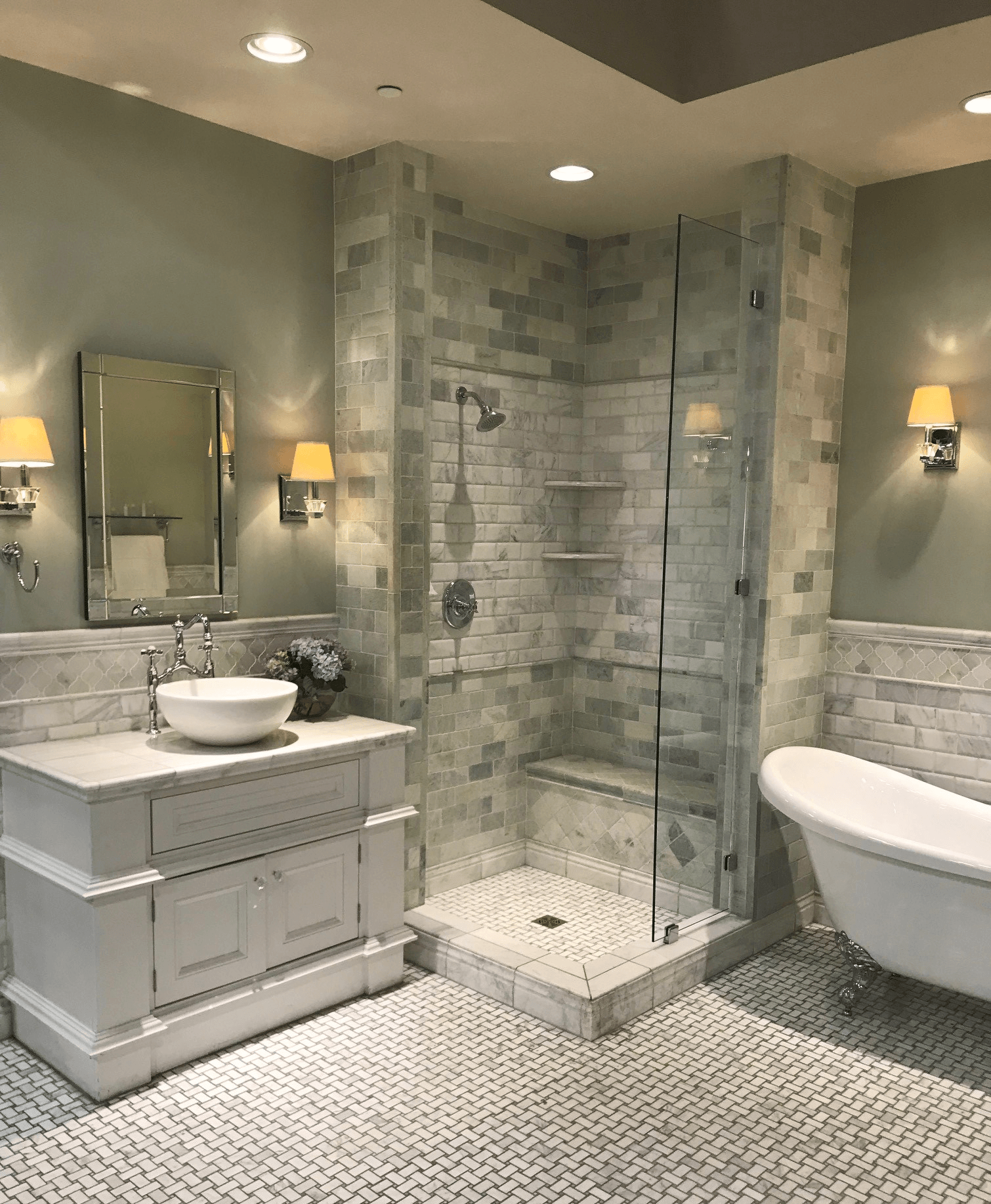
The journey of Tile Shop Holdings stands out amid other "pandemic prosperity" cases, however, because of a secondary drama that played out among the company's shareholders.
Two outside directors who are wealthy investors, Peter Kamin and Peter Jacullo, in late 2019 steered the company into a controversial delisting of its stock from the Nasdaq main board to the over-the-counter market. The move wiped out two-thirds of Tile Shop's market value and the two directors went on a buying spree that gave them control of the 35-year-old firm. Other shareholders quickly sued.
A short time later, the two directors clashed with company founder and board Chairman Robert Rucker, leading tohis ouster and bitter public exchangein February 2020.
Sean Kirkwood, who runs a Philadelphia hedge fund called SRK Capital, and studies delisted companies in search of trapped value. After the coronavirus hit, Tile Shop shares traded below $1 for several weeks last March and April.
"It was basically being priced for bankruptcy, when that really wasn't likely if you dug through the numbers," Kirkwood said. His analysis led him to believe Tile Shop had plenty of liquidity for at least a year even if sales plunged 40%. He bought thousands of shares at prices averaging 81 cents.
The remodeling trend helped. Tile Shop finished 2020 with a 4.5% drop in revenue, but it saw a 4% gain in the last quarter. By October, the company wiped out $63 million in debt, and it ended the year with cash on hand. Tile Shop's stock ended 2020 at $4.30 and is now trading around $7.
"They did an exceptional job, way better than my best-case analysis," said Kirkwood, who continues to own shares and told his clients Tile Shop turned out to be a "huge winner."
Tile Shop is a large, pure play specialty retailer of man-made and natural stone tiles and one of the largest publicly traded flooring companies. The biggest competitor in the flooring space, Floor & Decor (FND), generates 43% of their revenue from tile.
Tile Shop shares have been risen about 10% since early March, which is impressive because founder and former CEO Robert Rucker has been liquidating his stake in the company.
Rucker did not leave the company on a good note. He clashed with new owners and directors, and his colorful February 2020 resignation letter claimed that a then-current director "doesn't have the sense to run The Tile Shop, he could not run a gas station."
Rucker's selling has comprised nearly 40% of the dollar volume over the last few months.
He has since continued selling,dumping another 120,000 shares May 3rd and 4th.
The good news is, he's liquidated the majority of his stake at this point, with around 2.3 million shares remaining.
At the current market cap of $360 million, $60 million in EBITDA would put TTSH at an EV/EBITDA of~6and a Price/Sales of~1. Considering that interest expense is zero (they paid off all debt last year) I see this as a cheap valuation - even more so when industry leader FND trades at an eye popping EV/EBITDA of nearly 40 and a Price/Sales over 5.
Two outside directors who are wealthy investors, Peter Kamin and Peter Jacullo, in late 2019 steered the company into a controversial delisting of its stock from the Nasdaq main board to the over-the-counter market. The move wiped out two-thirds of Tile Shop's market value and the two directors went on a buying spree that gave them control of the 35-year-old firm. Other shareholders quickly sued.
A short time later, the two directors clashed with company founder and board Chairman Robert Rucker, leading tohis ouster and bitter public exchangein February 2020.
Sean Kirkwood, who runs a Philadelphia hedge fund called SRK Capital, and studies delisted companies in search of trapped value. After the coronavirus hit, Tile Shop shares traded below $1 for several weeks last March and April.
"It was basically being priced for bankruptcy, when that really wasn't likely if you dug through the numbers," Kirkwood said. His analysis led him to believe Tile Shop had plenty of liquidity for at least a year even if sales plunged 40%. He bought thousands of shares at prices averaging 81 cents.
The remodeling trend helped. Tile Shop finished 2020 with a 4.5% drop in revenue, but it saw a 4% gain in the last quarter. By October, the company wiped out $63 million in debt, and it ended the year with cash on hand. Tile Shop's stock ended 2020 at $4.30 and is now trading around $7.
"They did an exceptional job, way better than my best-case analysis," said Kirkwood, who continues to own shares and told his clients Tile Shop turned out to be a "huge winner."
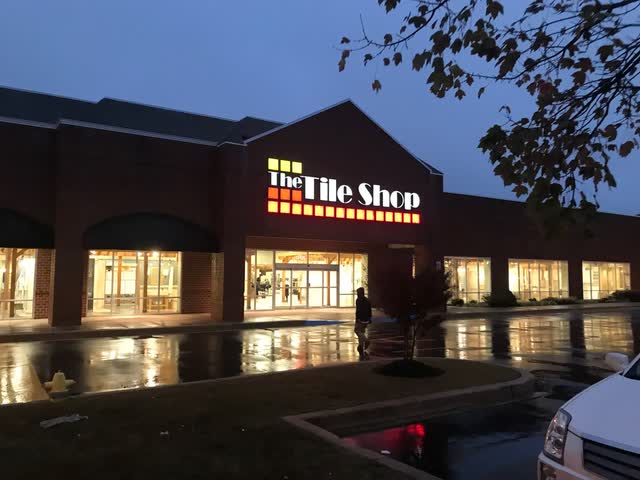
Tile Shop is a large, pure play specialty retailer of man-made and natural stone tiles and one of the largest publicly traded flooring companies. The biggest competitor in the flooring space, Floor & Decor (FND), generates 43% of their revenue from tile.
Tile Shop shares have been risen about 10% since early March, which is impressive because founder and former CEO Robert Rucker has been liquidating his stake in the company.
Rucker did not leave the company on a good note. He clashed with new owners and directors, and his colorful February 2020 resignation letter claimed that a then-current director "doesn't have the sense to run The Tile Shop, he could not run a gas station."
Rucker's selling has comprised nearly 40% of the dollar volume over the last few months.
He has since continued selling,dumping another 120,000 shares May 3rd and 4th.
The good news is, he's liquidated the majority of his stake at this point, with around 2.3 million shares remaining.
At the current market cap of $360 million, $60 million in EBITDA would put TTSH at an EV/EBITDA of~6and a Price/Sales of~1. Considering that interest expense is zero (they paid off all debt last year) I see this as a cheap valuation - even more so when industry leader FND trades at an eye popping EV/EBITDA of nearly 40 and a Price/Sales over 5.