OH NO SLOTH FEVER!
AUGUST 28, 2024
'Sloth Fever' Virus Is Spreading. Here’s What You Need to Know about Oropouche
The Oropouche virus, which causes a disease nicknamed “sloth fever” for one of the animals that can be infected, has seen its first cases in the U.S.
BY
MARIANA LENHARO&
NATURE NEWS
A
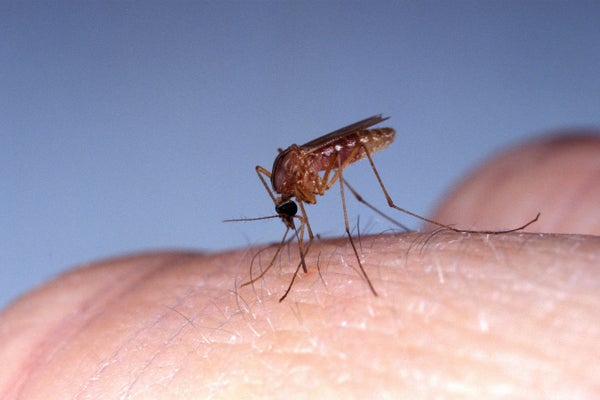
Culex quinquefasciatusmosquito, one of the species in which the Oropouche virus has been found.
Once confined to the
Amazon region, the mysterious insect-borne virus that causes Oropouche fever has been expanding its range since late 2023, raising international concern. There have been more than 8,000 confirmed human infections in the Americas so far this year, most of them in Brazil, but Peru, Bolivia, Colombia and Cuba have also been affected.
In July, authorities in Brazil reported the deaths of two adults from the disease — the first fatalities recorded since the virus was identified almost 70 years ago. Brazilian officials are also investigating cases of fetal deaths and malformations that might have been caused by the virus, which investigations have shown can spread from a pregnant person to the fetus. There are no vaccines or treatments for the disease.
Earlier this month, the Pan American Health Organization
upgraded its risk level for Oropouche from moderate to high, citing the virus’s geographical spread and the occurrence of fatal cases, which are notable for a disease that has historically been known to cause mild to moderate symptoms. On 23 August, the World Health Organization published a note stating that
the public-health risk posed by the virus is high at the regional level and low at the global level. The US Centers for Disease Control and Prevention has
advised close surveillance of people returning from affected areas.
Cases of Oropouche infection have been identified in people who have travelled to the United States, Spain, Italy and Germany from Brazil and Cuba, including 20 travelers from Cuba to the U.S. that the CDC reported on 27 August.
What is Oropouche?
Oropouche is a virus of the genus
Orthobunyavirus. It differs from other better-known vector-borne viruses like
dengue,
Zika,
yellow fever or
Chikungunya because it is typically transmitted to humans by a midge,
Culicoides paraensis, rather than by mosquitoes. But we cannot rule out the possibility that other vectors might be involved. [The virus has been found in other insects, including the mosquito
Culex quinquefasciatus.]