A French medical laboratory has said it is ready to give the French authorities “millions of doses” of an anti-malaria medication that early tests have suggested may help cure Covid-19.
French manufacturer Sanofi has said it could hypothetically offer enough doses of Plaquenil - a drug containing the molecule hydroxychloroquine - to treat up to 300,000 people if necessary.
Chloroquine is normally used mainly to prevent and treat malaria, and also to treat auto-immune conditions such as Lupus and rheumatoid arthritis.
In China, ongoing Covid-19 clinical trials have successfully used chloroquine phosphate and hydroxychloroquine to treat coronavirus patients.
In France, renowned research professor Didier Raoult - who had been tasked by the French government to research possible treatments of Covid-19 - this week posted a video detailing “promising” results of a chloroquine trial of 24 Covid-19 patients in France.
Read more: French researcher posts successful Covid-19 drug trial
Professor Raoult - from infectious diseases institute l'Institut Hospitalo-Universitaire (IHU) Méditerranée Infection in Marseille (Bouches-du-Rhône, Provence-Alpes-Côte d'Azur) - said that the infected patients he had treated with the drug chloroquine (under the name Plaquenil) had seen a rapid and effective speeding up of their healing process.
They also saw a sharp decrease in the amount of time they remained contagious, he said.
Yesterday (Tuesday March 17), government spokesperson Sibeth Ndiaye said that similar clinical trials would now be extended to more patients, but said that there is currently no definite “scientific proof” that the treatment works.
She said: “[New trials] will be completed by a team independent of Professor Raoult.”
Some experts have warned of the dangers of authorising the use of chloroquine too quickly, in the absence of wider studies, and said that the side effects of chloroquine can be severe, especially in the case of overdose.
French health minister Olivier Véran has said that new tests will now go ahead in order to evaluate the results by Professor Raoult, in an attempt to independently replicate the trials and ensure the findings are scientifically robust enough, before any possible decision might be made to roll any treatment out to the wider public.
He said: “I am aware of the results [by Professor Raoult] and I have now authorised a larger study by other teams to be started as soon as possible, on a larger number of patients.”
He added: “[I hope] to add to the interesting results [by Professor Raoult, but] it is absolutely fundamental that we base all public health decisions on validated scientific data, and this validation process is non-negotiable.”
Researchers worldwide are continuing to work on developing a vaccine against Covid-19.
A new academic study, published on Friday March 13 by US scientific researchers, also said that chloroquine appeared to be an effective treatment, and appeared to align with the findings in France.
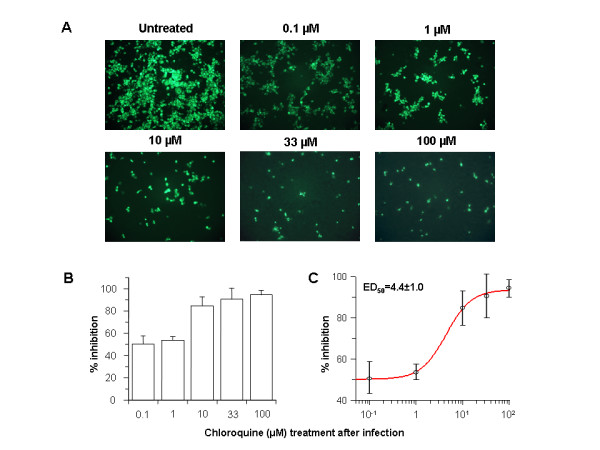
It said: “Use of chloroquine (tablets) is showing favorable outcomes in humans infected with Coronavirus including faster time to recovery and shorter hospital stay…
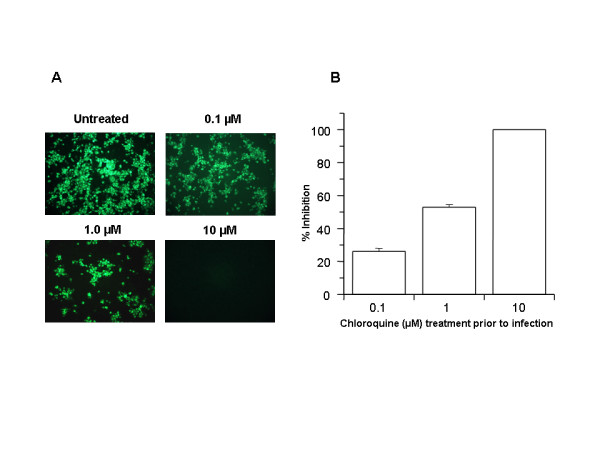
“Research shows that chloroquine also has strong potential as a prophylactic (preventative) measure against coronavirus in the lab, while we wait for a vaccine to be developed.”
So far, no country - nor the World Health Organisation (WHO) - has officially published treatment measures against Covid-19, but in China and South Korea, guidelines already outline the use of chloroquine as an “effective treatment”, the report said.
https://www.connexionfrance.com/Fre...otential-Covid-19-Plaquenil-anti-malaria-drug
French manufacturer Sanofi has said it could hypothetically offer enough doses of Plaquenil - a drug containing the molecule hydroxychloroquine - to treat up to 300,000 people if necessary.
Chloroquine is normally used mainly to prevent and treat malaria, and also to treat auto-immune conditions such as Lupus and rheumatoid arthritis.
In China, ongoing Covid-19 clinical trials have successfully used chloroquine phosphate and hydroxychloroquine to treat coronavirus patients.
In France, renowned research professor Didier Raoult - who had been tasked by the French government to research possible treatments of Covid-19 - this week posted a video detailing “promising” results of a chloroquine trial of 24 Covid-19 patients in France.
Read more: French researcher posts successful Covid-19 drug trial
Professor Raoult - from infectious diseases institute l'Institut Hospitalo-Universitaire (IHU) Méditerranée Infection in Marseille (Bouches-du-Rhône, Provence-Alpes-Côte d'Azur) - said that the infected patients he had treated with the drug chloroquine (under the name Plaquenil) had seen a rapid and effective speeding up of their healing process.
They also saw a sharp decrease in the amount of time they remained contagious, he said.
Yesterday (Tuesday March 17), government spokesperson Sibeth Ndiaye said that similar clinical trials would now be extended to more patients, but said that there is currently no definite “scientific proof” that the treatment works.
She said: “[New trials] will be completed by a team independent of Professor Raoult.”
Some experts have warned of the dangers of authorising the use of chloroquine too quickly, in the absence of wider studies, and said that the side effects of chloroquine can be severe, especially in the case of overdose.
French health minister Olivier Véran has said that new tests will now go ahead in order to evaluate the results by Professor Raoult, in an attempt to independently replicate the trials and ensure the findings are scientifically robust enough, before any possible decision might be made to roll any treatment out to the wider public.
He said: “I am aware of the results [by Professor Raoult] and I have now authorised a larger study by other teams to be started as soon as possible, on a larger number of patients.”
He added: “[I hope] to add to the interesting results [by Professor Raoult, but] it is absolutely fundamental that we base all public health decisions on validated scientific data, and this validation process is non-negotiable.”
Researchers worldwide are continuing to work on developing a vaccine against Covid-19.
A new academic study, published on Friday March 13 by US scientific researchers, also said that chloroquine appeared to be an effective treatment, and appeared to align with the findings in France.
It said: “Use of chloroquine (tablets) is showing favorable outcomes in humans infected with Coronavirus including faster time to recovery and shorter hospital stay…
“Research shows that chloroquine also has strong potential as a prophylactic (preventative) measure against coronavirus in the lab, while we wait for a vaccine to be developed.”
So far, no country - nor the World Health Organisation (WHO) - has officially published treatment measures against Covid-19, but in China and South Korea, guidelines already outline the use of chloroquine as an “effective treatment”, the report said.
https://www.connexionfrance.com/Fre...otential-Covid-19-Plaquenil-anti-malaria-drug