Scientists Warn of Perilous Climate Shift Within Decades, Not Centuries
......................................The paper, written by Dr. Hansen and 18 other authors, dwells on the last time Earth warmed naturally, about 120,000 years ago, when the temperature reached a level estimated to have been only slightly higher than today. Large chunks of the polar ice disintegrated then, and scientists have established that the sea level rose 20 to 30 feet.
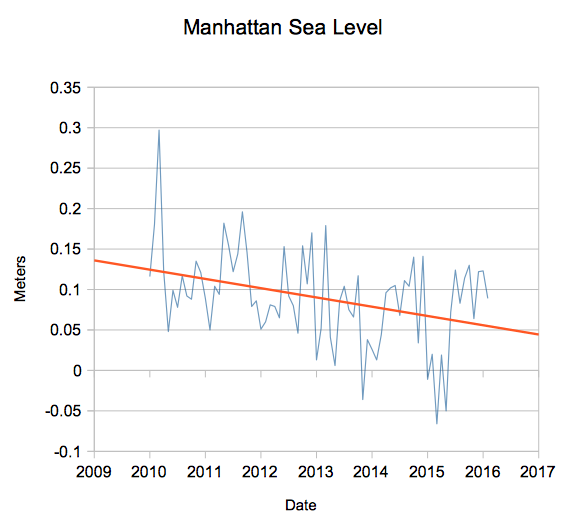
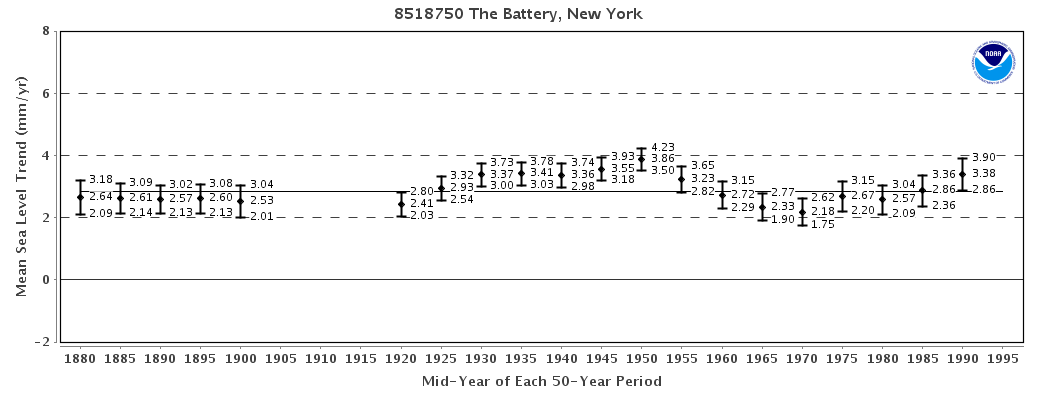
Climate scientists agree that humanity is about to cause an equal or greater rise in sea level, but they have tended to assume that such a large increase would take centuries, at least. The new paper argues that it could happen far more rapidly, with the worst case being several feet of sea-level rise over the next 50 years, followed by increases so precipitous that they would force humanity to beat a hasty retreat from the coasts.
“That would mean loss of all coastal cities, most of the world’s large cities and all their history,” Dr. Hansen said in a video statement that accompanied the new paper.
The paper identifies a specific mechanism that the scientists say they believe could help cause such an abrupt climate shift.
Their idea is that the initial melting of the great ice sheets will put a cap of relatively fresh water on the ocean surfaces near Antarctica and Greenland. That, they think, will slow or even shut down the system of ocean currents that redistributes heat around the planet and allows some of it to escape into space. Warmth will then accumulate in the deeper parts of the ocean, the scientists think, speeding the melting of parts of the ice sheets that sit below sea level.
In addition, a wider temperature difference between the tropics and the poles will encourage powerful storms, the researchers contend. The paper cites evidence, much of it contested, that immense storms happened during the warm period 120,000 years ago.
..........The new paper may reopen that debate, requiring scientists to re-examine the idea with the more sophisticated computer models of the climate that are available today. It could take several years for the experts to come to a consensus, though.
Dr. Hansen spent decades heading NASA’s climate research unit in Manhattan, before retiring in 2013. He now heads a center created for him at Columbia University.
He gained fame in 1988 when he warned Congress that global warming had already begun. He was ahead of the scientific consensus at the time, but it became clear in retrospect that Earth had been in the midst of a period of rapid global warming at the time he testified.
Even scientists wary of the specific claims in the new paper point to Dr. Hansen’s history to argue that his ideas need to be taken seriously.
“I think we ignore James Hansen at our peril,” Dr. Mann said.
http://www.nytimes.com/2016/03/23/s...lights&contentPlacement=1&pgtype=sectionfront
......................................The paper, written by Dr. Hansen and 18 other authors, dwells on the last time Earth warmed naturally, about 120,000 years ago, when the temperature reached a level estimated to have been only slightly higher than today. Large chunks of the polar ice disintegrated then, and scientists have established that the sea level rose 20 to 30 feet.
Climate scientists agree that humanity is about to cause an equal or greater rise in sea level, but they have tended to assume that such a large increase would take centuries, at least. The new paper argues that it could happen far more rapidly, with the worst case being several feet of sea-level rise over the next 50 years, followed by increases so precipitous that they would force humanity to beat a hasty retreat from the coasts.
“That would mean loss of all coastal cities, most of the world’s large cities and all their history,” Dr. Hansen said in a video statement that accompanied the new paper.
The paper identifies a specific mechanism that the scientists say they believe could help cause such an abrupt climate shift.
Their idea is that the initial melting of the great ice sheets will put a cap of relatively fresh water on the ocean surfaces near Antarctica and Greenland. That, they think, will slow or even shut down the system of ocean currents that redistributes heat around the planet and allows some of it to escape into space. Warmth will then accumulate in the deeper parts of the ocean, the scientists think, speeding the melting of parts of the ice sheets that sit below sea level.
In addition, a wider temperature difference between the tropics and the poles will encourage powerful storms, the researchers contend. The paper cites evidence, much of it contested, that immense storms happened during the warm period 120,000 years ago.
..........The new paper may reopen that debate, requiring scientists to re-examine the idea with the more sophisticated computer models of the climate that are available today. It could take several years for the experts to come to a consensus, though.
Dr. Hansen spent decades heading NASA’s climate research unit in Manhattan, before retiring in 2013. He now heads a center created for him at Columbia University.
He gained fame in 1988 when he warned Congress that global warming had already begun. He was ahead of the scientific consensus at the time, but it became clear in retrospect that Earth had been in the midst of a period of rapid global warming at the time he testified.
Even scientists wary of the specific claims in the new paper point to Dr. Hansen’s history to argue that his ideas need to be taken seriously.
“I think we ignore James Hansen at our peril,” Dr. Mann said.
http://www.nytimes.com/2016/03/23/s...lights&contentPlacement=1&pgtype=sectionfront