
couldn't finish reading it. Not sure if parody like the onion.SVB Bank is the "first bank killed by climate change." There will be more.
Mar 13, 10 min read
What (Really) Killed Silicon Valley Bank
What Else Implodes on Dying Planets? Financial Systems, And Ours Is Beginning To
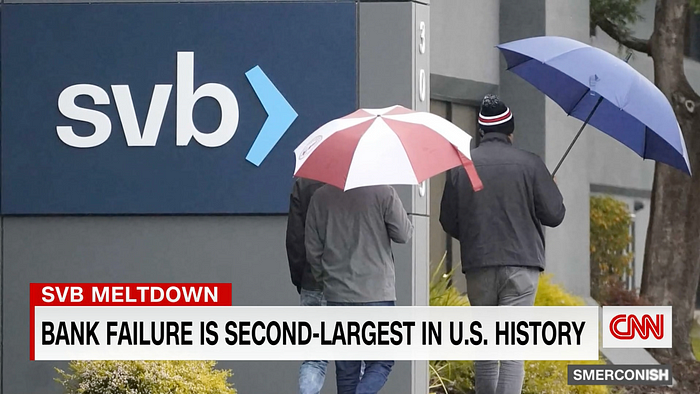
Image Credit: CNN
In a foxhole, everyone turns into a libertarian. It’s sad, but true. Take the example of the failure of Silicon Valley Bank. My Twitter feed filled up — fast — with erstwhile leftists and centrists and whatnot literally screaming that there shouldn’t be a bailout. Fair enough, I guess, if the logic “no safety nets for me means no safety nets for anyone!” really makes sense to you.
And this is…about as far as America’s commentary on the subject’s gone. It’s followed this tedious, predictable process, which ends in “I don’t have much so nobody deserves anything!!” But is that really the lesson to be drawn here? Is it just about…bailouts…and who deserves them?
In fact, there’s a much deeper lesson here, which is that our financial system is completely broken. It is not fit for the future. It is one of the big, big reasons that we are barely surviving the 21st century as democracies and modern societies, and the odds are pretty slim that we eke out even another few decades without hardcore implosion spreading. What do I mean by all that?
Well, let’s think about what’s actually happening in the world. Have you heard of a little thing called “climate change”? Sorry, I don’t mean to be facetious. But you see, note how totally divorced from reality the above discussion really is. Let’s try to reframe it. How are we to deal with climate change — whose mega-scale impacts are already here?
What really caused the failure of Silicon Valley Bank? Climate change did.
Silicon Valley Bank — ironically — is the first bank failure to be induced by climate change. And that should give us all pause.
I know, I know, everyone and their mother who are die-hard New York Times fans will be outraged with me for saying that, and it’s tedious, to be honest with you, but more than that, it’s foolish, for you.
Let me explain to you precisely why. What caused SVB to fail? Well, it did something shocking (I’m being sarcastic) — it invested in long-dated US government bonds. Sarcastic, because, well, those are the safest assets in the entire economy. Or at least they used to be. Even they turned out to be, well, lethally risky. Why? Because the Fed began to raise interest rates like a maniac. That causes bond prices to fall, at least longer-dated ones, and you don’t need to worry about the math of why. What’s important to understand is the next part.
Why did the Fed suddenly begin to raise interest rates? Was it…because…suddenly wages and incomes were skyrocketing? Nope, those are fallingin real terms.
The Fed raised interest rates because priceshave been rising. Suddenly, in astronomical ways, in huge, huge amounts. And not just for certain things, but all the basics, from food to energy to water to medicine.
And all that stuff rose in price because of what climate change is doing to our economies already.
No, not solely. There was a complicating factor here — well, not much of one if you know a little bit about monopoly capitalism. As input prices rose, monopolies jacked up output prices — the prices you pay at the grocery store or shopping mall — even more. Why? Because they could. This was a golden opportunity to profiteer. Right about now, corporate profits are at their highest point ever. Because as climate change sends the price of basics through the roof, of course monopolies who still have control over what’s left of a dying planet’s dwindling resources will profiteer like there’s no tomorrow, since, well, there isn’t. So why bother being fair to anyone, anyways?
Now. The reason that the Fed used to give for the explosive way that prices rose was…wait for it..Covid. But Covid is over — certainly not as a public health emergency, but as one that society even bothers to acknowledge anymore. Covid is done with, in the sense of lockdowns, labour shortages, and other assorted big-league, social-scale economic impacts — and yet prices have kept right on rising. Astronomically. Every month. Every day. How much more do you spend for food every month? Any sort of basics, really? The amount just keeps going up and up and up.
There is a lesson there. Prices didn’t just begin to rise because of Covid. Sure, Covid played a role, but the fact that prices are still skyrocketing, just into oblivion, tells us that Covid cannot have been the major factor. Instead, this wave of inflation is about climate change. Suddenly, we began to hit the climate’s limits, in very real ways.
Only we’re ignoring it, or at least our power centers are. My entire field, economics? LOL, it barely even talks about it. Let’s think about it together.
Was it a mere coincidence that, for example, harvests were off by double digits from Europe to California to Africa — and prices rose across the world, for food? Was it a coincidence that rivers began to run dry, from the Colorado to the Rhone, and prices began to rise for everything made from, LOL, water, from chemicals to energy? Just another coincidence that megaweather struck, which raised risk premia for everyone from farmers to shippers to people living in suddenly precarious places like shorelines — and hey, look at that, prices rose?
If you think that was a coincidence, congratulations, you’re an honorary member of the Fed. An honorary New York Times columnist. Good job!
To the rest of us, obviously none of this was a coincidence. The sudden arrival of the mega-scale impacts of climate change — from megafires to rivers running dry to worldwide crop failures — and a tsunami of inflation hitting the entire world. There was a causal link here, history will say.
What have I been saying all year? I’ve been saying, over and over again, that raising interest rates this far, this fast, was going to have calamitous consequences. Because it doesn’t solve the problem. It only makes it worse. I think I’ve written that a dozen times or more. How so? Well, if your rivers are running dry and your crops failing, is raising interest rates going to…till a field? Turn the soil back from ash into soil? Is it going to turn cracked earth back into roaring rivers? Well, of course not.
It only makes the problem worse, because now you’ve added a layer of risk that doesn’t need to be there. You’re making people pay even more on the debt they’re taking on, in an accelerating way, because prices are rising far, far faster than incomes. You are making it harder to invest, because now every dollar that could be invested is riskier, in a systemic way. And that systemic risk is going to come due one day.
And it did. In the form of Silicon Valley Bank failing. There’s a lot of noise — a lot — out there about it. It’s hard to decipher, but the story here is actually pretty simple. Silicon Valley Bank invested, again, in long-term government bonds, which are the safest assets in the economy. Now, sure, we can fault SVB for not “hedging” that bet, but that’s almost besides the point. Risk was multiplying, because interest rates were hammered upwards, again and again, and that risk was going to have to cause something to fail, sometime, soon. If it wasn’t SVB, it would’ve just been someone else.
You know who else is failing because of that risk? You are. How are your finances doing lately? Because what raising interest rates — in this context, supply shocks, hitting our planet’s limits — does is create even more risk. And now it’s on your shoulders. Now it’s not just prices of basics that are rising, but the price you have to pay for debt, interest. And all that is leaving the average household absolutely wrecked. This is why everyone turns into a libertarian in this particular foxhole, because of course, they need a bailout, too.
But you know who really needs a bailout? The planet does. How do solve — really solve — the problem of history’s greatest supply shock? As in, we are now living on a planet that cannot supply us the level of abundance we became accustomed to, and what it can supply will only dwindle, year by year, until, at last, all that’s left is authoritarians and fascists fighting one another over what little is left?
We solve that problem by investment. Like never before. Investment is the opposite of raising interest rates. Raising interest rates makes interest, well, more expensive. It reduces investment. In a situation like this? The planet can’t supply us water, food, medicine, energy anymore — or if it can, only in a way that destroys it, and us, even faster?
There’s only one way out of that, and that’s investment, on a scale never before seen in human history. Our GDP as a world is about $90 trillion, give or take. We invest at a rate of 20%. That’s about $20 trillion. We need to invest at a rate of about 50%. That’s $45 trillion. The gap is $25 trillion.
We need to more than double what we invest, or we don’t have a future. Or this is the future, lunatics and fanatics seducing the rest of us with hate, telling us that the way out of this mess is to prevent the grabbing hands of those dirty people from having what we, the pure and true, deserve, because when resources dwindle, do you know what happens? Always happens? Fascism wins.
Until it burns everything down. Look around the world. Tell me a place right now where fascism isn’t winning. In America? It’s making startling advances, just tearing up rights in a blitzkrieg. Britain, LOL, turned so ugly that it’s top sportscaster had to throw his hands up disgust and walk away. Europe’s confronted with fascist parties in multiple nations rising to power. India, China, Russia, on and on it goes. Look around the world, and understand that this is not a drill, and it isn’t a game. We are on our last legs as a civilization.
Now let’s come back to SVB. The irony is the example it became. What is — was — SVB’s role in the economy? Innovation. The bank that was there to support and nurture innovation — and to be fair, it did quite a good job of that for many decades — failed. Why? Because we finally hit a problem that we can’t innovate our way around, at least not in the old way. Climate change.
You see, when I say we need the greatest wave of investment in human history, that means something institutionally, too. It means we need a very different financial system to do it. Even if our innovation focused banks invest in the safest assets in the economy today — they still fail. Precisely because this financial system is not fit for the future. Why not? Well, we need one that can invest on generational timescales, not just mayfly ones. We need one that factors in global scale impacts, not just profits to a few “shareholders” who are all dudes calling themselves “hedge fund managers” and gambling with Daddy’s Money. And we need one that can actually push the boundaries of “innovation” beyond just…apps…digital stuff. My dude, the planet is dying. What are you going to eat, the Metaverse?
We need a financial system that can do everything from invest in replacements for things as simple but toxic as plastics, to funding bringing ecosystems back to life, to creating clean energy infrastructure that lasts another millennium, if not century, to manufacturing stuff in clean ways, to agriculture that isn’t causing a mass extinction of life on the planet.
This one isn’t it. Do you really think that a financial system of for-profit “investment banks” is ever going to do any of that, let alone all of it? That system’s job is profit, right now, more of it, at any price, not…the survival of democracy and civilization on a dying planet.
So what does that system look like? Well, the World Bank should be reformed along those lines. So should the IMF. Every nation should have a Public Investment Bank to reinvent its energy grid, choose a position in manufacturing, develop an economy of the future, and create the jobs and industries that we need, instead of the failing ones that go on dwindling year by year. We need “stock markets,” too, in which the only measure of value isn’t just profitability, but purpose, whether or not you actually, I don’t know, planted a goddamned tree, versus just killed off another million beings for a few pennies more today.
This system isn’t going to cut it. We need to reinvent it, from top to bottom. The irony is that Silicon Valley Bank teaches us that lesson — we need to innovate on this level, an institutional, systemic one, or else, well this is the future. SVB is the first bank climate change killed. But it’s going to be far from the last. Every year, more and more will go bust, because, well, you know what else is going to happen as a result of everyone taking on more debt to afford the basics, since real incomes are falling? That’s right, those debts, a whole lot of them, are going to go bad, too — and bang, there goes another bank. And then another one. This isn’t an anomaly, it’s a theme, a beginning, a transformation that isn’t happening, and so…implosion does, instead.
I don’t know if all that makes sense. Honestly? I tire of writing about it some days. Not for you, gentle readers. I know that you are thoughtful and caring people, and sharing these thoughts with you is my reason for writing them at all. But I think, too, about the way my own field — economics and finance — rejects these ideas, these warnings to give, and will, even now. Oh well, I guess they’re right. The planet can totally die, and everything, especially the banking system, will be just fine.
You know the “don’t worry! We’ll all be super-beings living immortally in computers on Mars” excuse of the techno-geeks? This is the economists version of that: denial. No, on a dying planet, things aren’t going to be fine. Not democracy, which becomes fascism, not economies, which becomes impoverished, not society, which tears itself apart, and certainly least of all, banks, which are going to go on crashing and burning, now, more and more, like embers falling from a burning sky. Because what do we all do, in the end, at the end of the world? Run.
Umair
March 2023
https://eand.co/what-really-killed-silicon-valley-bank-9f271644ef2c

You are using an out of date browser. It may not display this or other websites correctly.
You should upgrade or use an alternative browser.
You should upgrade or use an alternative browser.
Ecological Overshoot
- Thread starter Ricter
- Start date
Climate is changing too quickly for the Sierra Nevada's 'zombie forests'
March 13, 20235:06 AM ET
Joe Hernandez

Young giant sequoia trees are seen during a prescribed pile burning on Feb. 19 in Sequoia National Forest. Researchers say 20% of Sierra Nevada conifers are a mismatch with their climate.Mario Tama/Getty Images
Some of the tall, stately trees that have grown up in California's Sierra Nevada are no longer compatible with the climate they live in, new research has shown.
Hotter, drier conditions driven by climate changein the mountain range have made certain regions once hospitable to conifers — such as sequoia, ponderosa pine and Douglas fir — an environmental mismatch for the cone-bearing trees.

A single fire killed thousands of sequoias. Scientists are racing to save the rest
"They were exactly where we expected them to be, kind of along the lower-elevation, warmer and drier edges of the conifer forests in the Sierras," Avery Hill, who worked on the study as a graduate student at Stanford University, told NPR.
Although there are conifers in those areas now, Hill and other researchers suggested that as the trees die out, they'll be replaced with other types of vegetation better suited to the environmental conditions.
The team estimated that about 20% of all Sierra Nevada conifer trees in California are no longer compatible with the climate around themand are in danger of disappearing. They dubbed these trees "zombie forests."
The environment is changing faster than the trees can adapt
The team scrutinized vegetation data dating back to the 1930s, when all Sierra Nevada conifers were growing in appropriate climate conditions. Now, four out of five do.
That change is largely due to higher temperatures and less rainfall in these lower-elevation areas, as well as human activities, such as logging, and an uptick in wildfires.
The Sierra Nevada conifers aren't standing still. The average elevation of the trees has increased over the past 90 years, moving 112 feet upslope. According to Hill, that's because lower-elevation conifers have died while conifers at higher elevations where the air is cooler have been able to grow.
But the conifers' uphill trek hasn't been able to keep pace with the dramatic increase in temperatures. The researchers said the number of Sierra Nevada conifers incompatible with their environments could double in the next 77 years.
The new maps can inform forest conservation and management plans
But Hill, who is now a postdoctoral researcher at the California Academy of Sciences, hopes that the maps he and his colleagues developed showing the state's "zombie forests" will help shape people's understanding of the effects of climate change.
"Conservationists know, scientists know, so many people know that ecosystems are changing and expect them to change more, and people are grappling with this," he said.
"These maps are unique, in that you can put your finger on a point and say, 'This area right here is expected to transition due to climate change in the near future,' and this forces some really difficult questions about what we want this land managed for and do we try to resist these impending changes," Hill added.
Low Sacramento River salmon forecast to close California ocean salmon fishing statewide
Damon Arthur, Redding Record Searchlight
Sun, March 12, 2023 at 3:51 PM MDT·3 min read

Winter-run juvenile Chinook salmon are prepared for release at Coleman National Fish Hatchery in March 2018. (Photo: Steve Martarano/U.S. Fish and Wildlife Service)
Federal officials have proposed closing commercial chinook salmon fishing off the coast of California over concerns for expected low numbers of fall-run chinook salmon returning to the Sacramento River this year.
The Pacific Fishery Management Council announced its three alternatives for recreational and commercial fishing Friday.
Ocean recreational fishing from the Oregon-California border to the U.S.-Mexico border will be closed in all three proposals, "given the low abundance forecasts for both Klamath and Sacramento River fall chinook." the council said in a news release issued Friday.
Commercial salmon fishing off the coast of California also will be closed, the council said. Ocean fishing restrictions were also announced for Oregon and Washington.
“The 2023 salmon season discussions have been dominated by the severely low forecasts for both the Klamath and Sacramento River fall Chinook stocks”, said council Executive Director Merrick Burden, “The Council will need to deliberate on the best path forward in setting 2023 seasons with considerations for economic implications to the coastal communities and the low abundances of key salmon stocks and the need to ensure future generations of healthy salmon returns.”
The council meets again from April 1-7 to consult with scientists, hear public comment, revise preliminary decisions, and choose a final alternative at its meeting, the council said.
The management council's decisions only affect ocean fishing seasons. The California Fish and Game Commission will approve salmon seasons and regulations for inland streams and rivers in early April, state officials said.
The Golden State Salmon Association said the fishing closure will have a devastating effect on commercial fishing companies and other businesses that serve them.
"Our local commercial and recreational fleets are devastated,” said Bay Area commercial salmon troller Sarah Bates. “Those of us that depend on salmon have lost our livelihoods completely this year, and potentially next year. Aside from the economic impacts to our ports, communities and families, we are heartbroken at the condition of our ecosystems and frustrated at the colossal mismanagement of our public water resources."
At a meeting held earlier this month, state and federal officials forecast one of the lowest adult fall-run chinook salmon population estimates since 2008, according to the California Department of Fish and Wildlife.
The fall-run chinook is considered the predominant species of salmon in freshwater and ocean fisheries, the state said. This year, the state forecast 169,767 adults in the population.
Out of the four chinook salmon species that spawn in the Sacramento River and its tributaries, the fall-run is the largest. Most of the fish that return to the Shasta-Tehama county stretch of the river are hatched at Coleman National Fish Hatchery south of Anderson.
The salmon spawn in freshwater or inland fish hatcheries, migrate to the ocean, where they usually live for three years and then return to rivers and streams to spawn and die.
Most of this year's adults were born in 2020. That year about 12.4 million hatchery-raised salmon were released from Coleman. There also are other fish hatcheries in the state that produce fall-run chinook.
Klamath River chinook salmon numbers are also very low. State officials said they expect 103,793 Klamath River chinook, which represents the lowest numbers since 1997.
Reporter Damon Arthur welcomes story tips at 530-338-8834, by email at damon.arthur@redding.com and on Twitter at @damonarthur_RS. Help local journalism thrive by subscribing today.
This article originally appeared on Redding Record Searchlight: Low Sacramento River salmon forecast to close ocean salmon fishing
Damon Arthur, Redding Record Searchlight
Sun, March 12, 2023 at 3:51 PM MDT·3 min read
Winter-run juvenile Chinook salmon are prepared for release at Coleman National Fish Hatchery in March 2018. (Photo: Steve Martarano/U.S. Fish and Wildlife Service)
Federal officials have proposed closing commercial chinook salmon fishing off the coast of California over concerns for expected low numbers of fall-run chinook salmon returning to the Sacramento River this year.
The Pacific Fishery Management Council announced its three alternatives for recreational and commercial fishing Friday.
Ocean recreational fishing from the Oregon-California border to the U.S.-Mexico border will be closed in all three proposals, "given the low abundance forecasts for both Klamath and Sacramento River fall chinook." the council said in a news release issued Friday.
Commercial salmon fishing off the coast of California also will be closed, the council said. Ocean fishing restrictions were also announced for Oregon and Washington.
“The 2023 salmon season discussions have been dominated by the severely low forecasts for both the Klamath and Sacramento River fall Chinook stocks”, said council Executive Director Merrick Burden, “The Council will need to deliberate on the best path forward in setting 2023 seasons with considerations for economic implications to the coastal communities and the low abundances of key salmon stocks and the need to ensure future generations of healthy salmon returns.”
The council meets again from April 1-7 to consult with scientists, hear public comment, revise preliminary decisions, and choose a final alternative at its meeting, the council said.
The management council's decisions only affect ocean fishing seasons. The California Fish and Game Commission will approve salmon seasons and regulations for inland streams and rivers in early April, state officials said.
The Golden State Salmon Association said the fishing closure will have a devastating effect on commercial fishing companies and other businesses that serve them.
"Our local commercial and recreational fleets are devastated,” said Bay Area commercial salmon troller Sarah Bates. “Those of us that depend on salmon have lost our livelihoods completely this year, and potentially next year. Aside from the economic impacts to our ports, communities and families, we are heartbroken at the condition of our ecosystems and frustrated at the colossal mismanagement of our public water resources."
At a meeting held earlier this month, state and federal officials forecast one of the lowest adult fall-run chinook salmon population estimates since 2008, according to the California Department of Fish and Wildlife.
The fall-run chinook is considered the predominant species of salmon in freshwater and ocean fisheries, the state said. This year, the state forecast 169,767 adults in the population.
Out of the four chinook salmon species that spawn in the Sacramento River and its tributaries, the fall-run is the largest. Most of the fish that return to the Shasta-Tehama county stretch of the river are hatched at Coleman National Fish Hatchery south of Anderson.
The salmon spawn in freshwater or inland fish hatcheries, migrate to the ocean, where they usually live for three years and then return to rivers and streams to spawn and die.
Most of this year's adults were born in 2020. That year about 12.4 million hatchery-raised salmon were released from Coleman. There also are other fish hatcheries in the state that produce fall-run chinook.
Klamath River chinook salmon numbers are also very low. State officials said they expect 103,793 Klamath River chinook, which represents the lowest numbers since 1997.
Reporter Damon Arthur welcomes story tips at 530-338-8834, by email at damon.arthur@redding.com and on Twitter at @damonarthur_RS. Help local journalism thrive by subscribing today.
This article originally appeared on Redding Record Searchlight: Low Sacramento River salmon forecast to close ocean salmon fishing
You must understand that the economy has never, does not now, and will never exist independently of the planet's stock of resources (both inputs and sinks). The processes are actually one process.couldn't finish reading it. Not sure if parody like the onion.
sure, but by that logic anything and everything on earth is about global warming.You must understand that the economy has never, does not now, and will never exist independently of the planet's stock of resources (both inputs and sinks). The processes are actually one process.
Of course global warming has an effect on everything, but ecological overshoot is the overall problem. Details to be found... here in this thread.sure, but by that logic anything and everything on earth is about global warming.

For me, the best way to organize my understanding has been the nine boundary model. Climate change just seems to come up much more, though I do try to bring articles that address the other impacts.

Deforestation 'fast outstripping' regrowth, say Bristol scientists
Published 23 hours ago
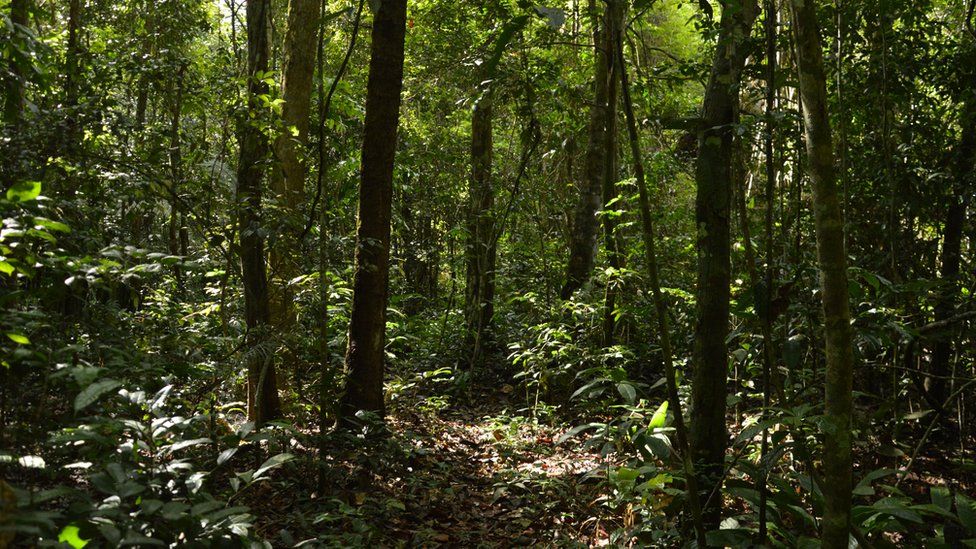
Image source, Viola Heinrich Image caption,The study also found that one third of forests degraded by logging or fire, were later completely deforested
Recovering tropical forests offset just a quarter of carbon emissions generated each year by logging, wildfire and land clearing, new research has found.
The study, led by University of Bristol scientists, found destruction of these ecosystems currently far outstripped the pace of regrowth.
Working with an international team, they used satellite data to study the world's three largest tropical forests.
They hope it can inform decisions about protecting these areas.
The study was the first to estimate aboveground carbon absorption in tropical forests recovering from degradation and deforestation, said lead author, Dr Viola Heinrich, who gained her PhD in physical geography at Bristol University.
"While protecting ancient tropical forests remains the priority, we demonstrate the value in sustainably managing forest areas that can recover from human disturbances," she said.
Brazil's National Institute for Space Research took part in the study of Amazon, Central Africa and Borneo forests, published in Nature.
Scientists found areas recovering from human disturbances, such as logging; as well as forests re-growing in previously deforested areas, were annually removing at least 107 million tonnes from the atmosphere.
However, the total amount of carbon being taken up in aboveground forest re-growth was only enough to counterbalance 26% of the current carbon emissions from tropical deforestation and degradation.
Emphasising the vulnerability of the carbon sink in recovering forests, the team also found one third of forests degraded by logging or fire were later completely deforested.
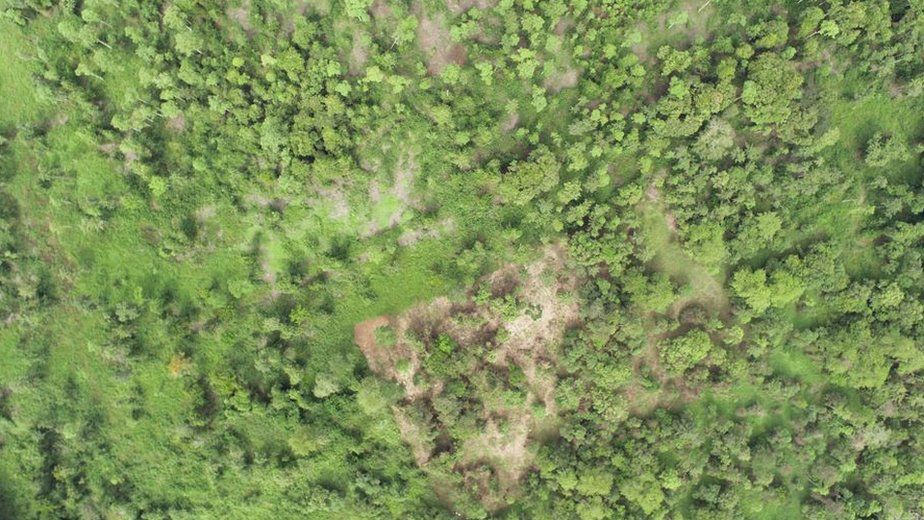
Image source, Regrow Borneo Image caption,The team looked at three of the world's largest tropical rainforests, including in Borneo
"The carbon recovery models we developed can inform scientists and policy makers on the carbon storage potential of secondary and degraded forests if they are protected and allowed to recover," said Dr Heinrich.
'Time running out'
She added tropical forests, which provide vital resources for millions of people and animals, needed to be protected and restored "for their carbon and climate value" but also on a local scale, "people need to be allowed to continue to use" them sustainably.
Co-author Dr Jo House said countries had repeatedly pledged to reduce deforestation and restore areas, which were the "most cost-effective and immediately available way" to remove carbon from the atmosphere - but targets were "repeatedly missed".
"Our research demonstrates that time is running out," Dr House added.
A South-South alliance to protect rainforests was forged by Brazil, Indonesia, and Congo at COP27 last November.
https://www.bbc.com/news/uk-england-bristol-64956535
Published 23 hours ago
Image source, Viola Heinrich Image caption,The study also found that one third of forests degraded by logging or fire, were later completely deforested
Recovering tropical forests offset just a quarter of carbon emissions generated each year by logging, wildfire and land clearing, new research has found.
The study, led by University of Bristol scientists, found destruction of these ecosystems currently far outstripped the pace of regrowth.
Working with an international team, they used satellite data to study the world's three largest tropical forests.
They hope it can inform decisions about protecting these areas.
The study was the first to estimate aboveground carbon absorption in tropical forests recovering from degradation and deforestation, said lead author, Dr Viola Heinrich, who gained her PhD in physical geography at Bristol University.
"While protecting ancient tropical forests remains the priority, we demonstrate the value in sustainably managing forest areas that can recover from human disturbances," she said.
Brazil's National Institute for Space Research took part in the study of Amazon, Central Africa and Borneo forests, published in Nature.
Scientists found areas recovering from human disturbances, such as logging; as well as forests re-growing in previously deforested areas, were annually removing at least 107 million tonnes from the atmosphere.
However, the total amount of carbon being taken up in aboveground forest re-growth was only enough to counterbalance 26% of the current carbon emissions from tropical deforestation and degradation.
Emphasising the vulnerability of the carbon sink in recovering forests, the team also found one third of forests degraded by logging or fire were later completely deforested.
Image source, Regrow Borneo Image caption,The team looked at three of the world's largest tropical rainforests, including in Borneo
"The carbon recovery models we developed can inform scientists and policy makers on the carbon storage potential of secondary and degraded forests if they are protected and allowed to recover," said Dr Heinrich.
'Time running out'
She added tropical forests, which provide vital resources for millions of people and animals, needed to be protected and restored "for their carbon and climate value" but also on a local scale, "people need to be allowed to continue to use" them sustainably.
Co-author Dr Jo House said countries had repeatedly pledged to reduce deforestation and restore areas, which were the "most cost-effective and immediately available way" to remove carbon from the atmosphere - but targets were "repeatedly missed".
"Our research demonstrates that time is running out," Dr House added.
A South-South alliance to protect rainforests was forged by Brazil, Indonesia, and Congo at COP27 last November.
https://www.bbc.com/news/uk-england-bristol-64956535


They were claiming peak back in the early 2000s. That turned out to be complete bullshit.
BTW, we are nowhere near depletion. France actually got something right.
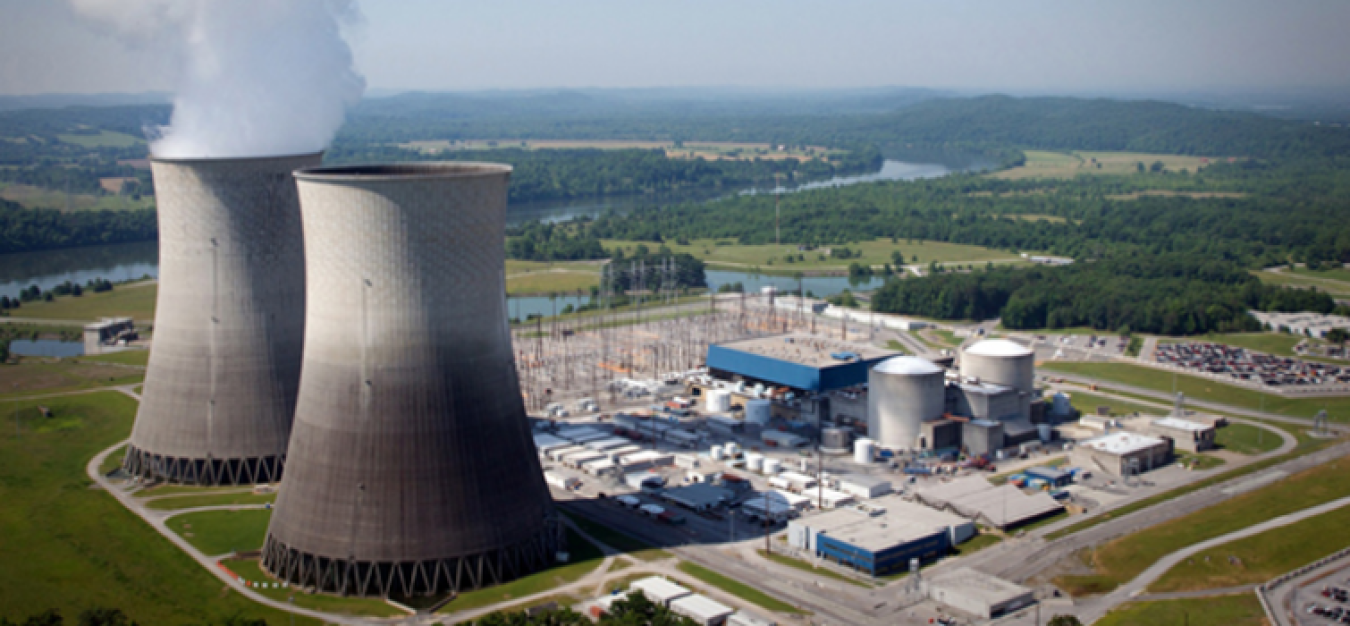
This is what the future of energy looks like.
I know you are all butt hurt about it, but deal with it.
Wildchild nails it again.