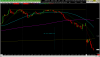
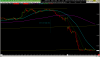
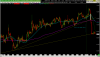
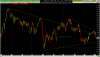
A general blurb this week about flashes and the interplay between grains and beef...
-------
FLASH TRADING
Several years ago, complaints were lodged with the CME regarding unfair access granted to some traders for order flow. Traders in many remote locations complained their bandwidth would not allow their orders to hit the exchange server with the speed of other orders placed from higher bandwidth or closer proximity to the CME trade platform. It is a impossibility to assure all trader’s orders the same timing to the server and the issue died as people realized this basic fact.
The end of the bandwidth controversy did not end the practice of flash trading or opportunist trading on market moving information. Many automated programs are linked to market time sensitive news releases in an effort to beat the crowd to the market and capitalize on a front running position. There is nothing illegal occurring, only algorithms designed to automate the process of reading a news release and turning the results into an instantaneous order on the exchanges.
The best example is the release of USDA grain stocks reports at 11 am while grain futures are trading. It is not unusual to find futures up or down the limit following the report and sometimes both in the remaining time before the close. Market sensitive information is parsed quickly and frequently inaccurately. Traders might key off one matrix like crop yields or stock carryovers. It is not unusual for other data within the report to conflict with the single targeted data. Therefore, flash trades are sometimes wrong, and traders are locked into a large losing position.
The Chinese trade wars have provided plentiful ammunition for flash trades. Regular news releases by both sides can be parsed for market moving relevance triggering market orders up on down on the exchanges. In a world, where as much of the negotiations occur through the media as behind closed doors, flash trades jump in and out of the CME ag contracts at a moment’s whim. The probability of success for this type trading is far from reliable. Head fakes and posturing in the media often drive trade positions and those positions find little in the way of fundamental soundness.
One well known flash trading firm designed positions to include both live cattle and feeder contracts in equal size [number of contracts]. They had failed to differentiate the daily volumes in each or the application of differentiated components of the contract. For example, trade bearish trade news from China might cause corn futures to decline because of lost exports but crashing corn would be bullish for feeder cattle contracts. Send market orders for large volumes of buy contracts into the feeder cattle contracts will be certain to jump the price by dollars due to the poor liquidity of a contracts containing a book of 1s and 2s.
There are certainly times when newly released information can translate into positions on the Board that can reap handsome rewards, but frequently human judgment is required for the careful design of the computerized trading protocols. Each ill-conceived flash trade presents an opportunity for those in the industry to act with a contrarian view taking the other side.
-------
FLASH TRADING
Several years ago, complaints were lodged with the CME regarding unfair access granted to some traders for order flow. Traders in many remote locations complained their bandwidth would not allow their orders to hit the exchange server with the speed of other orders placed from higher bandwidth or closer proximity to the CME trade platform. It is a impossibility to assure all trader’s orders the same timing to the server and the issue died as people realized this basic fact.
The end of the bandwidth controversy did not end the practice of flash trading or opportunist trading on market moving information. Many automated programs are linked to market time sensitive news releases in an effort to beat the crowd to the market and capitalize on a front running position. There is nothing illegal occurring, only algorithms designed to automate the process of reading a news release and turning the results into an instantaneous order on the exchanges.
The best example is the release of USDA grain stocks reports at 11 am while grain futures are trading. It is not unusual to find futures up or down the limit following the report and sometimes both in the remaining time before the close. Market sensitive information is parsed quickly and frequently inaccurately. Traders might key off one matrix like crop yields or stock carryovers. It is not unusual for other data within the report to conflict with the single targeted data. Therefore, flash trades are sometimes wrong, and traders are locked into a large losing position.
The Chinese trade wars have provided plentiful ammunition for flash trades. Regular news releases by both sides can be parsed for market moving relevance triggering market orders up on down on the exchanges. In a world, where as much of the negotiations occur through the media as behind closed doors, flash trades jump in and out of the CME ag contracts at a moment’s whim. The probability of success for this type trading is far from reliable. Head fakes and posturing in the media often drive trade positions and those positions find little in the way of fundamental soundness.
One well known flash trading firm designed positions to include both live cattle and feeder contracts in equal size [number of contracts]. They had failed to differentiate the daily volumes in each or the application of differentiated components of the contract. For example, trade bearish trade news from China might cause corn futures to decline because of lost exports but crashing corn would be bullish for feeder cattle contracts. Send market orders for large volumes of buy contracts into the feeder cattle contracts will be certain to jump the price by dollars due to the poor liquidity of a contracts containing a book of 1s and 2s.
There are certainly times when newly released information can translate into positions on the Board that can reap handsome rewards, but frequently human judgment is required for the careful design of the computerized trading protocols. Each ill-conceived flash trade presents an opportunity for those in the industry to act with a contrarian view taking the other side.