

China pushes back against US sanctions with new rules
James Mayger and Dingmin Zhang
Jan 11, 2021 – 7.26pm
https://www.afr.com/world/asia/china-pushes-back-against-us-sanctions-with-new-rules-20210111-p56tb9
Hong Kong | China continued its pushback against US sanctions, issuing new rules to protect its firms from "unjustified" foreign laws and allowing Chinese courts to punish global companies for complying with foreign restrictions.
The rules on "counteracting unjustified extra-territorial application" of foreign laws allow Chinese authorities to issue orders saying that companies or people in China do not need to comply with foreign restrictions, the Ministry of Commerce said in a statement.
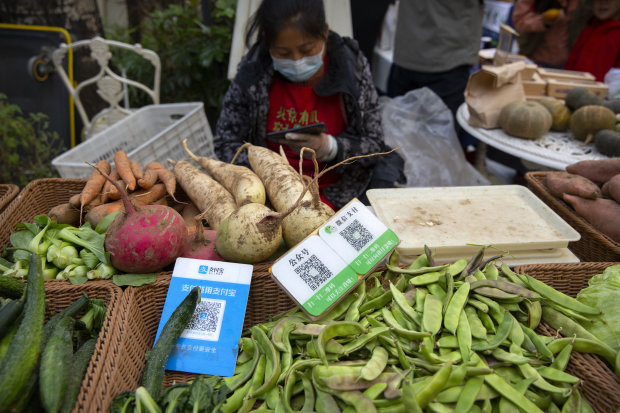
Earlier this month, the US banned transactions with Chinese apps like Ant Group's Alipay. AP
The measures went into effect immediately, and although they do not mention the US directly, China has long complained about the extra-territorial application of US law through sanctions and restrictions on trade.
The rules also allow Chinese citizens or companies to sue for compensation in Chinese courts if their interests are damaged by the application of foreign laws, and could put global companies in legal jeopardy in China for complying with US sanctions.
"The new order will be enforceable in China primarily through court actions brought by parties who believe they've been damaged by someone else's compliance with a foreign sanction," Nicholas Turner, a lawyer at Steptoe & Johnson in Hong Kong who specialises in economic sanctions, said.
banned transactions with Chinese apps like Ant Group's Alipay and Tencent Holdings' digital wallets, in addition to an ongoing effort to force the sale of TikTok by ByteDance. The New York Stock Exchange has also become involved, heeding calls from the Trump administration to delist certain Chinese companies.
China initially responded to these efforts by announcing what it calls an "unreliable entity list", which aims to punish firms, organisations or individuals that damage national security, but it hasn't said if anyone is on that list. These new rules will add to that as-yet unused toolkit.
Beijing also repeatedly pressured Canada to release Meng Wanzhou, daughter of Huawei billionaire founder Ren Zhengfei, after she was detained by Canadian authorities more than a year ago at the request of the US government on suspicion of violating US sanctions on Iran.
James Mayger and Dingmin Zhang
Jan 11, 2021 – 7.26pm
https://www.afr.com/world/asia/china-pushes-back-against-us-sanctions-with-new-rules-20210111-p56tb9
Hong Kong | China continued its pushback against US sanctions, issuing new rules to protect its firms from "unjustified" foreign laws and allowing Chinese courts to punish global companies for complying with foreign restrictions.
The rules on "counteracting unjustified extra-territorial application" of foreign laws allow Chinese authorities to issue orders saying that companies or people in China do not need to comply with foreign restrictions, the Ministry of Commerce said in a statement.
Earlier this month, the US banned transactions with Chinese apps like Ant Group's Alipay. AP
The measures went into effect immediately, and although they do not mention the US directly, China has long complained about the extra-territorial application of US law through sanctions and restrictions on trade.
The rules also allow Chinese citizens or companies to sue for compensation in Chinese courts if their interests are damaged by the application of foreign laws, and could put global companies in legal jeopardy in China for complying with US sanctions.
"The new order will be enforceable in China primarily through court actions brought by parties who believe they've been damaged by someone else's compliance with a foreign sanction," Nicholas Turner, a lawyer at Steptoe & Johnson in Hong Kong who specialises in economic sanctions, said.
banned transactions with Chinese apps like Ant Group's Alipay and Tencent Holdings' digital wallets, in addition to an ongoing effort to force the sale of TikTok by ByteDance. The New York Stock Exchange has also become involved, heeding calls from the Trump administration to delist certain Chinese companies.
China initially responded to these efforts by announcing what it calls an "unreliable entity list", which aims to punish firms, organisations or individuals that damage national security, but it hasn't said if anyone is on that list. These new rules will add to that as-yet unused toolkit.
Beijing also repeatedly pressured Canada to release Meng Wanzhou, daughter of Huawei billionaire founder Ren Zhengfei, after she was detained by Canadian authorities more than a year ago at the request of the US government on suspicion of violating US sanctions on Iran.
