Blue states paid trillions in welfare to red states, get lectured by moochers

You hit on the key word - "dysfunction" - it is unlikely that any major policy changes impacting business will make it through Congress. This includes tax policy, immigration (H1-B changes), or anything else. From a business perspective this eliminates uncertainty in planning. From a political perspective it simply serves to demonstrate that the current crowd in Washington are idiots.

But you talked about uncertainty, given Congress is still trying to pass ACA repeal and Trump keeps threatening to damage it using executive powers, that's a huge amount of uncertainty hanging over the economy. Same with tax reform which may or may not pass.
 
But you talked about uncertainty, given Congress is still trying to pass ACA repeal and Trump keeps threatening to damage it using executive powers, that's a huge amount of uncertainty hanging over the economy. Same with tax reform which may or may not pass.

First, to businesses a full repeal of ACA would be beneficial. However the proposed partial ACA repeal will not really impact business health insurance policies. Any business impact would a slight positive. Due to this, businesses pretty much view any current ACA repeal as a "don't care".
 
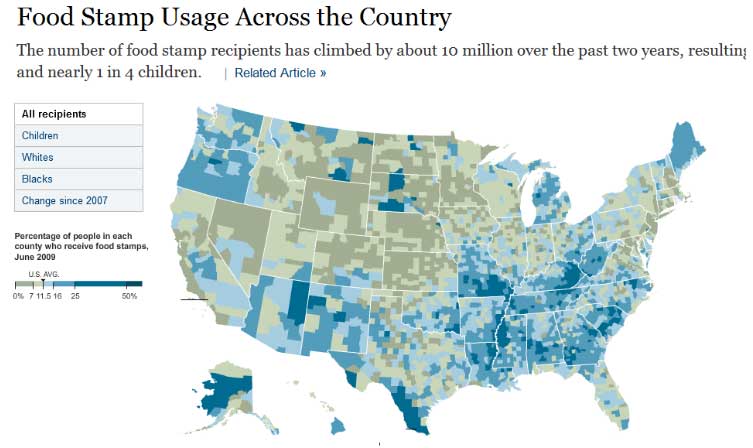
food-stamps-map.jpg


But then...

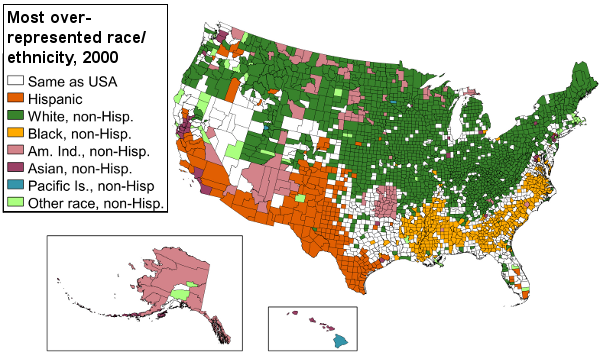
USA_race.png


And we all know blacks & hispanics overwhelming vote democrat.

In other words, yes...the red states are the moochers, but all the money is going to democrat voters.
 
First, to businesses a full repeal of ACA would be beneficial. However the proposed partial ACA repeal will not really impact business health insurance policies. Any business impact would a slight positive. Due to this, businesses pretty much view any current ACA repeal as a "don't care".

Both of your points are speculation and you haven't addressed the point of uncertainty at all, partial or otherwise, the fact that this is all still a uncertainty is a bad like you said. So whether ACA continues or partial repeal happens, businesses are uncertain about how the healthcare market will be next year.
 
Both of your points are speculation and you haven't addressed the point of uncertainty at all, partial or otherwise, the fact that this is all still a uncertainty is a bad like you said. So whether ACA continues or partial repeal happens, businesses are uncertain about how the healthcare market will be next year.

The individual healthcare ACA market does not impact businesses. Businesses are concerned with business healthcare policy costs and benefits. The changes to ACA involving the government not covering consumer payments or making policies mandatory are a "don't care" from a business perspective. Any ACA changes involving either including/not including kids under 26 or pre-existing conditions coverage would have a business impact but it looks like neither of these are changing.
 
Again, are there more Democrats in red states than actual blue states, if not (obviously), how does this math work out???
Look at the income demographics of any red state (or blue state). You will see that the lowest income group is made up of people who vote for democrats.
 
The individual healthcare ACA market does not impact businesses. Businesses are concerned with business healthcare policy costs and benefits. The changes to ACA involving the government not covering consumer payments or making policies mandatory are a "don't care" from a business perspective. Any ACA changes involving either including/not including kids under 26 or pre-existing conditions coverage would have a business impact but it looks like neither of these are changing.

ACA is in effect right now and Trump and his supporters are claiming that the economy is booming, you can't have it both ways, saying ACA negatively impacts business and then point to the economy. That also ignores economy pre ACA which was pretty shit. This is just your bias and selective thinking talking, where's the data.
 
Look at the income demographics of any red state (or blue state). You will see that the lowest income group is made up of people who vote for democrats.

Again, you are not answering the question I asked, the lowest income group people may very well be Democrats (where's the data?) but how is it mathematically possible for MORE lowest income group people in red states than blue states? Are you saying minorities are better off in blue states? Are there more minorities in red states than blue states (how is that possible) .Any which way you argue this point, it will look bad for Republicans.
 
ACA is in effect right now and Trump and his supporters are claiming that the economy is booming, you can't have it both ways, saying ACA negatively impacts business and then point to the economy. That also ignores economy pre ACA which was pretty shit. This is just your bias and selective thinking talking, where's the data.

I made the case that the implementation of ACA hurt businesses by greatly increasing healthcare costs while reducing benefits (in many cases offered to employees).

There were many periods before ACA where the business was booming in the U.S. and most employees of U.S. companies had better healthcare coverage than post ACA.

The discussion here is that deadlock in Washington leads to an improved business environment (which post-2010 has only been going up). The reality is that ACA is just one small component related to business confidence. The inability of Washington to effect change in ACA leads to stability for business which improves the business environment which dislikes uncertainty.
 
I made the case that the implementation of ACA hurt businesses by greatly increasing healthcare costs while reducing benefits (in many cases offered to employees).

There were many periods before ACA where the business was booming in the U.S. and most employees of U.S. companies had better healthcare coverage than post ACA.

The discussion here is that deadlock in Washington leads to an improved business environment (which post-2010 has only been going up). The reality is that ACA is just one small component related to business confidence. The inability of Washington to effect change in ACA leads to stability for business which improves the business environment which dislikes uncertainty.

You made the case without showing any evidence while Trump supporters are saying the economy is doing great while ACA is in effect, not sure who to believe here.
 
Back
Top