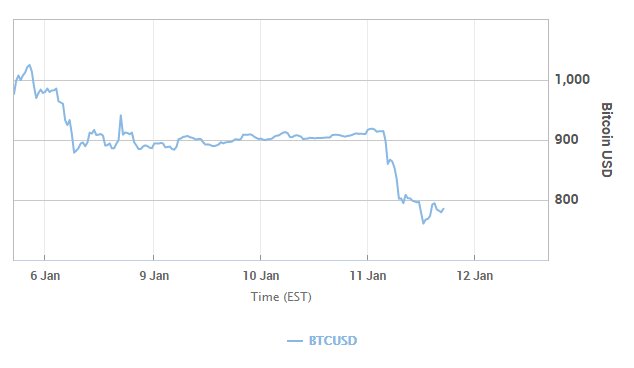
****I just woke up and don't feel the previous post was clear enough.***
The big price differences are because of funding inefficiencies. It is hard in many places in the world to move from state currency to bitcoin. It is also hard or impossible to arbitrage the local price differences. As a result, bitcoin exhibits black market pricing tendencies.
The bitcoin exchanges are frequently not similar to the exchanges one thinks of in traditional markets. Many are more similar to retail stores that buy from wholesalers. Coinbase, for instance, buys btc from Bitstamp and then resells them with a small markup. Due to the US regulations in place, the Coinbase business model is viable versus what would happen in a true unregulated free market where bitcoin would be bought from a true exchange.
There is currently a $2+ spread in the price of btc between Coinbase and Gemini. Both are reliable and established domestic vendors. The spread has zero to do with the risk of either company "absconding." The spread, which will probably be greater in a day or a week from now, is far greater than the actual risk of loss. Good luck on the arbitrage.
One of the great aspects of BTC is limited counterparty risk. Buying at an exchange and then moving the coins to a secure wallet and controlling the private keys reduces risk of loss to only the point of purchase. This is much less risk than trading at a traditional market exchange like, I would imagine, a forex broker. There, one worries about the broker running off with the funds. One might also worry about the entire financial system collapsing if one is so inclined. Bitcoin counterparty risk can be reduced further by buying directly from another btc seller.


 MarketWatch @MarketWatch