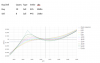
a typical scenario is the expectation of an extreme move that elevates short maturities above longer ones. You want to open a calendar with strikes in the direction of the move, e.g stock is at 100$, you expect a move to 80$ so you buy the 80$ calendar.Man, that's a whole semester's worth of education on calendars - helped clarify several things I was fuzzy on. Thank you, MrMuppet!
However: guilty as charged on typical retail behavior (with, of course, the expected results.) So, what would you consider a reasonable setup/market state for opening a calendar trade? I'm trying to picture a situation in which you have relatively high front month theta and cheap back month gamma, and getting a confusing image of high IV in the front with little to no movement, and way out tenors in the back.
Typically skew is also high to the side of the expected move. When the move comes, your front month rolls down skew and IV deflates while the backmonth also loses IV but is slower.
You want to ratio your calendars, usually you're selling less front month options than back month options in a way so that your theta is zero but you get a lot of gamma.
The sweet spot is usually when your weighted vega is zero, your theta is zero and you get a lot of gamma basically for free...and then the market nukes
Long calendars are really tricky

Last edited: