Are We Truly Aware of the Potential of Algorithmic Trading?

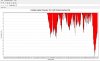
What drawdown percent will you tolerate before deactivating the system?
We calculate it with Montecarlo, and Chi square test

Normally systems with strong premises resist the passage of time. We advise calculating the size of the portfolio of all DDs added and multiplied x 4
 
Ok Captain obvious, and do you have that order flow at hand. Are you a market maker?
No. I am just a retail trader. But I know a guy who knows a guy, who's uncle's college roommate works at Citadel. I drew up my some of my own conclusions too.

They keep commission costs low. I don't have a problem with any of it.
 
Last edited:
We calculate it with Montecarlo, and Chi square test

Normally systems with strong premises resist the passage of time. We advise calculating the size of the portfolio of all DDs added and multiplied x 4
So what is the drawdown percent for the strategies you posted?
 
Those are names.

I asked which "market/instruments"?

As in exchanges and symbols. CME & NQU23 perhaps?

When I see someone say SP500 I'm thinking they are talking about those shifty CFD'S Europeans are fond of, or all they can get their hands on to trade. Yes?
NQ, ES, HG, BTC, TY, Futures.
GC CL
 

Attachments

  • 7D1BDC5C-56B5-474B-AB45-48BE7CAEAE12.jpeg
    7D1BDC5C-56B5-474B-AB45-48BE7CAEAE12.jpeg
    136.3 KB · Views: 39
Risk Management and Emotional Discipline:
Emotions can often cloud judgment, leading to impulsive decisions and increased risk exposure. Algorithmic trading eliminates these emotional barriers, executing trades based solely on data and logic. As a result, the potential for human error is significantly reduced, paving the way for consistent and disciplined risk management.

Believe it or not, algorithmic trading doesn't do that... Your faith and belief in the system create emotional discipline. As soon as the results of your algorithmic are not in line with your expectation, your thoughts and feelings will rush in and you will second guess it, if you do not have the emotional discipline to begin with. Algorithmic trading is nothing new. It has been done since the '60 with punch cards. The only thing that has changed is that there is more data now to play with. The basis and human interaction stay the same.
 
....As soon as the results of your algorithmic are not in line with your expectation, your thoughts and feelings will rush in and you will second guess it....
If a trader is of the nature to override her algo signals, it defeats the purpose of using one.
Basically algos constantly run and are searching using numerous parameters, too numerous and time consuming for an individual discretionary trader to cope with.
It just seems weird to me you'd operate an algo machine which was data harvesting efficiently and then a trader resorting to ignoring or overriding it as if to say "I'm better".
That sort of mentality, no matter what they do, they'll fail.
 
Believe it or not, algorithmic trading doesn't do that... Your faith and belief in the system create emotional discipline. As soon as the results of your algorithmic are not in line with your expectation, your thoughts and feelings will rush in and you will second guess it, if you do not have the emotional discipline to begin with. Algorithmic trading is nothing new. It has been done since the '60 with punch cards. The only thing that has changed is that there is more data now to play with. The basis and human interaction stay the same.
You make a valid point about the importance of emotional discipline in algorithmic trading. While algorithms handle the execution, our faith in the system can impact how we react to results. It's true that algorithmic trading has been around for a long time, and advancements in technology have provided access to more data. Nevertheless, understanding the human element remains crucial in navigating the complexities of the market.
 
Back
Top