

https://www.bbc.com/news/world-us-canada-66124775

This seems like a poor and ambiguous way to sign a forward contract, though it worked at FTX for awhile.
Farmer fined $61,000 for using thumbs-up emoji
- Published
2 days agoIMAGE SOURCE,GETTY IMAGES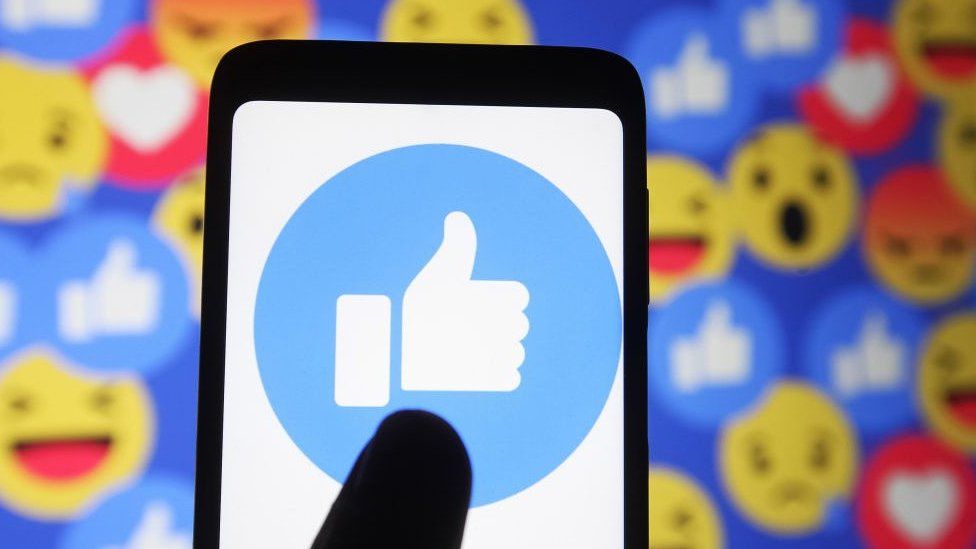
Image caption,
A thumbs-up emoji is used to express assent or approval in modern-day communication
By Nadine Yousif
BBC News, Toronto
You may want to rethink the next thumbs-up emoji you send, as it could be interpreted as a digital signature.
A farmer in Saskatchewan, Canada was fined a hefty sum for using the emoji after he was sent a contract by text message.
Chris Achter argued it was to acknowledge receipt, but a judge ruled it amounted to a contractual agreement.
He must now pay C$82,000 ($61,610; £48,310) for failing to fulfil the contract.
ADVERTISEMENT
The matter came to court after Mr Achter failed to deliver 86 tonnes of flax that grain buyer Kent Mickleborough was looking to purchase in 2021, prompting Mr Mickleborough to take legal action.
Mr Mickleborough said he spoke with Mr Achter on the phone about his potential purchase, saying he was looking to buy the grain in November that year.
He then texted the farmer a draft of a contract, writing "please confirm flax contract".
Mr Achter responded with a "thumbs-up" emoji, but did not deliver the flax by the date specified.
Mr Mickleborough said that he had a long-standing business relationship with Mr Achter, and that the farmer had agreed to contracts via text message in the past, prompting him to believe the emoji had sealed the deal.
But according to his sworn affidavit, Mr Achter said the thumbs-up emoji "simply confirmed that I received the flax contract. It was not a confirmation that I agreed with the terms".
In a landmark Court of King's Bench ruling released in June of this year, Justice Timothy Keene sided with Mr Mickleborough.
He leaned on a Dictionary.com definition of the emoji, which states that "it is used to express assent, approval or encouragement in digital communications".
"I am not sure how authoritative that is but this seems to comport with my understanding from my everyday use - even as a latecomer to the world of technology," Justice Keene wrote.
He added that while a signature is the "classic representation" of confirming someone's identity, that does not prevent an individual from using modern-day methods - like emojis - to confirm a contract, and that an emoji can be used as a digital signature.
"This court readily acknowledges that a thumbs-up emoji is a non-traditional means to 'sign' a document," Justice Keene wrote. "But nevertheless under these circumstances this was a valid way to convey the two purposes of a 'signature'", he said - to identify the signatory, which is done using Mr Achter's cell phone number, and to convey acceptance of the contract.
"I agree that this case is novel (at least in Saskatchewan), but nevertheless this Court cannot (nor should it) attempt to stem the tide of technology and common usage," the judge concluded.
This seems like a poor and ambiguous way to sign a forward contract, though it worked at FTX for awhile.


