

Baron
ET Founder
Protein intake isn't the only thing that determines how much muscle and body fat people have. Canadian epidemiologists have discovered that the consumption of choline and betaine plays a significant role as well. According to their research, men and women who consume a relatively large amount of choline have several kilos more muscle mass and less body fat than men and women with little choline in their diet.
Choline and betaine
Choline, once thought to be a B vitamin, is found in egg yolks, meat, fish, shrimps and milk. Choline plays a role in the transport of fatty substances in the body, but is also a building block of cell membranes. In human experiments and animal studies, choline improves body composition.
Betaine, a glycine metabolite, is found in beets, spinach and in a lot of grains. In the body, betaine acts as a methyl donor and helps cells retain water. Small studies indicate that betaine also improves body composition.

Study
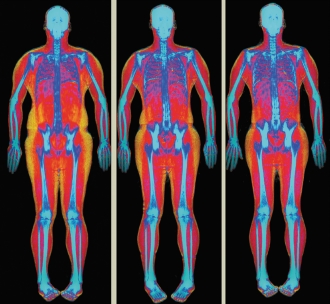
Canadian epidemiologists, affiliated with Memorial University, analyzed data from 3214 residents of Newfoundland. That data had been collected in the Coding study. The researchers not only knew the diet of the study participants, but also had scans with which they could determine the participants' body composition.
Results
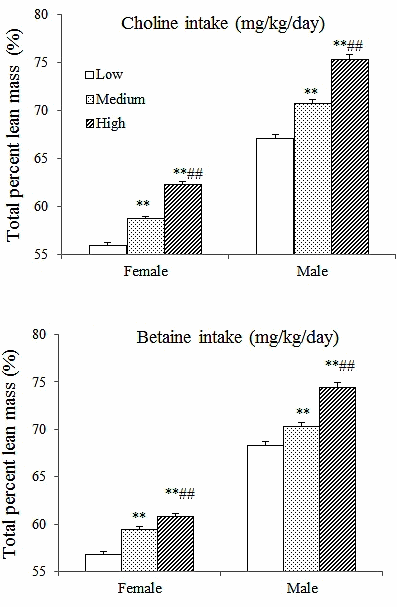
The more choline and betaine the study participants received through their diet, the less body fat they had.

It was exactly the other way around for muscle mass. The more choline and beta were consumed by the participants, the greater was their muscle mass.
Conclusion
"The present study provides solid evidence for the first time, in the large Newfoundland population, that higher dietary choline and betaine intakes were associated with a more favorable body composition (lower body fat and higher lean body mass) in both women and men", the researchers write.
"In addition, this favorable association was independent of age, gender, total calorie intake, physical activity level, menopausal status, smoking status, medication use, and alcohol consumption. The beneficial correlation for choline seems better than betaine."
Source:
PLoS One. 2016 May 11;11(5):e0155403.
Choline and betaine
Choline, once thought to be a B vitamin, is found in egg yolks, meat, fish, shrimps and milk. Choline plays a role in the transport of fatty substances in the body, but is also a building block of cell membranes. In human experiments and animal studies, choline improves body composition.
Betaine, a glycine metabolite, is found in beets, spinach and in a lot of grains. In the body, betaine acts as a methyl donor and helps cells retain water. Small studies indicate that betaine also improves body composition.
Study
Canadian epidemiologists, affiliated with Memorial University, analyzed data from 3214 residents of Newfoundland. That data had been collected in the Coding study. The researchers not only knew the diet of the study participants, but also had scans with which they could determine the participants' body composition.
Results
The more choline and betaine the study participants received through their diet, the less body fat they had.
It was exactly the other way around for muscle mass. The more choline and beta were consumed by the participants, the greater was their muscle mass.
Conclusion
"The present study provides solid evidence for the first time, in the large Newfoundland population, that higher dietary choline and betaine intakes were associated with a more favorable body composition (lower body fat and higher lean body mass) in both women and men", the researchers write.
"In addition, this favorable association was independent of age, gender, total calorie intake, physical activity level, menopausal status, smoking status, medication use, and alcohol consumption. The beneficial correlation for choline seems better than betaine."
Source:
PLoS One. 2016 May 11;11(5):e0155403.
